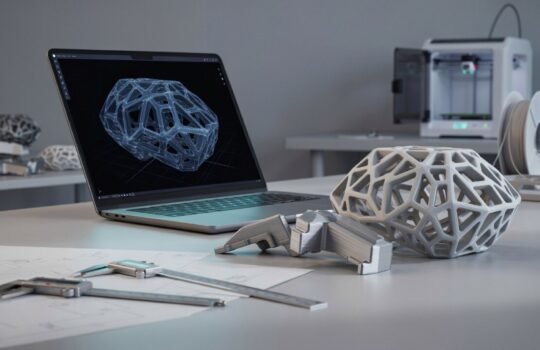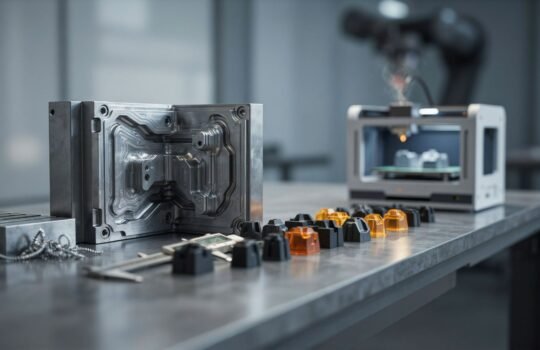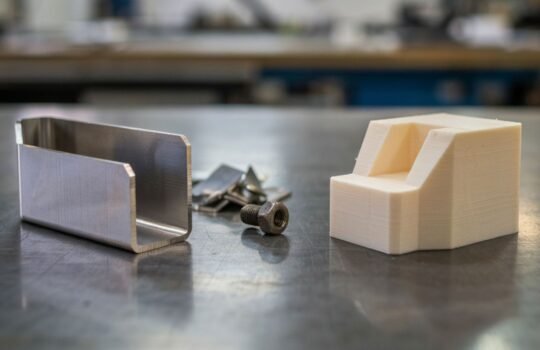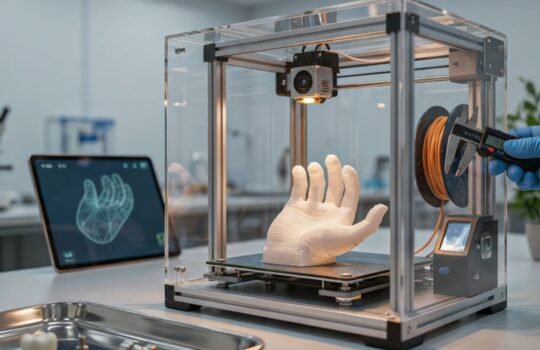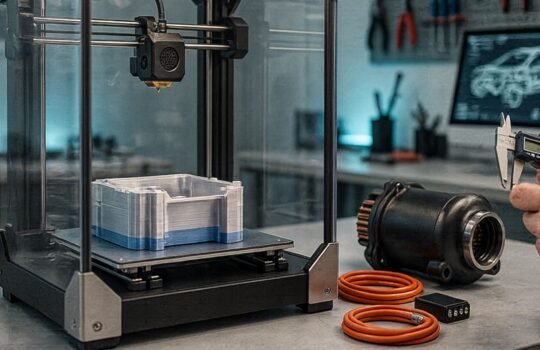
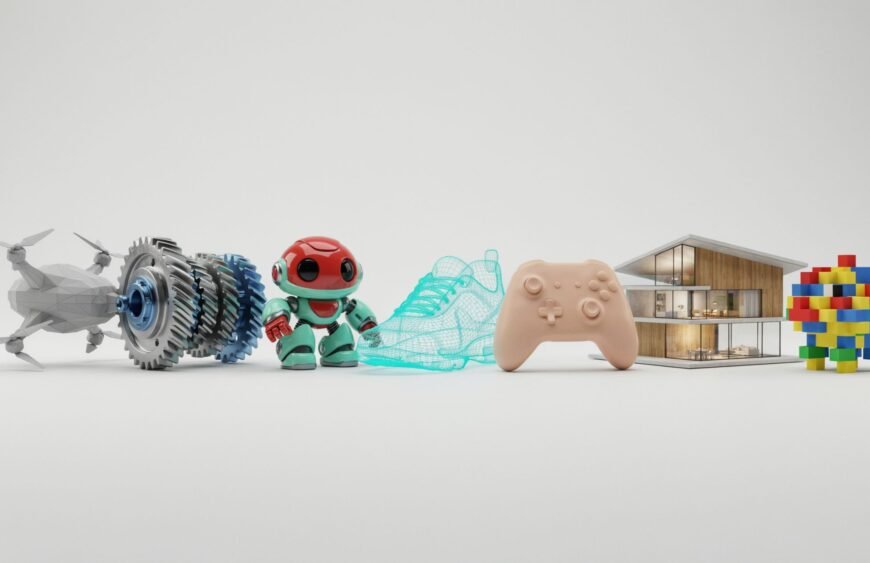
3D Printing Prototypes cover seven main types: automotive, aerospace, robotics and automation, architectural scale models, medical technology, metal, and miniature or display prototypes. Tesseract in Mumbai offers FDM, SLA, SLS, and DMLS printing to produce them.
Whether you are testing a concept or preparing for production, a physical prototype helps you review, refine, and make decisions faster.
Why Use 3D Printing for Prototyping?
Tesseract describes itself as a product development partner, covering design, prototyping and manufacturing. Most projects are completed within 2-7 days, and expedited services are available for urgent deadlines. Quotes start from an uploaded design file, which makes early physical reviews practical.
What Are the 7 Types of Prototypes You Can Make with 3D Printing?
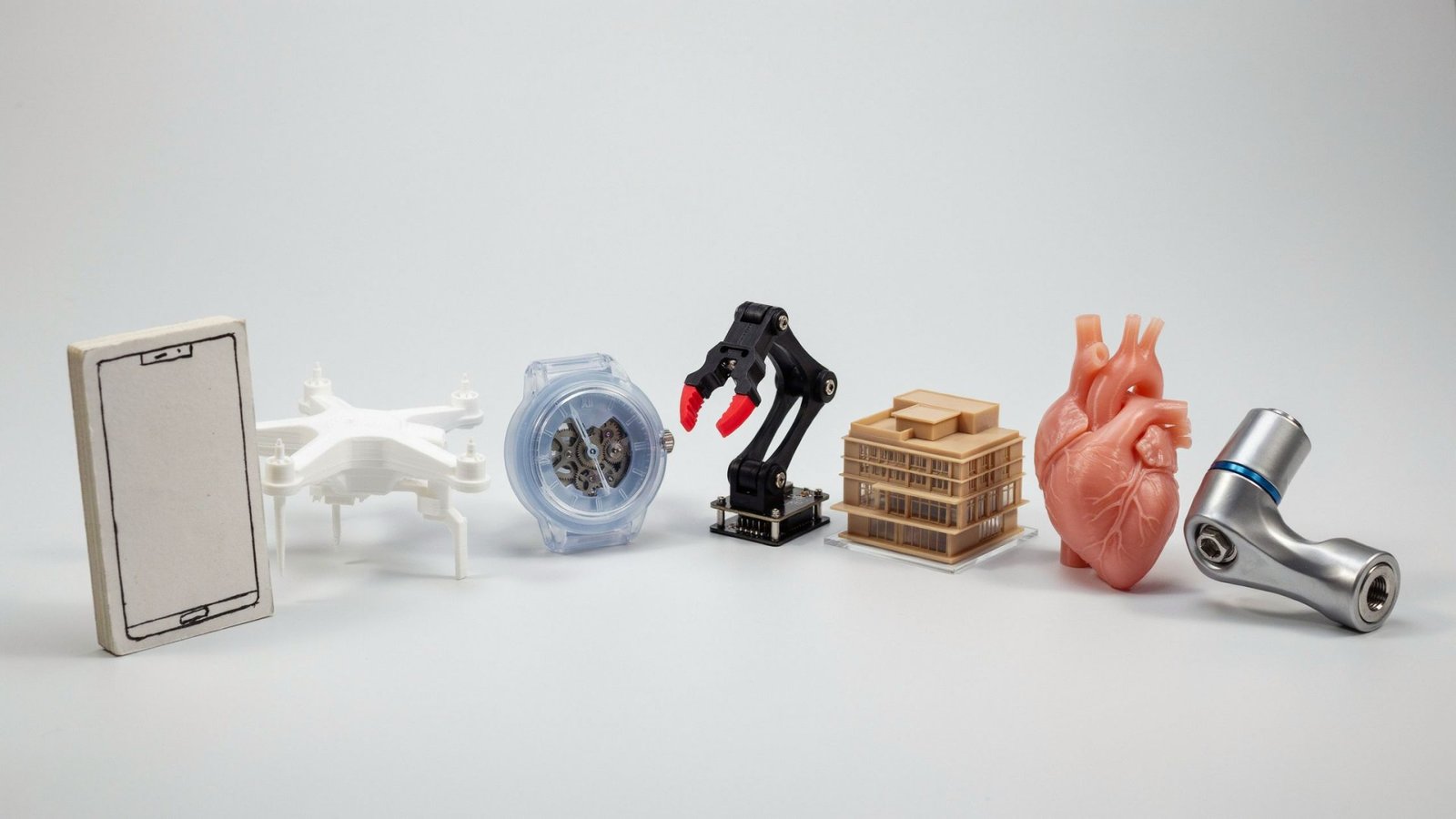
1. Automotive Prototypes
Automotive is one of the industries Tesseract serves, and automotive prototypes feature in its work. Printed parts let teams check a design physically before moving ahead. See Tesseract’s automotive 3D printing solutions.
2. Aerospace Prototypes
Tesseract’s portfolio includes a jet engine prototype, and aerospace is a listed industry. Complex concepts can be turned into physical models for review. Learn more about aerospace prototyping.
3. Robotics and Automation Prototypes
Robotics and automation prototypes are another showcased category. Printing lets engineers test mechanical ideas and iterate on designs. Explore robotics and automation prototypes.
4. Architectural Scale Models
Architectural scale models appear among Tesseract’s featured work. A printed model gives clients and stakeholders something tangible to review. See architecture model services.
5. Medical Technology Prototypes
Tesseract lists specialized solutions including biocompatible medical devices and functional prototypes. Medical technology is one of the industries it serves. Visit the medical technology page.
6. Metal Prototypes
Metal 3D Printing is part of Tesseract’s showcased work, and Direct Metal Laser Sintering is one of its listed processes. This route suits prototypes that need to be made in metal. Read about DMLS 3D printing.
7. Miniatures and Display Prototypes
Tesseract has delivered several display-style projects. For Fevicol Pidilite, it created a miniature in 7 days with no 3D files supplied. FDM built the base, SLA captured fine facial details, and hand-painting finished it. It also delivered 1,000 trophies in 15 days and 300 ship miniatures in 6 days.
Which 3D Printing Process Should You Choose for a Prototype?
Tesseract offers FDM, SLA, SLS, DMLS, DLP, PolyJet and MultiJet Printing (MJP). Material also matters. Its store lists PLA, ABS, PETG, TPU and engineering filaments, plus standard and ABS-like resins. Review the materials Tesseract offers, and use the team’s DFM consulting to match process to purpose.
What Happens After the Prototype Is Approved?
3D printing prototypes is one step in a longer product development journey. Tesseract also provides 3D scanning, reverse engineering and post-processing. For production, it offers CNC machining, vacuum casting and injection moulding, helping you scale without switching vendors.
Conclusion
From automotive parts to metal components and detailed miniatures, 3D printing covers a wide range of prototype needs. Ready to build yours? Upload your design for an instant quote, or contact the Tesseract team to discuss your project.
Frequently Asked Questions
What is a 3D printed prototype?
A 3D printed prototype is a physical model made directly from a digital design. It lets you review, test, and refine a product before manufacturing. Tesseract supports this with design, printing and finishing services for many industries.
Which 3D printing technologies does Tesseract offer?
Tesseract offers FDM, SLA, SLS, DMLS, PolyJet and DLP 3D printing, with 100+ machines across its Mumbai and Boisar facilities. It also lists MultiJet Printing, ceramic stereolithography, and PµSL among its services.
How long does 3D printing a prototype take?
3D printing prototypes at Tesseract typically takes 2–7 days, depending on the project’s complexity and technology used. Expedited services are available for urgent deadlines, with delivery across India.
Can Tesseract create a prototype without a 3D file?
Yes. Tesseract offers 3D CAD modelling, reverse engineering and 2D to 3D conversion for 3D printing prototypes. It once delivered a miniature in 7 days without any 3D files, working from the client’s references. Its product design service supports projects from concept to prototype.
Which industries does Tesseract serve?
Tesseract serves automotive, aerospace, medical, defence, jewellery, robotics, architecture, consumer products, model making and toys. Its specialized solutions include biocompatible medical devices, functional prototypes and custom manufacturing.