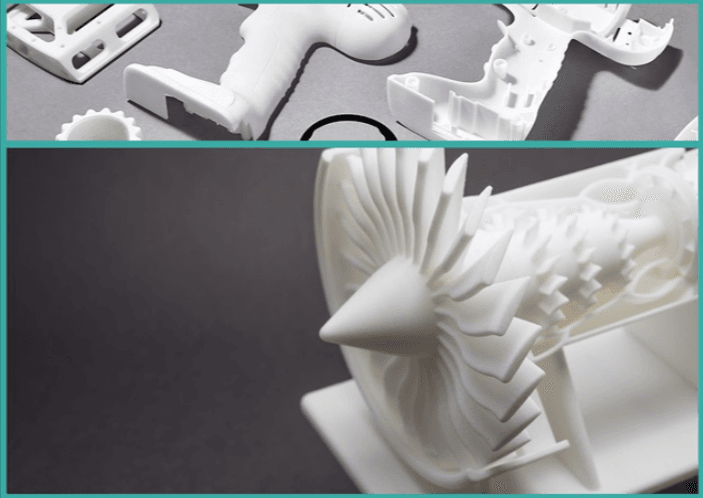
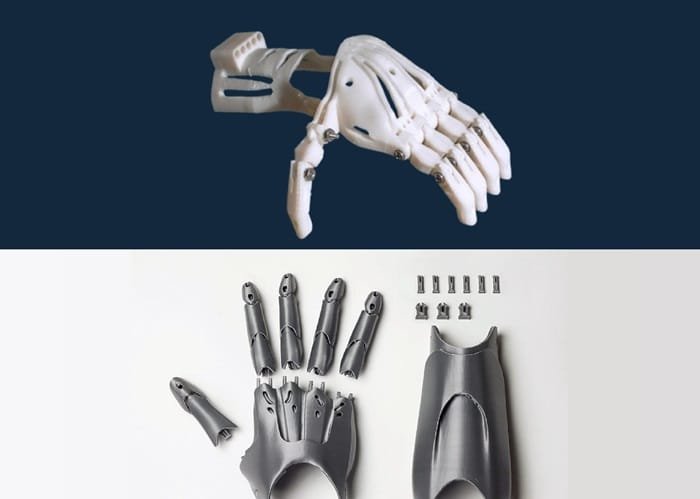
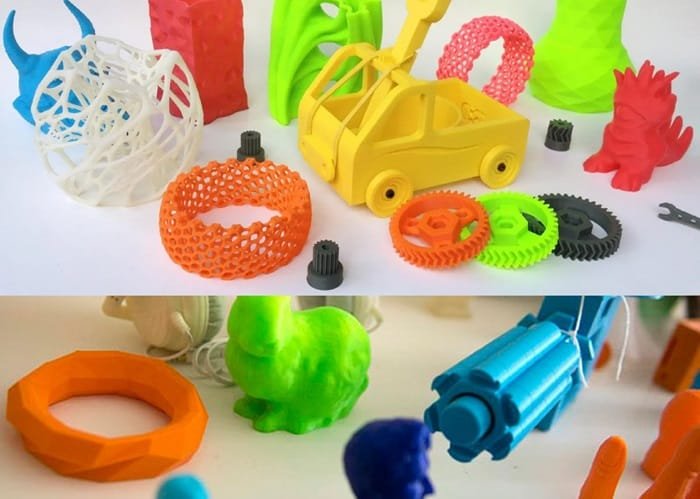
Selective Laser Sintering (SLS) is an industrial 3D printing process that uses a laser to sinter polymer powder, layer by layer, into solid parts. A member of the Powder Bed Fusion family, it produces strong, functional components straight from CAD designs. Our SLS 3D printing services in Mumbai are a preferred choice for both prototyping and end-use part manufacturing.
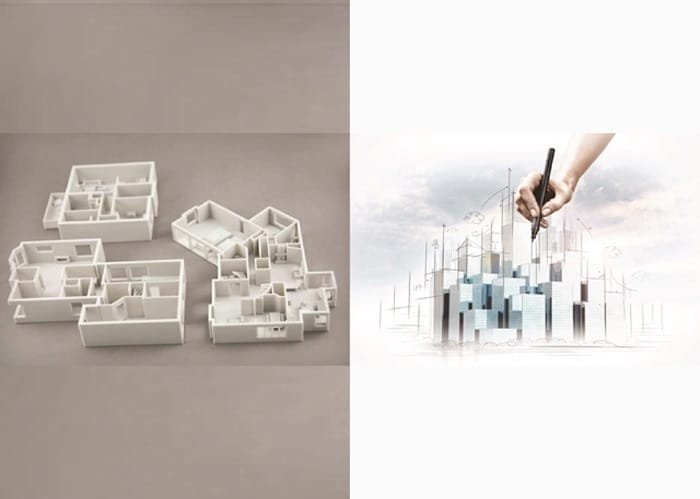
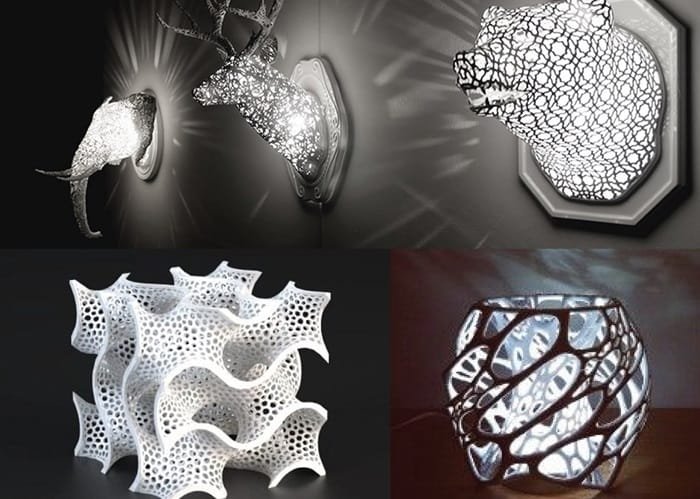
Because the surrounding unfused powder holds each part in place during the build, SLS needs no support structures. That gives designers the freedom to create intricate geometries, interlocking features and complex shapes that would be difficult with other 3D printing methods.
Benefits of SLS 3D Printing
Support-Free Printing: No additional supports, even for complex prints.
Minimal Post Processing: No support removal, saving time on sanding and finishing.
Versatile Geometries: From simple shapes to highly complex structures, including snap fits, living hinges and interlocking parts.
Customisation: Processes adjusted to suit tailored prototypes and small batch production.
Functional Prototypes: Strong, durable parts that withstand rigorous testing and real-world conditions.
Impact Resistance: Robust mechanical properties for demanding environments and stresses.
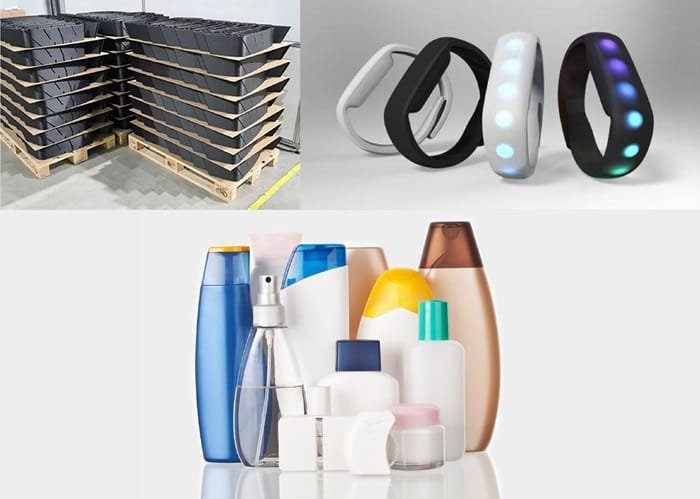
Low Volume Production: Cost-effective small quantities, without the high costs and long lead times of traditional manufacturing.
SLS Capabilities at a Glance
Specification | Details |
Technology | Selective Laser Sintering (powder bed fusion) |
Materials | Nylon PA12, PA11, TPU, glass-filled, carbon-filled and aluminium-filled nylon |
Support structures | Not required |
Turnaround | Most 3D printing projects in 2 to 7 days, with expedited options |
File formats | STL, STEP, STP, IGES, OBJ, PNG, JPEG (up to 25 MB) |
Delivery | Across India |
How Selective Laser Sintering Works
Pre-heating: The build chamber is loaded with fine thermoplastic powder, typically Nylon PA12 or PA11, and preheated to just below the material’s melting point.
Layering: A thin, even layer of powder is spread across the build platform.
Sintering: A high-powered CO₂ laser scans the cross-section from the CAD file, selectively fusing the powder particles.
Repeating: The platform lowers, a new layer of powder is spread, and the process repeats until the part is complete. Unfused powder supports the part throughout, so no support structures are needed.
SLS Materials
SLS works with nylon and other polymer powders, each suited to different functional needs:
Nylon PA12: The industry standard for strong, functional parts.
Nylon PA11: More flexible and impact-resistant, ideal for living hinges and snap fits.
TPU: Flexible, rubber-like end-use parts.
Glass-Filled Nylon: Enhanced stiffness for structural applications.
Carbon-Filled Nylon: Electrically dissipative, used in electronics enclosures.
DuraForm ProX AF+: High-stiffness, aluminium-filled Nylon 12 with a metallic appearance.
CastForm PS: A styrene-based, expendable pattern material for metal casting.
Other grades on offer include DuraForm ProX PA, DuraForm ProX EX BLK and DuraForm ProX HST Composite.
Where SLS Parts Are Used
SLS parts built from PA12 nylon meet the mechanical, chemical and thermal requirements of a wide range of applications:
Functional Prototypes: Strong parts for testing and validation, including snap fits, living hinges and interlocking assemblies.
Manufacturing Aids: Industrial jigs and fixtures for assembly lines.
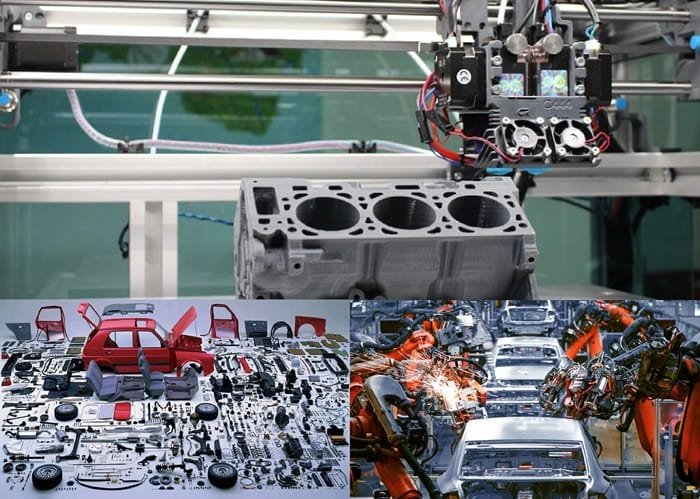
End-Use Parts: Automotive brackets, medical device housings, aerospace components and low-volume production parts.
See how nylon parts perform in practice in our guide to nylon 3D printing for automotive and industrial parts.
SLS vs DMLS: Plastic or Metal?
Both processes belong to the powder bed fusion family, but they serve different needs.
Factor | SLS | DMLS |
Material | Polymer powders: nylon, TPU, composites | Metal powders: stainless steel, titanium, aluminium, Inconel |
Laser intensity | Lower, to sinter polymers | Much higher, to fuse metal |
Typical parts | Functional, lightweight plastic parts | Fully dense metal components |
If your part needs metal strength, explore DMLS metal 3D printing. For a deeper look at the process, read our complete guide to SLS 3D printing.
Post Processing Offerings
SLS parts can be finished in-house to meet final appearance requirements. Options include painting, buffing and polishing, hydro-dipping, hydro-chroming and laser engraving.
Why Choose Tesseract for SLS 3D Printing Services
With over a decade of experience in 3D printing and design, Tesseract runs 100+ machines across its Mumbai and Boisar facilities, covering FDM, SLA, SLS, DMLS, PolyJet and DLP. Founded in 2016, the company operates from a head office in Prabhadevi and a 5,000+ sq. ft. factory in Boisar.
Precision and Reliability: Every project receives the same high level of attention, regardless of complexity or scale.
The Right Process for Every Part: Polymer SLS and metal DMLS under one roof, so the team can recommend the best fit.
Design to Finished Part: 3D product design, printing and post-processing in one place.
Start From an Existing Part: 3D scanning captures a physical object’s geometry, which can be refined in CAD and printed in SLS.
Fast Turnaround: Most 3D printing projects are completed within 2 to 7 days, with expedited options for urgent deadlines.
Delivery Across India: Projects are shipped across India from the Mumbai and Boisar facilities.
Closing CTA: Ready to print strong, functional nylon parts? Upload your design (STL, STEP, STP, IGES, OBJ, PNG or JPEG, up to 25 MB) for an instant quote, call +91 81698 12438 or email contact@tesseract3d.com.