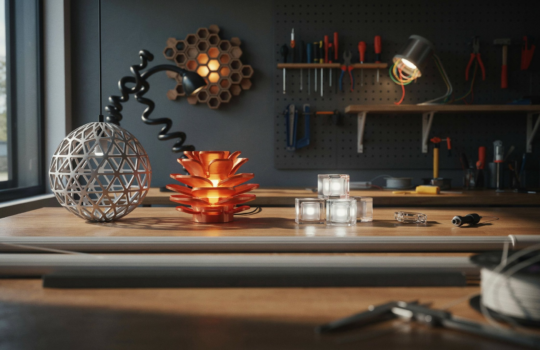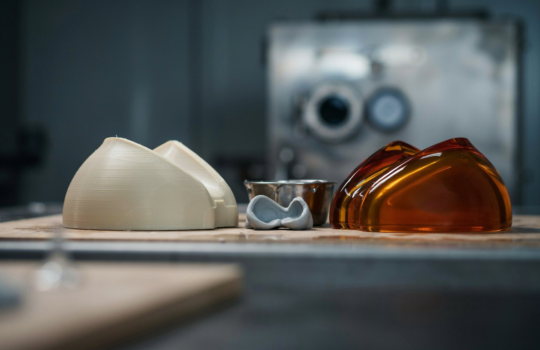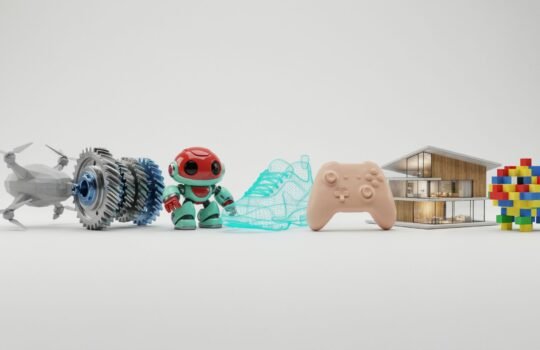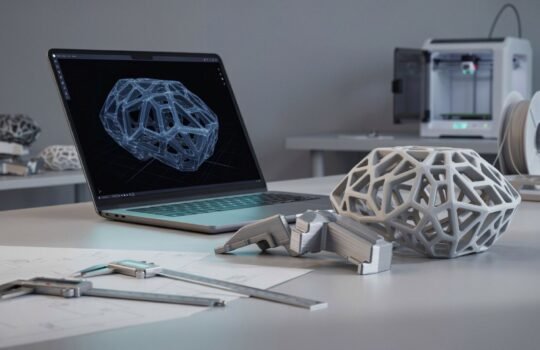
A good manufacturing partner for product development combines design support, rapid prototyping, and production capability under one roof. They give early DFM feedback, offer multiple processes, quote quickly, deliver on time, and communicate clearly. This lets you move from idea to finished part without switching vendors or losing time between stages.
Why Does Your Choice of Manufacturing Partner Matter?
Product development rarely follows a straight line. Designs change after the first prototype, materials get swapped, and deadlines move.
When design, prototyping, and manufacturing sit with different vendors, every handover adds delay and the risk of miscommunication. A product development partner who covers the whole journey keeps feedback loops short and decisions faster.
What Should You Look For in a Product Development Partner?
1. Do they offer end-to-end capability?
Look for a partner that handles product designing, 3D scanning and reverse engineering, prototyping, manufacturing, and post-processing. Tesseract, for example, describes a seamless journey from concept to creation, with an in-house design team, a prototyping facility, and a manufacturing setup.
2. Do they provide DFM consulting?
Design for manufacturing (DFM) means shaping a design so it can be made reliably. A partner who flags problems before production saves you rework later. Tesseract lists DFM problem solving and consulting as one of its core strengths.
3. Do they have the right range of processes?
Your product may need different methods at different stages. A flexible manufacturing partner should cover several options, such as:
- 3D printing (FDM, SLA, SLS, DMLS, DLP, PolyJet, and more)
- CNC machining
- Vacuum casting
- Sheet metal fabrication
- Metal casting and compression moulding
Having these under one roof makes it easier to move from rapid prototyping to custom manufacturing.
4. Can they quote and deliver quickly?
Speed matters when you are testing ideas. Look for fast quotes and clear timelines. Tesseract offers instant quotes on uploaded designs and states that most 3D printing projects finish within 2–7 days, with expedited service for urgent deadlines.
5. Is quality consistent?
Ask about finishing as well as printing or machining. Post processing, such as sanding and surface finishing, often decides whether a part looks and works like a final product. Tesseract lists high-quality work among its core strengths.
6. Do they understand your industry?
Requirements differ between a medical device, an automotive component, and an architectural model. Check whether the partner has served industries like yours. Tesseract works across aerospace, automotive, medical technology, defence, robotics, electronics, consumer products, architecture, toys, and more.
7. Are they easy to work with?
Good communication means quick replies, clear file requirements, and honest advice. Tesseract accepts STL, STEP, IGES, and OBJ files, and also shares contact details, a WhatsApp line, and a Mumbai headquarters you can reach.
How Does Tesseract Approach Product Development?
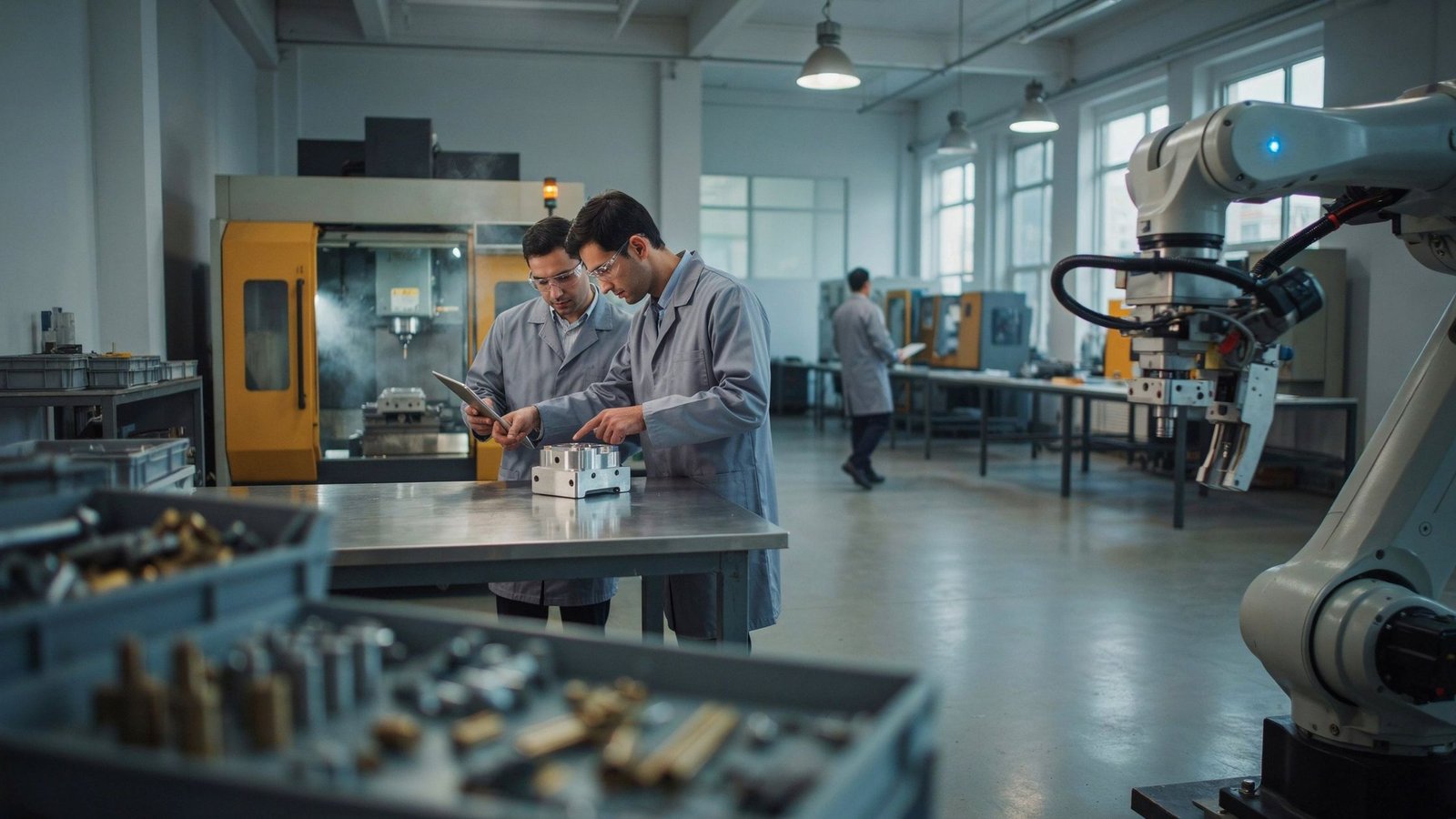
Tesseract positions itself as a product development partner rather than just a printing vendor. Its headquarters is in Prabhadevi, Mumbai, and its 3D printing factory is in Boisar. The company states that it runs 100+ machines from a 5,000+ sq. ft. facility.
It also shows what speed looks like in practice. For a VIP trophy project, the team took a concept through design exploration, CAD modelling and precision manufacturing, and delivered it in 7 days. Brands such as Marico, Atomberg and BARC appear among its trusted clients.
What Questions Should You Ask Before You Choose?
- Can you support design and manufacturing together?
- Will you review my design for manufacturability?
- Which processes and materials can you offer?
- What is the typical turnaround for a prototype?
- How do you handle finishing and quality checks?
- Have you worked in my industry?
Conclusion
The best manufacturing partner for product development brings together design, prototyping, DFM guidance, process variety, speed and clear communication. Match these traits against your own project before you commit.
Ready to move your idea forward? Share your design and requirements with the Tesseract team for a quote.
Frequently Asked Questions
1. What is a manufacturing partner in product development?
A manufacturing partner supports your product from concept to finished part. This can include design, prototyping, production and finishing. Instead of only fulfilling orders, they advise on materials, processes and manufacturability, helping you reduce delays between development stages.
2. Why is DFM important when choosing a manufacturing partner?
DFM ensures your design can be produced reliably. A partner who reviews your design early can spot issues before production begins. This helps you avoid redesigns, wasted time and unexpected problems when you move from prototype to manufacturing.
3. How fast can a prototype be made?
Speed depends on complexity and technology. Tesseract states that most 3D printing projects are completed within 2–7 days, and expedited services are available for urgent deadlines, with delivery across India.
4. Which manufacturing processes should a partner offer?
Look for a mix that matches your product stage. Tesseract offers 3D printing, CNC machining, vacuum casting, injection moulding, sheet metal fabrication, metal casting, compression moulding, electronics (PCB designing) and post processing, so one partner can support several stages.
5. Can a manufacturing partner help if I only have a sketch?
Yes, if they offer design services. Tesseract provides 3D CAD modelling, reverse engineering, 2D to 3D conversion, and custom design solutions, turning sketches and concepts into production-ready 3D models.