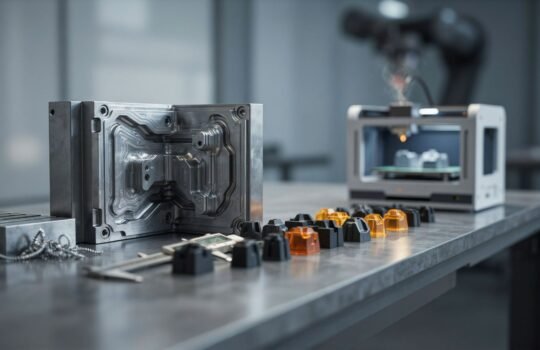
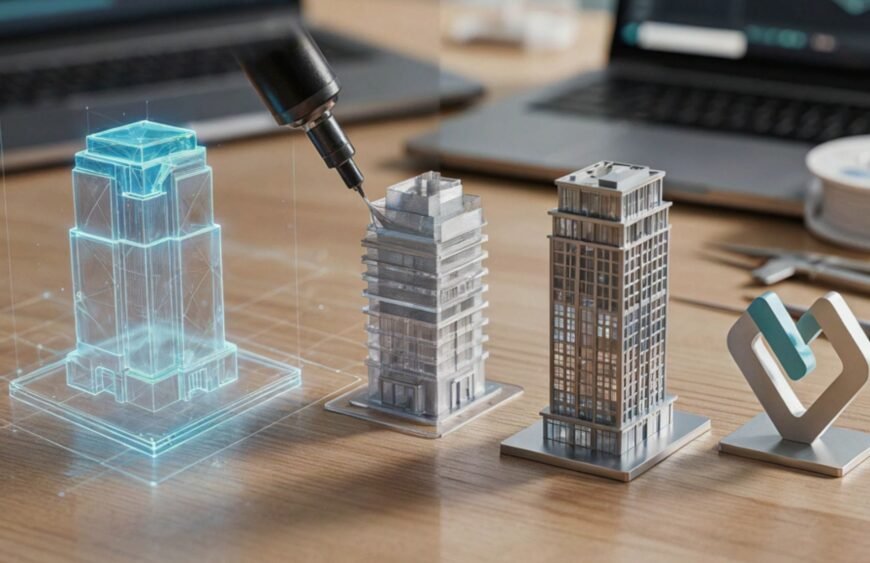
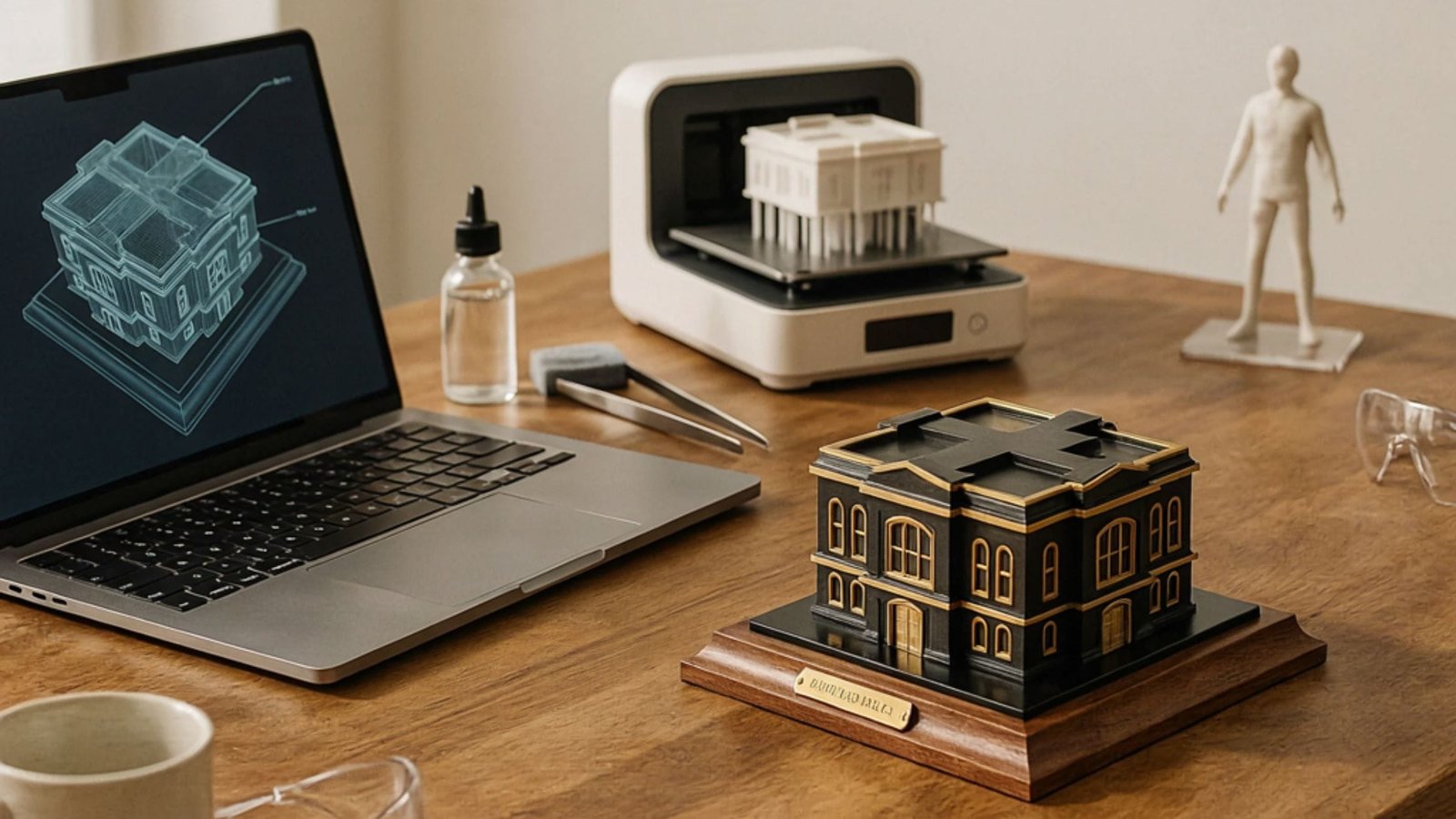
Custom 3D-printed miniatures are made by turning a reference photo or CAD file into a 3D digital model, printing it layer by layer, and then hand-finishing the piece before it reaches the recipient. The process moves through design, printing, post-processing, quality checks, and packaging, and it is what turns a flat idea into a physical keepsake that a company can hand to an employee, client, or partner.
Corporate gifting has moved past pens and diaries. Businesses now want something that reflects the person receiving it or the brand giving it, and a miniature figurine, a scaled product replica, or a personalised desk piece does that in a way a generic gift box cannot. Here is what actually happens between the first idea and the finished gift, broken down step by step.
What Counts as a Custom 3D Printed Miniature
- Small scale and highly detailed. Produced using additive manufacturing rather than moulding or carving.
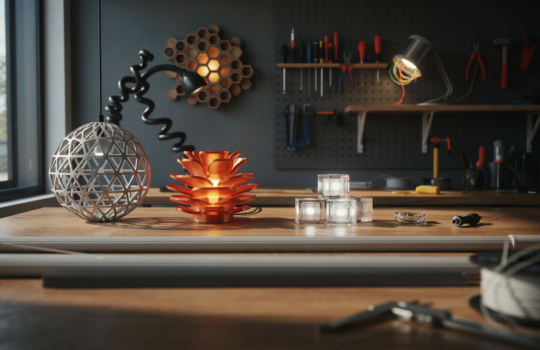
- Overlaps with existing art and design work. This sits close to what 3D printing is already used for in sculpture and personalised keepsake work: intricate sculptures and busts, mementos with sentimental value, and even moulds used to replicate a design.
- Applies to people, products, or moments. A miniature made as a corporate gift is the same idea applied to a person, a product, or a brand moment, sized down to something that fits on a desk.
The Process: From CAD File to Finished Gift
- Reference input. The process can start with a CAD file the client already has, or with a reference photograph and approximate dimensions if no CAD file exists. A clear reference photo and rough measurements are often enough for a design team to evaluate the piece and provide an initial project quote before any detailed CAD file is built, whether the project is a scale model, prototype, custom product, or miniature.
- Design evaluation. The design and engineering team reviews the reference against the manufacturing process, materials, finishing, and production requirements, so the client gets a realistic estimate before committing to detailed CAD work. This evaluation step is the same regardless of what the final piece is used for, from a functional prototype to a gifting piece.
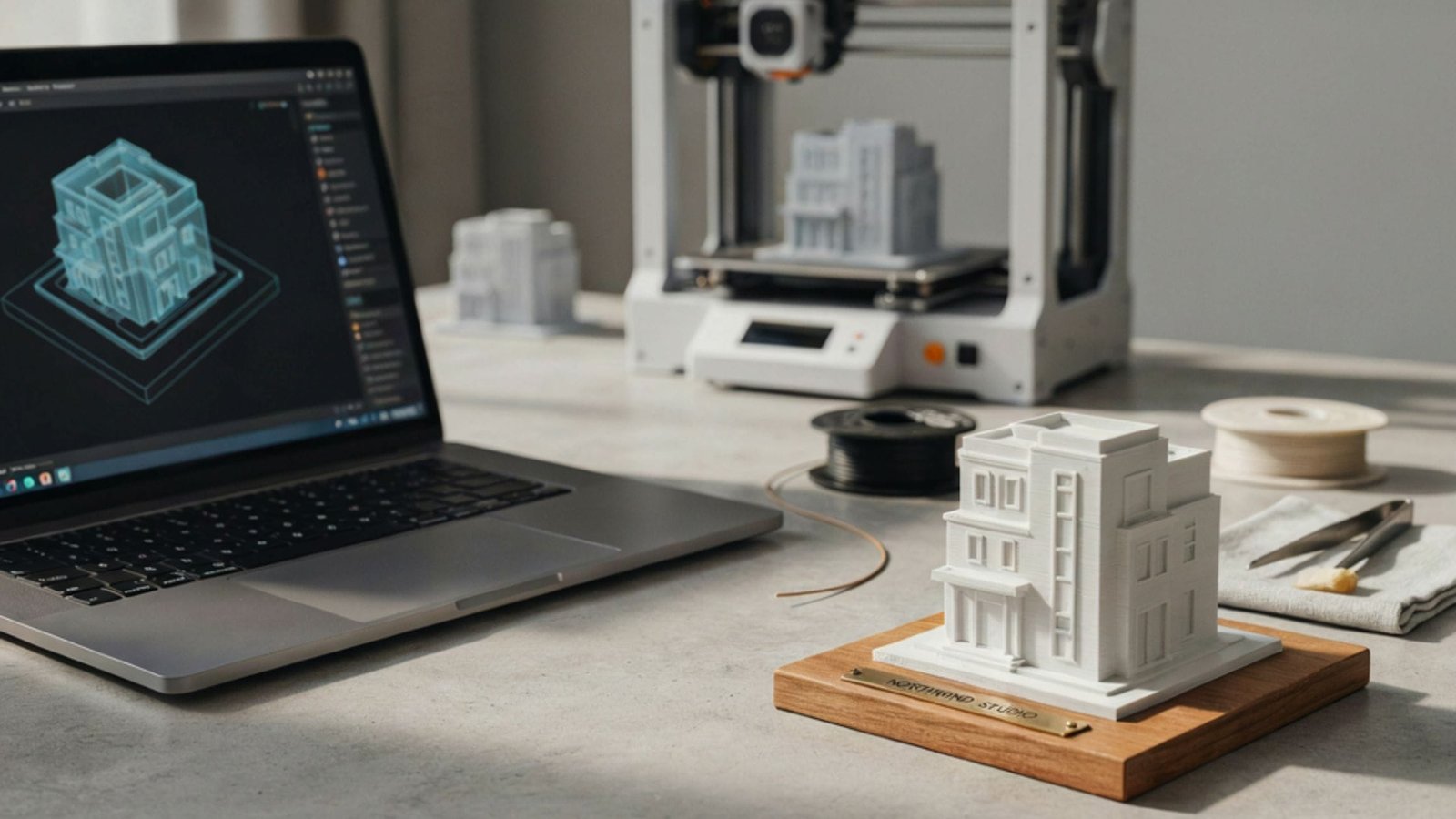
- 3D printing. Tesseract prints using FDM, SLA, SLS, DMLS, DLP, and PolyJet, run across 100+ machines split between the Mumbai and Boisar facilities. Which of these gets used depends on the size, detail, and finish the specific piece needs.
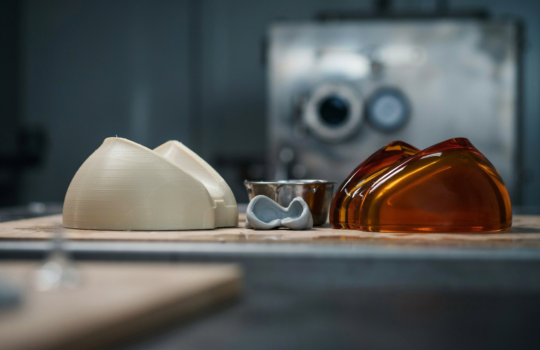
- Post-processing. A freshly printed piece is rarely gift-ready straight off the printer. Post-processing offerings include anodising, electroplating, electropolishing, hydro-dipping, hydro-chroming, painting, powder coating, laser engraving, and buffing or polishing, applied depending on the look the piece needs.
- Quality check. Each piece is checked before it moves to packaging, and for larger corporate orders, this also means confirming consistency across every unit in the batch.
- Delivery. Most 3D printing projects are completed within 2 to 7 days, with expedited options available for urgent deadlines, and delivery is offered across India from the company’s 5,000+ sq. ft. Mumbai facility.
Why Miniatures Work as Corporate Gifts
- Personal beats generic. A miniature that resembles the recipient, replicates a product the company makes, or recreates a moment signals that thought went into the gift, and it tends to end up on a desk rather than in a drawer.
- No tooling cost. Because 3D printing does not require tooling the way injection moulding does, the same reference-to-print workflow used for a single custom piece can be repeated for a batch of personalised units, without the upfront cost of a mould.
- Small runs are practical. This makes it viable for a business to order a small batch rather than committing to a large, uniform run upfront.
Where This Fits Within Tesseract Work
- Closest existing category: Art & Design work, which covers sculptures and busts, mementos, and personalised keepsakes.
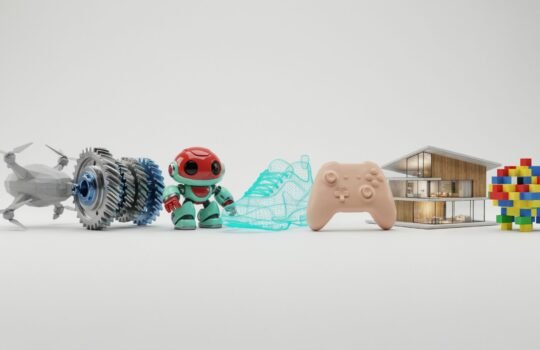
- Broader industries served: aerospace, architecture, automotive, cinema and entertainment, consumer products, defence, electronics, fashion and jewellery, medical technology, robotics and automation, and toys.
- One pipeline, not a separate vendor: the same design, printing, and post-processing team that builds a functional prototype for one client can build a personalised desk piece for another, through the same workflow.
The Manufacturing Backbone Behind the Finish
- Printing capability: FDM, SLA, SLS, DMLS, DLP, PolyJet, ceramic stereolithography, PµSL, and MultiJet Printing (MJP).
- Adjacent manufacturing services: CNC machining, vacuum casting, injection moulding, sheet metal fabrication, metal casting, compression moulding, and electronics or PCB work for pieces that need it.
- What decides the finish: for most miniature and gifting projects, it is the combination of a suitable 3D printing process with the in-house post-processing menu, painting, buffing, polishing, and specialised coatings, that decides how finished the end piece looks.
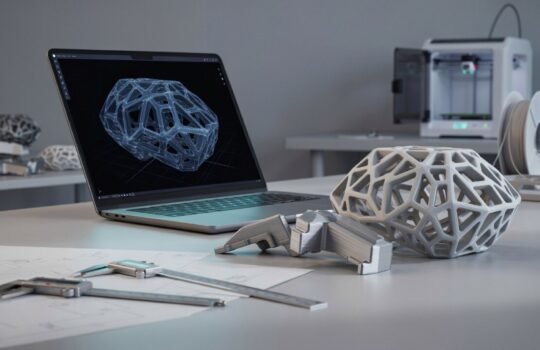
- Design support: 3D CAD modelling, reverse engineering, and 2D to 3D conversion are offered as standalone services, supporting projects that start from nothing more than a photo, a sketch, or an existing physical object.
Turning an Idea Into Something You Can Hand Someone
The distance between a CAD file and a finished corporate gift comes down to a few practical steps: getting the reference right, running it through the right printing process, and finishing it by hand so it looks intentional rather than raw.
Tesseract handles that full path from its Mumbai and Boisar facilities, with 3D printing, design, and post-processing under one roof, so a miniature project can move from a reference photo to a finished, packaged gift without switching vendors partway through.
For a business weighing this against a generic corporate gift order, the practical difference is that every unit still traces back to an individual reference, even when the batch runs into dozens of pieces.
Frequently Asked Questions
Do I need a CAD file to get a custom 3D printed miniature made?
No. A reference photo and approximate dimensions are often enough for the team to evaluate the design and give an initial project estimate.
What 3D printing technologies are used for a project like this?
FDM, SLA, SLS, DMLS, DLP, and PolyJet printing, along with ceramic stereolithography, PµSL, and MJP, are used across 100+ machines in Mumbai and Boisar.
How long does a 3D printing project usually take?
Most projects are completed within 2 to 7 days depending on complexity and technology, with expedited options available for urgent deadlines.
Can 3D printed miniatures be produced in bulk for employee or client gifting?
Yes, since 3D printing does not require tooling, the same design and production workflow used for one custom piece can be scaled to a batch of personalised units.
What finishing options are available to make a printed piece gift-ready?
Painting, buffing and polishing, hydro-dipping, hydro-chroming, laser engraving, anodising, electroplating, and powder coating.