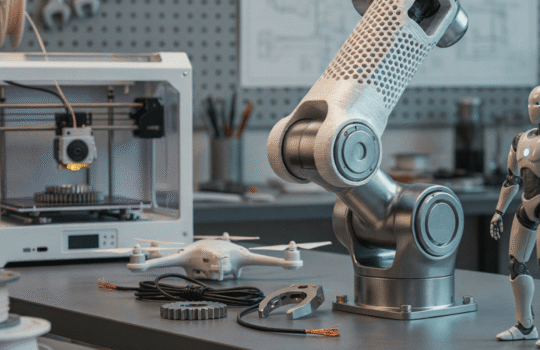
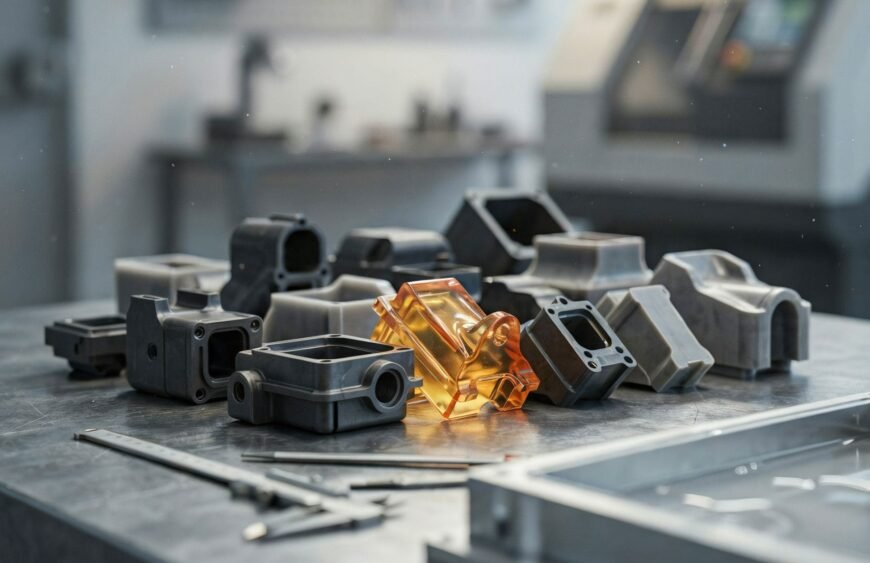
If you’re developing a new product and need parts that look and feel like the final injection-moulded version but without committing to expensive tooling, vacuum casting is worth a serious look. It’s one of the most reliable bridges between 3D printing and full-scale production, and it’s exactly why so many product teams across India turn to a trusted vacuum casting service before scaling up.
What Is Vacuum Casting?
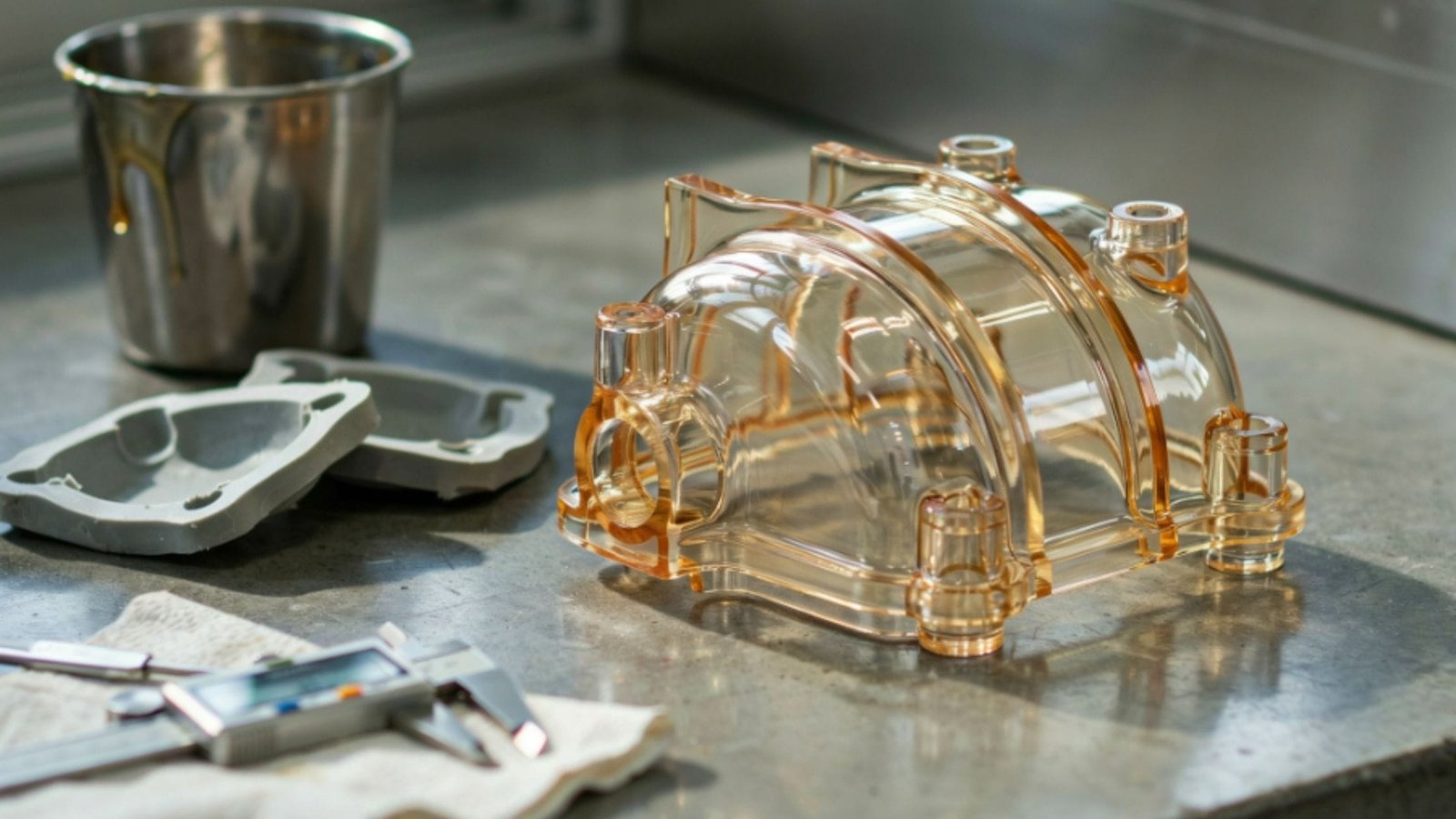
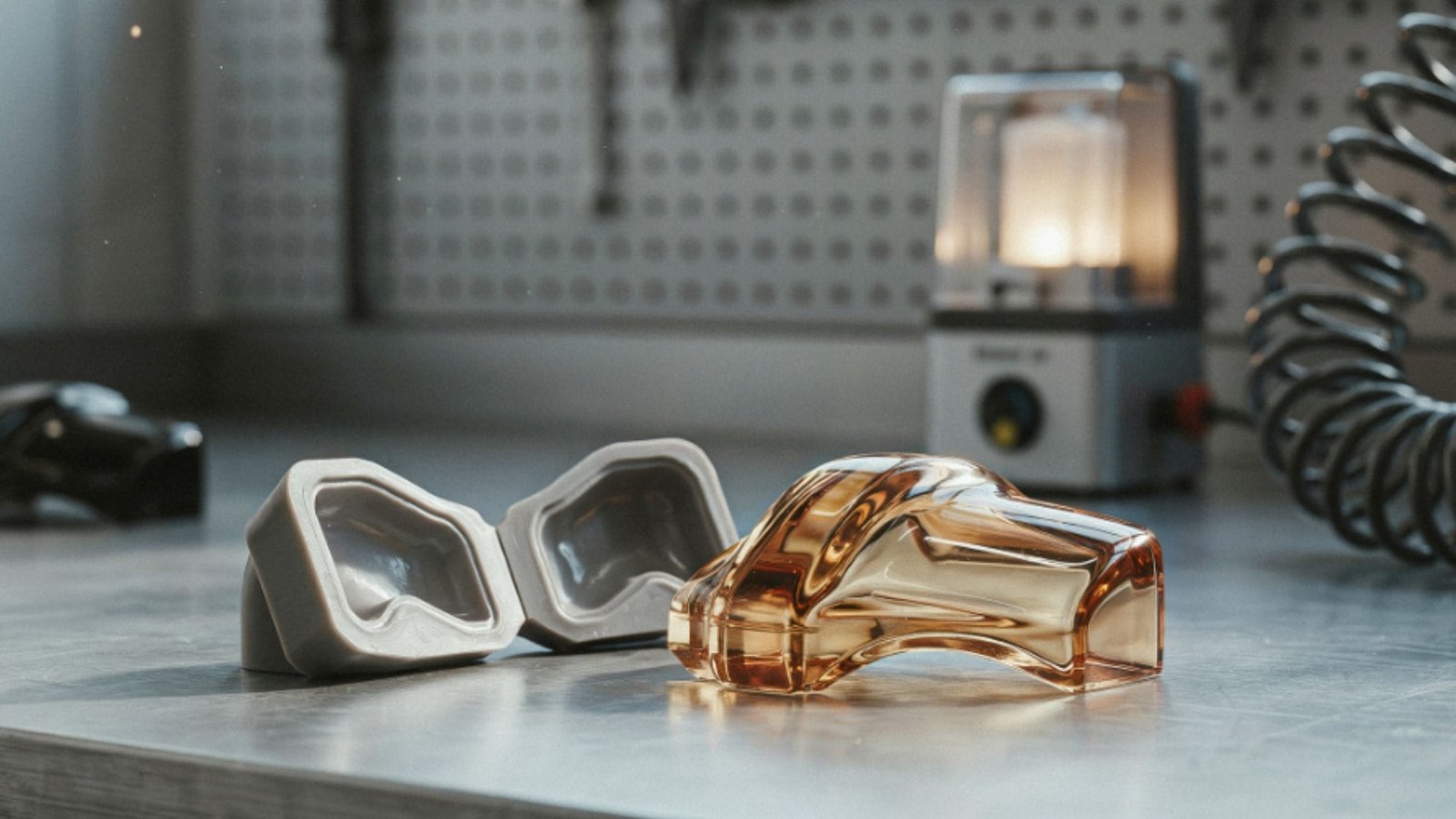
Vacuum casting is a manufacturing process that uses silicone moulds and two-component polyurethane resins to produce high-quality plastic parts. The finish quality often matches what you’d expect from injection moulding, but at a fraction of the cost and lead time, which makes it ideal for prototypes and limited production runs.
How the Process Works
- Master Model Creation
Everything starts with a master model, typically produced through. The accuracy and surface finish of this model directly determine the quality of every part cast afterwards, so getting this step right matters. - Silicone Mould Making
A silicone mould is created around the master model, capturing every detail with high resolution. - Resin Casting Under Vacuum
Polyurethane resin is poured into the mould inside a vacuum chamber. The vacuum removes air bubbles, ensuring each part comes out precise and defect-free. - Demoulding and Finishing
Once cured, parts are removed and finished as required.
Why It’s Ideal for Prototypes and Small Batches
- Highly detailed parts with exceptional resolution
- Broad material variety to match functional and aesthetic needs
- Swift turnaround compared to traditional manufacturing
- Efficient for low-volume production without expensive tooling
Vacuum casting typically works best for orders ranging from 1 to 50 parts per mould, making it cost-effective for functional prototypes, pre-production testing, small batch production, and limited-edition runs.
Material Options
One of the biggest advantages of vacuum casting is material flexibility. Depending on your project’s functional and aesthetic requirements, you can choose from:
- ABS
- Polycarbonate (PC)
- Polypropylene (PP)
- Wax
- Glass-filled materials
- Rubber
- Acrylic (PMMA)
Polyurethane resins are also available in flexible, rigid, transparent, and coloured variants, giving you the flexibility to match both look and performance.
Where Vacuum Casting Is Used
Vacuum casting supports a wide range of applications, including:
- Rapid prototyping for product development
- Pre-production testing and validation
- Master model replication
- Automotive prototype parts
- Consumer product prototypes
- Medical device prototypes
- Custom enclosures and housings
It’s commonly used across automotive, medical technology, consumer products, and electronics, wherever teams need functional, presentation-ready parts before committing to mass production.
Vacuum Casting vs Other Manufacturing Methods
If you’re comparing options, here’s a quick way to think about it:
- Vacuum Casting vs Injection Moulding: Vacuum casting avoids the high tooling costs of injection moulding, making it perfect for small runs. Injection moulding becomes more economical once you move into mass production.
- Vacuum Casting vs Metal 3D Printing. If your part needs to be metal or function under industrial loads, metal 3D printing in India (such as DMLS) may be a better fit. Vacuum casting is built for plastic and resin-based parts.
Why Choose Tesseract for Vacuum Casting in India
With over a decade of experience in 3D printing and manufacturing, Tesseract brings precision tooling and strong quality control to every vacuum casting project, from complex geometries to fine detailing.
But vacuum casting is just one piece of the puzzle. As a complete 3D printing service in India, Tesseract also offers 3D product design, CNC machining, injection moulding, sheet metal fabrication, and metal 3D printing so your project can move smoothly from concept to small batch to full production, all under one roof.
Ready to get started? Upload your design for an instant quote.
Frequently Asked Question
What is vacuum casting, and how does it work?
Vacuum casting uses silicone moulds and two-component polyurethane resins to produce high-quality plastic parts with injection-moulding-like finishes. A master model, typically SLA printed, is used to create the silicone mould, and resin is cast under vacuum to remove air bubbles and ensure precision.
What materials are available for vacuum casting?
A wide range of polyurethane resins is available, including flexible, rigid, transparent, and coloured options, along with materials like ABS, PC, PP, wax, glass-filled compounds, rubber, and acrylic.
What is the ideal volume for vacuum casting orders?
Vacuum casting is best suited for low-volume production, typically 1 to 50 parts per mould, ideal for prototypes, pre-production testing, and limited-edition runs.
What industries and applications use vacuum casting?
It’s widely used across automotive, medical, consumer products, and electronics for rapid prototyping, pre-production validation, master model replication, and custom enclosures.
How long does the vacuum casting process take?
Turnaround typically ranges from 5–10 days, depending on part complexity and quantity much faster than traditional manufacturing methods.