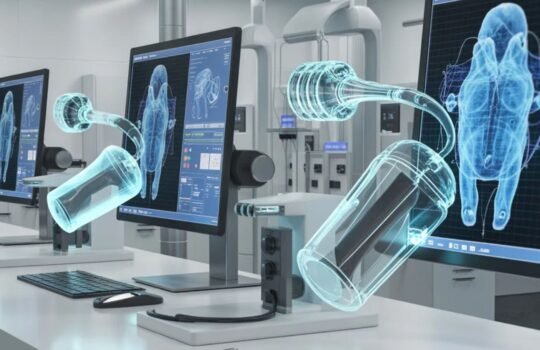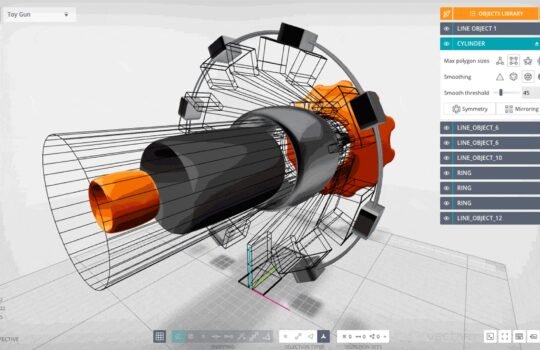
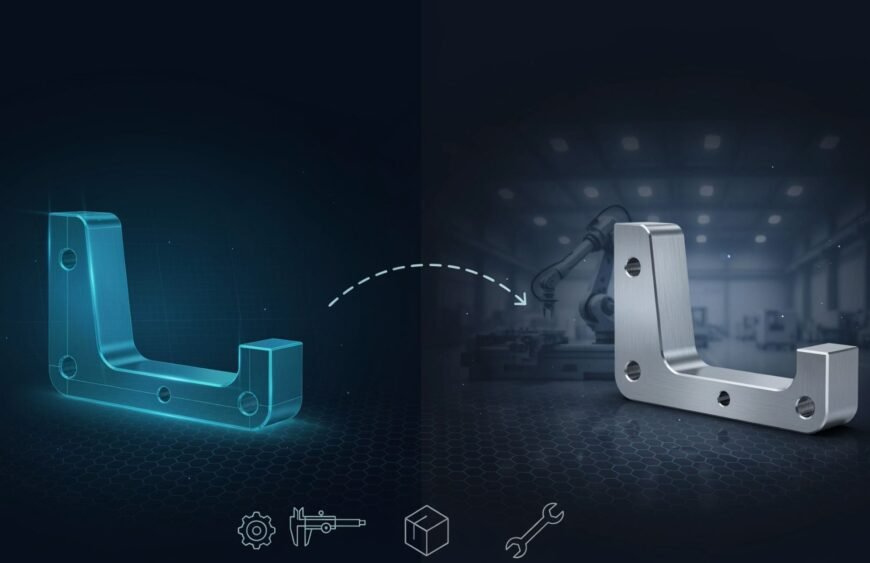
Design for Manufacturing (DFM) is the practice of designing a part or product so it can be manufactured easily, cheaply, and without defects, by addressing production constraints during the design stage instead of after tooling has already begun.
Most product failures do not happen on the factory floor. They happen weeks earlier, at the design stage, when a wall is drawn too thin for injection molding, or a feature is added that a CNC tool cannot reach. It is widely cited in manufacturing engineering that around 70 percent of a product’s final cost is locked in during design, well before a single part is cut or molded. DFM exists to catch these problems while they are still cheap to fix.
How DFM Works in Practice
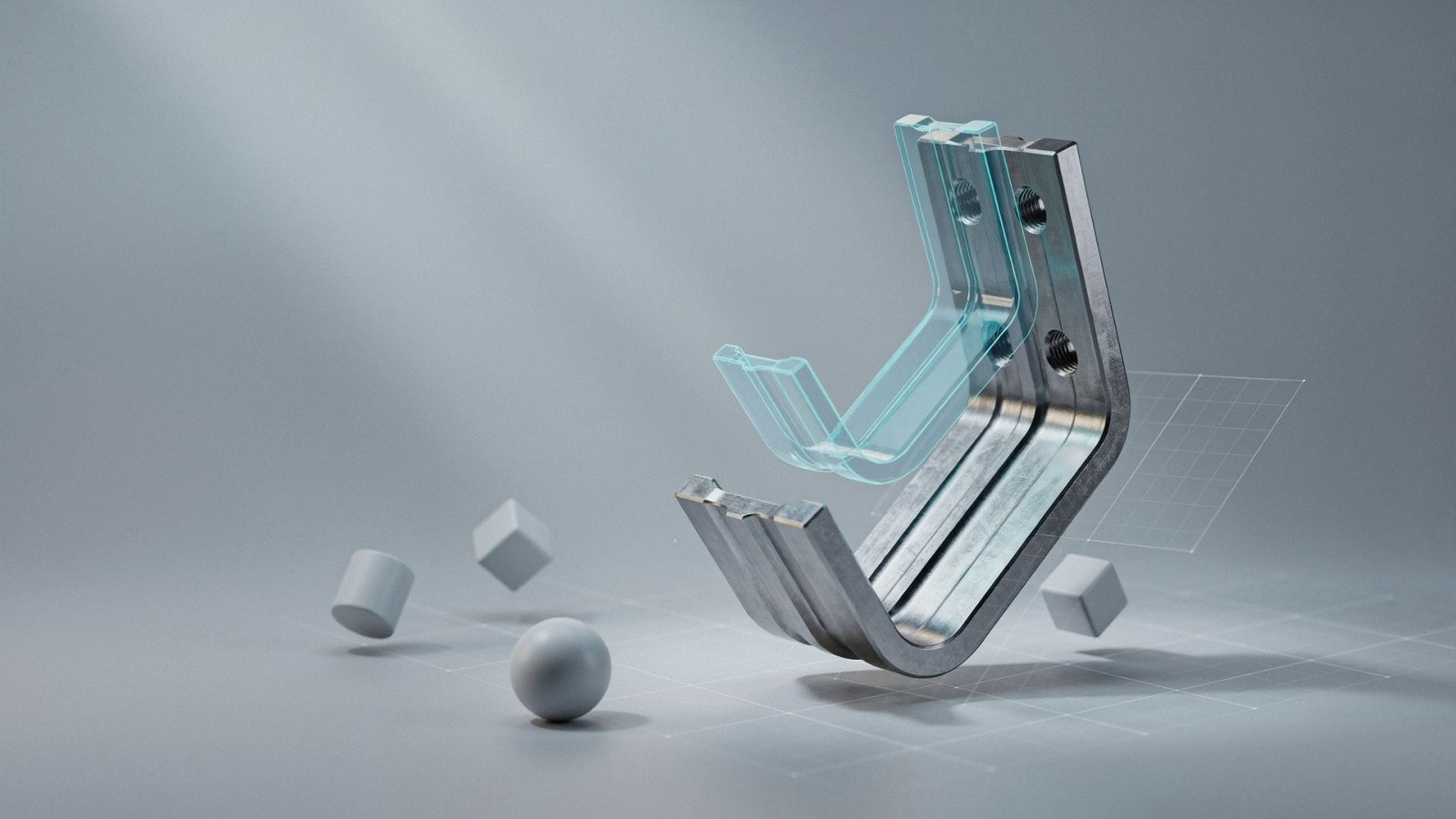
DFM is not a single checklist. A review starts by confirming the part’s function and expected volume, since that decides which process makes sense, then checks the design against that process before anything is tooled or printed.
In injection molding, DFM looks at wall thickness consistency, draft angles, and rib design to prevent warping and sink marks. In CNC machining, it looks at tool accessibility, tolerances, and material removal paths so a part can be cut without excessive machine time.
Tolerances matter across every process: specifying tighter tolerances than a part needs adds machining time and cost without adding value. In sheet metal fabrication, DFM accounts for bend radii and hole placement near edges. In 3D printing, it considers overhangs, support structures, and orientation, and for powder-based processes like SLS and DMLS, escape holes need to be included in hollow geometries so unfused powder can be removed after printing.
Across all of these, a few mistakes show up repeatedly: walls too thin for the chosen material, unsupported overhangs, tolerances tighter than the application needs, and material selection that does not match the part’s real-world load. Catching these before a mold is cut or a layer is printed is the entire point of DFM.
Why DFM Matters
DFM matters because it shifts cost and risk to the cheapest point in the process. A CAD change costs a few hours; a tooling change after production has started can cost weeks and a significant redesign budget. It also affects performance directly, since thin walls, wrong materials, and poor feature placement lead to parts that fail under real-world load, a bigger problem in aerospace, automotive, and medical applications than a delayed shipment.
For teams moving between prototyping and production, whether using additive manufacturing, CNC machining, injection molding, or metal casting, a DFM review before committing to a process is what separates a smooth production run from a costly redo.
At Tesseract, DFM consulting is built into the design and manufacturing process rather than treated as a separate add-on. As a full-stack manufacturing partner in Mumbai, the team can take a project from CAD to finished component under one roof, running over 100 machines across its Mumbai and Boisar facilities. CAD files are reviewed for manufacturability before printing or tooling begins, whether the end process is FDM, SLA, SLS, DMLS, CNC machining, injection molding, or sheet metal fabrication, so problems are caught on screen instead of on the shop floor.
For metal parts, this review also covers material fit, since options like Titanium Ti64 (valued for biocompatibility in medical parts) or Stainless Steel 316L (chosen for corrosion resistance) each carry different DFM constraints around wall thickness and support.
Frequently Asked Questions
What does DFM stand for?
DFM stands for Design for Manufacturing, the practice of designing parts to be produced efficiently and without defects.
Is DFM the same as DFMA?
No. DFM focuses on manufacturing a single part efficiently, while DFMA (Design for Manufacturing and Assembly) also considers how easily multiple parts fit and assemble.
When should DFM be done?
DFM should happen at the design stage, before tooling, molds, or production printing begins, to avoid costly changes later.
Does DFM apply to 3D printing?
Yes. In 3D printing, DFM covers wall thickness, overhang support, part orientation, and, for powder-based processes like SLS and DMLS, adding escape holes so unfused powder can be removed.
How much can DFM actually save?
Since roughly 70 percent of a product’s final cost is set during design, catching manufacturability issues before tooling or production begins is far cheaper than fixing them afterward, though exact savings vary by product and process.