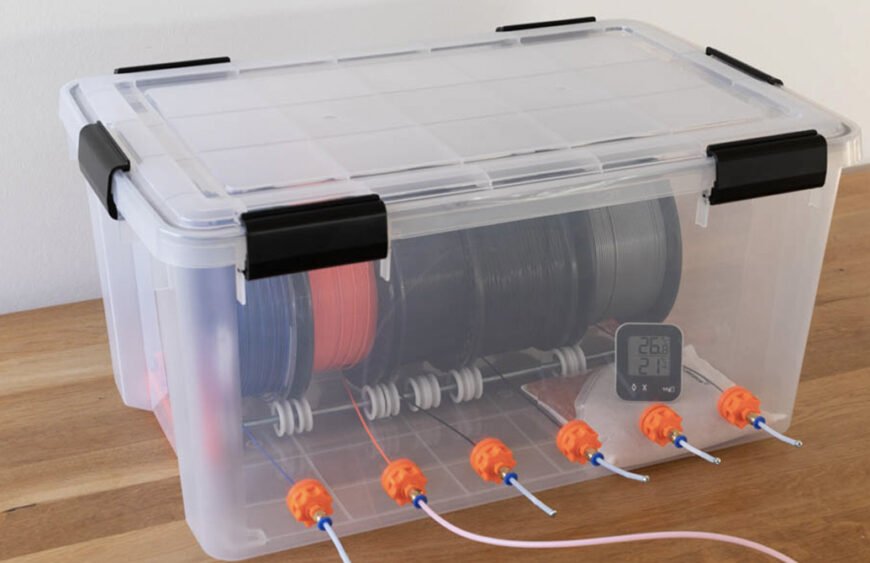
To store 3D printing filaments correctly, keep them in an airtight container with silica gel packs, at humidity below 20% and a temperature between 20-25°C. This is especially critical in India, where high humidity and heat cause hygroscopic filaments like PLA, ABS, and Nylon to absorb moisture – leading to brittle prints, poor extrusion, and nozzle clogs. This guide covers the exact storage methods, ideal conditions, and material-specific tips to keep your filaments print-ready for months.
Why Proper Storage Matters for 3D Printing Filaments
Proper storage of 3D printing filaments is essential to maintain the quality and performance of your prints. Without it, filaments can degrade, leading to failed or low-quality prints. Let’s look at two key reasons why proper storage is crucial:
Preventing Moisture Absorption and Degradation
Filaments like PLA, ABS, and Nylon are hygroscopic, meaning they absorb moisture from the air. In humid environments, this can cause swelling, poor extrusion, and surface defects, making proper storage vital.
Maintaining Consistent Printing Performance
Moisture-damaged filaments can lead to inconsistencies, such as warping, brittleness, or nozzle blockages. Storing filaments correctly ensures smooth printing, fewer print failures, and consistent print quality.
How to Store 3D Printing Filaments Effectively
Proper storage is key to extending the lifespan of your 3D printing filaments and ensuring high-quality prints. Below are the best practices to follow:
Use of Airtight Storage Containers
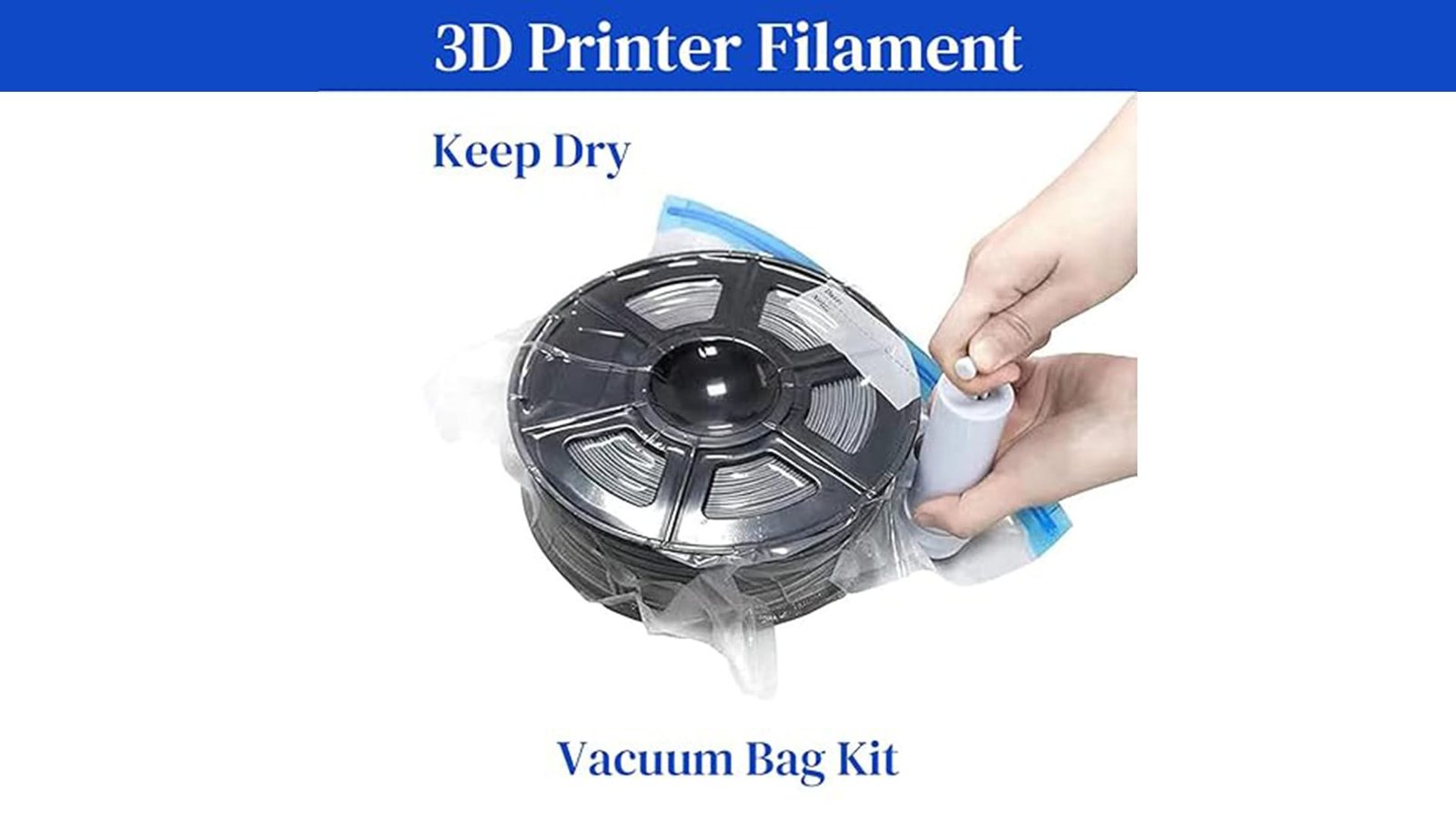
Airtight containers are a simple and affordable solution to keep filaments dry. In India, you can find cost-effective options from brands like Cello or Milton. Vacuum-sealed bags are also useful for storing filaments, especially in areas with high humidity.
Using Silica Gel Packs for Moisture Control
Silica gel packs help absorb moisture, keeping your filaments dry. These packs are inexpensive and widely available on platforms like Amazon India. Place them inside your filament containers to prevent moisture buildup.
Storing Filaments in a Dry Box
A dry box provides optimal protection for filaments in humid climates. You can purchase commercial dry boxes or create a DIY version using airtight containers, silica gel, and a hygrometer to monitor moisture levels. This is an excellent option for Indian regions with persistent humidity.
Ideal Environment for Storing Filaments in India
Creating the right storage environment is essential, particularly in India, where humidity and temperature variations are common. Here are the key factors to consider:
Controlling Humidity Levels
To prevent moisture absorption, it’s crucial to keep filaments in an environment with humidity below 20%. Using dehumidifiers or moisture absorbers inside storage containers can help maintain these levels. In especially humid areas, like coastal regions, using silica gel packs or humidity control devices is necessary to protect the filaments.
Managing Temperature Fluctuations
Filaments should be stored at stable temperatures, ideally between 20-25°C. Extreme heat or direct sunlight can cause filaments to become brittle or warp, especially in regions prone to high temperatures. Keep them away from windows or heat sources to ensure they remain in good condition.
Storing Different Types of 3D Printing Filaments
Different 3D printing filaments require specific storage techniques to preserve their properties. Here’s how to store some of the most common filament types:
PLA Filament Storage
PLA is less sensitive to moisture compared to some other filaments but still benefits from dry storage, especially in humid environments like coastal India. Airtight containers with silica gel packs are ideal for keeping PLA in top condition.
ABS and Nylon Filament Storage
ABS and Nylon are highly hygroscopic and can easily absorb moisture, leading to poor print quality. They should always be stored in dry boxes or airtight containers with moisture control, such as silica gel packs, especially in high-humidity regions.
Flexible Filaments (TPU/TPE) Storage
Flexible filaments, like TPU or TPE, can become brittle if exposed to moisture. Storing them in airtight containers with controlled humidity levels ensures they remain flexible and ready for use.
Conclusion
Proper storage of 3D printing filaments is essential for ensuring high-quality, consistent prints. In India, where humidity and temperature fluctuations are common, storing filaments in airtight containers, using silica gel packs, or investing in dry boxes can protect them from moisture and degradation. Each type of filament PLA, ABS, Nylon, and flexible filaments requires specific care to maintain its properties. By following these best practices, you can extend the lifespan of your filaments and achieve reliable 3D printing results.
Frequently Asked Questions
How long can 3D printing filament be stored?
Properly stored filament in an airtight container with desiccant can last 1-2 years without quality loss. Once opened and exposed to humid air without protection, PLA can degrade within weeks in Indian coastal climates.
What humidity level is safe for storing filament?
Filament should be stored below 20% relative humidity. Most Indian cities average 60-80% humidity, so active moisture control (silica gel or a dry box) is necessary, not optional.
Can I still use filament that has absorbed moisture?
Yes, in most cases – filament dryers or an oven at a low temperature (45-60°C for PLA, higher for Nylon) can dry out moisture-affected filament before printing. Severely degraded filament, however, will keep causing print defects even after drying.
Do I need a dry box, or are silica gel packs enough?
Silica gel packs in an airtight container are sufficient for short-term storage or low-humidity regions. A dedicated dry box is worth the investment for high-humidity areas, frequent printing, or moisture-sensitive filaments like Nylon and TPU.
Which filaments need the most careful storage?
Nylon and ABS are the most hygroscopic and need dry-box storage. PLA is more forgiving but still degrades in humid conditions. TPU/TPE need controlled humidity to avoid becoming brittle.