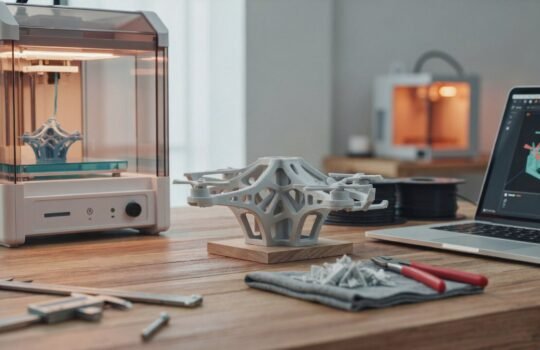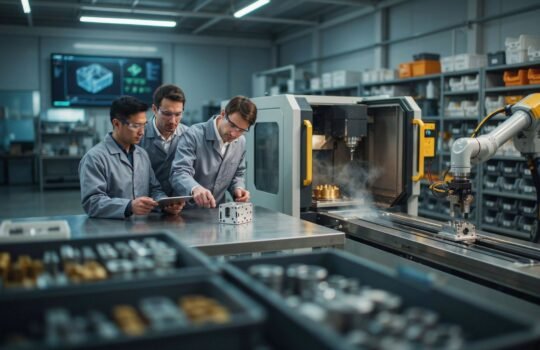

Tesseract’s 3D printing solutions help you get functional prototypes faster and cheaper by using FDM, SLA, and SLS technologies to convert your design files directly into physical parts – no tooling required. This cuts typical prototyping time from weeks to days and lets you test, iterate, and validate a design before committing to full production.
The Value of 3D Printing Solutions for Prototyping
3D printing has revolutionized the prototyping phase of product development. Unlike traditional methods that can be time-consuming and expensive, 3D printing solutions provide rapid, flexible, and cost-effective means to create detailed prototypes. This technology enables iterative design and testing, ensuring that products are refined before moving to full-scale production, saving both time and resources.
Benefits of 3D Printing Solutions for Indian Innovators
In India’s growing innovation landscape, 3D printing solutions empower start-ups, SMEs, and large enterprises alike. The benefits include reduced prototype production costs, faster development cycles, and greater customization. By adopting 3D printing, Indian businesses can stay competitive and meet market demands more efficiently.

Key Features of Tesseract’s 3D Printing Solutions
Tesseract’s 3D printing solutions stand out due to their advanced technology and comprehensive services that cater to the unique needs of Indian businesses. Here’s what makes Tesseract the go-to choice for high-quality prototypes.
Cutting-Edge 3D Printing Technology
Tesseract uses state-of-the-art 3D printing technologies, including FDM, SLA, and SLS, to deliver a wide range of prototypes. These technologies ensure the highest levels of detail, durability, and design flexibility, enabling clients to create complex parts with precision.
FDM vs SLA vs SLS – Which One Fits Your Prototype
| Factor | FDM | SLA | SLS |
|---|---|---|---|
| Cost | Lowest | Moderate | Higher |
| Speed | Fast | Fast | Moderate |
| Surface finish | Visible layer lines | Smooth, high detail | Slightly grainy, matte |
| Best for | Functional testing, low-cost iterations | Presentation models, fine detail | Durable, complex geometries without supports |
For quick, low-cost functional prototypes, FDM is the practical choice. If your prototype needs fine surface detail – like a presentation model or intricate part , SLA delivers the sharpest finish. For complex, durable parts that need to survive real-world stress testing, SLS is usually the better fit.
High-Precision and Detailed Prototypes
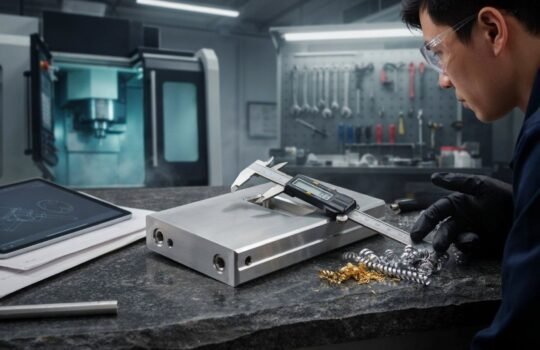
The emphasis on precision sets Tesseract apart. Every prototype undergoes a meticulous process to achieve fine details and dimensional accuracy, making them ideal for functional testing and validation before mass production.
From File Upload to Finished Prototype in 3 Steps
Tesseract simplifies the prototyping journey with a streamlined process that includes file preparation, design optimization, and seamless communication. This approach minimizes errors and shortens the development timeline, ensuring prototypes are delivered efficiently and meet client specifications.
Why Choose Tesseract for Your 3D Printing Needs?
Choosing Tesseract for your 3D printing needs offers unmatched advantages, making it a trusted partner for prototyping and product development in India.

Tailored Solutions for Diverse Industries
Tesseract serves a wide array of industries, including automotive, healthcare, consumer electronics, and more. Whether you need functional parts, concept models, or complex designs, Tesseract’s versatile solutions can be customized to meet specific industry requirements.
Design Support From Concept Review to Final Print
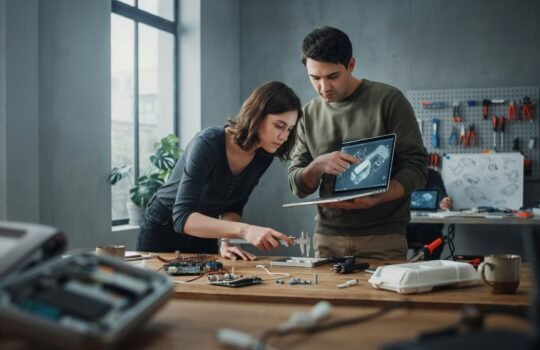
Tesseract’s team stays involved at every stage of your prototype’s journey:
- Concept Review – Your design is checked for printability, wall thickness, and support requirements before printing begins.
- Material & Process Guidance – The team recommends the right technology and material based on your prototype’s function and budget.
- Post-Print Finishing – Surface finishing, sanding, and assembly are handled in-house to deliver a presentation- or testing-ready part.
Cost-Effective and Time-Saving
By using advanced 3D printing technologies and efficient processes, Tesseract helps clients save both time and resources. The quick turnaround times and reduced material waste contribute to cost-effective prototyping that supports rapid product development cycles.
Real-Life Success Stories with Tesseract’s 3D Printing Solutions
Tesseract’s 3D printing expertise has driven success for numerous clients across various sectors. Here are some examples where Tesseract’s innovative solutions made a tangible difference.
Start-Ups Accelerating Product Launches
Several Indian start-ups have partnered with Tesseract to create quick and cost-efficient prototypes. One client in the consumer electronics sector used Tesseract’s FDM technology to produce functional prototypes, reducing their time-to-market by 40%. This allowed them to secure investors and move into full-scale production with confidence.
Healthcare Solutions with Precision
Tesseract collaborated with a medical device company to create precise 3D-printed models for surgical planning. The high-resolution SLA technology ensured accurate, detailed prototypes that improved pre-surgical assessments and improved patient outcomes.
Automotive Innovations Simplified
An automotive client needed complex, lightweight prototype components. Tesseract’s SLS printing technology delivered highly detailed and durable parts, facilitating rigorous testing and modifications. The client noted faster prototype iterations and significantly improved development speed.
These success stories demonstrate how Tesseract’s 3D printing solutions drive impactful results, empowering businesses across India to innovate efficiently.
Conclusion
Need a prototype turned around this week? Tesseract prints in FDM, SLA, and SLS from a single file upload – no tooling, no minimum order. Get an instant quote and we’ll confirm material, timeline, and cost within a few hours.
Frequently Asked Question
What’s the difference between FDM, SLA, and SLS 3D printing?
FDM is the most cost-effective and best for functional prototypes with moderate detail. SLA produces the highest surface finish and fine detail, ideal for presentation models. SLS is best for durable, complex geometries without support structures, suited to functional testing.
How long does 3D printing a prototype take?
Most prototypes are printed within 24-72 hours depending on size, material, and finishing requirements, compared to weeks for traditional tooling-based methods.
Is 3D printing accurate enough for functional testing?
Yes. SLA and SLS technologies can achieve tight dimensional tolerances suitable for fit, form, and function testing before moving to full-scale production.
Can Tesseract 3D print in different materials?
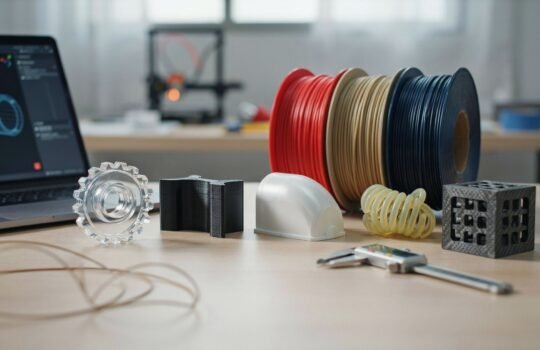
Yes , Tesseract works across a range of resins, filaments, and powders depending on the prototype’s mechanical, thermal, or aesthetic requirements.