
In 2026, Indian film, OTT, and live entertainment productions are using 3D printing for custom costumes, props, set sculptures, and camera-ready finishing, cutting production timelines from weeks to days while giving designers a level of detail traditional fabrication can’t match.
India’s cinema and entertainment industry is one of the largest in the world, and the demand for visually compelling, highly detailed production elements has never been higher. From Bollywood blockbusters to OTT productions and live entertainment events, production teams are constantly looking for faster, more creative ways to bring ambitious ideas to life. 3D printing is fast becoming the technology that makes this possible.
Here are 5 ways the cinema and entertainment industry in India will use 3D printing in 2026.
1. Custom Costume Design and Fabrication
3D printing lets costume designers produce armour, accessories, and period detailing with a level of precision hand-fabrication can’t match – because the design comes from an exact digital file, not a physical mold or hand-sculpted mockup.3D printed costumes transcend traditional creative limitations, empowering CAD designers to manifest their visions with a level of detail and precision that conventional fabrication methods simply cannot match.
Whether it’s armour for a mythological character, a futuristic suit for a sci-fi thriller, or intricately detailed accessories for a period drama, 3D printing allows designers to produce customised costumes that perfectly embody the essence of characters, adding depth and authenticity to every performance.
2. Props and Set Designs for Shoots
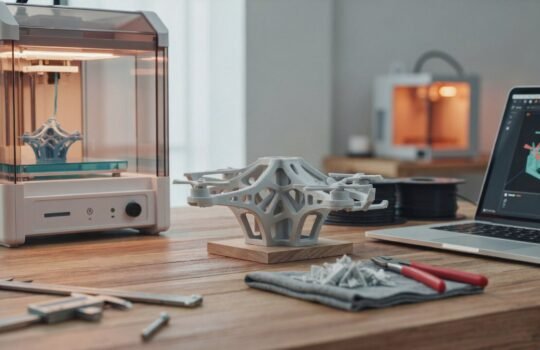
3D printing cuts prop and set production time from weeks to days by fabricating directly from a digital file – no molds, no tooling, no waiting on a sculptor’s schedule. 3D printing enables production teams to design and fabricate props and set designs that seamlessly integrate into the cinematic narrative, enhancing both visual appeal and the story being told.
Key advantages for prop and set production:
- Quick turnaround for custom and one-of-a-kind pieces.
- High geometric precision for intricate or unusual shapes.
- Consistent replication when multiple identical props are needed.
- Lighter-weight alternatives to traditional materials like metal or wood.
3. Detailed Sculptures for Visual Storytelling
3D printing allows art directors and set designers to create intricate and detailed sculptures that enhance the visual aesthetics of a production. Sculptures that once required weeks of hand-crafting can now be produced in days with no compromise on detail or quality.
This is particularly relevant for large-scale Indian productions where elaborate sets, deity sculptures, or decorative art pieces are essential to the story’s visual language.

4. Post-Processing for Camera-Ready Finishes
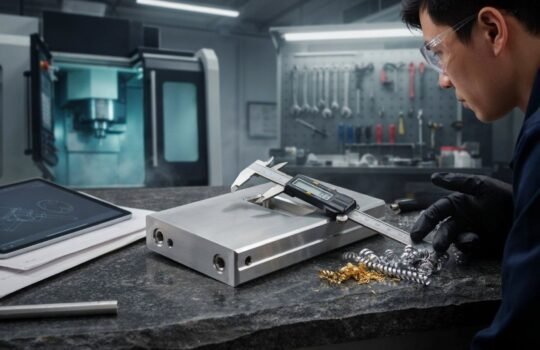
A raw 3D print doesn’t look camera-ready on its own – post-processing (painting, electroplating, powder coating, hydro-dipping) is what turns plastic into something that reads as metal, wood, or stone on screen. Tesseract post-processing capabilities include painting, anodizing, electroplating, powder coating, hydro-dipping, laser engraving, buffing and polishing, and sandblasting, ensuring that every printed element meets the exacting visual standards of professional film and entertainment production.
These finishing options mean a prop or costume piece printed in plastic can convincingly look like metal, wood, stone, or any other material on screen.
5. 3D Product Design: From Concept to Camera-Ready
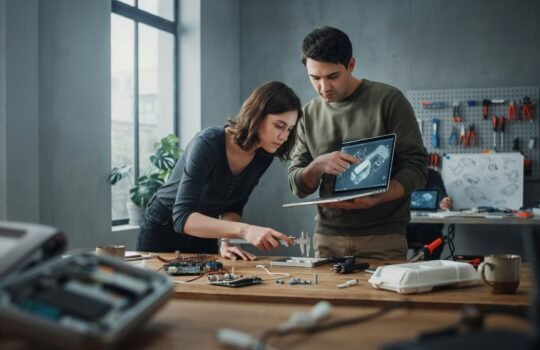
Before anything is printed, it needs to be designed. Tesseract product design services, including CAD modelling and 2D-to-3D conversion, allow production teams to start from a sketch, reference image, or brief and arrive at a precise, production-ready digital file.
This end-to-end capability means cinema and entertainment clients can work with a single partner from initial concept all the way through to the finished physical piece, saving time, reducing miscommunication, and maintaining creative control throughout.
Why Tesseract Is the Right 3D Printing Partner for Cinema and Entertainment in India
With 100+ machines across facilities in Mumbai and Boisar, Tesseract brings the technical depth and creative understanding that film and entertainment productions demand. From 3D product design and printing through to post-processing and final delivery, it supports every stage of the production pipeline out of its 5,000+ sq. ft. facility.
Most projects are completed within 2–7 days, with expedited services available for urgent production deadlines, ensuring that no shoot is ever delayed waiting on creative elements.
Ready to bring your next production to life? Upload your design for an instant quote.

Frequently Asked Questions
How much does 3D printing a movie prop cost in India?
Cost depends on size, material, and finishing complexity, but 3D printing is generally more cost-effective than traditional mould-making for one-off or short-run production elements because it eliminates tooling costs. Get an instant quote by uploading your design specs.
Can 3D printing fully replace traditional prop-making for films?
Not always. For very large hero props or extremely high production runs, traditional fabrication can still make sense. But for custom, one-of-a-kind, or time-sensitive elements, 3D printing is usually faster and more precise, and productions often combine the two methods.
What size props or sculptures can be 3D printed for a film set?
Tesseract’s facilities in Mumbai and Boisar support a wide range of build sizes, and larger set pieces or sculptures are produced in sections and seamlessly joined during post-processing – so scale isn’t a limiting factor for most productions.
How many design revisions are possible before final production?
Because each piece starts as a digital file rather than a physical mould, design changes can be reviewed and reprinted quickly, without the cost or delay of remaking tooling – making last-minute creative changes far less disruptive than with traditional fabrication.
Can 3D printing match a specific reference image or sketch?
Yes. Tesseract’s design team can take a hand-drawn sketch, reference photo, or brief and convert it into a precise, production-ready 3D file, so the final piece matches the creative vision before a single layer is printed.