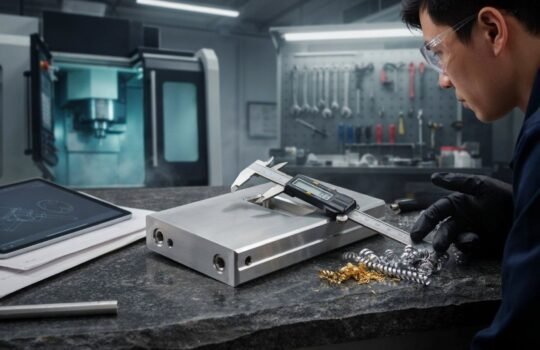
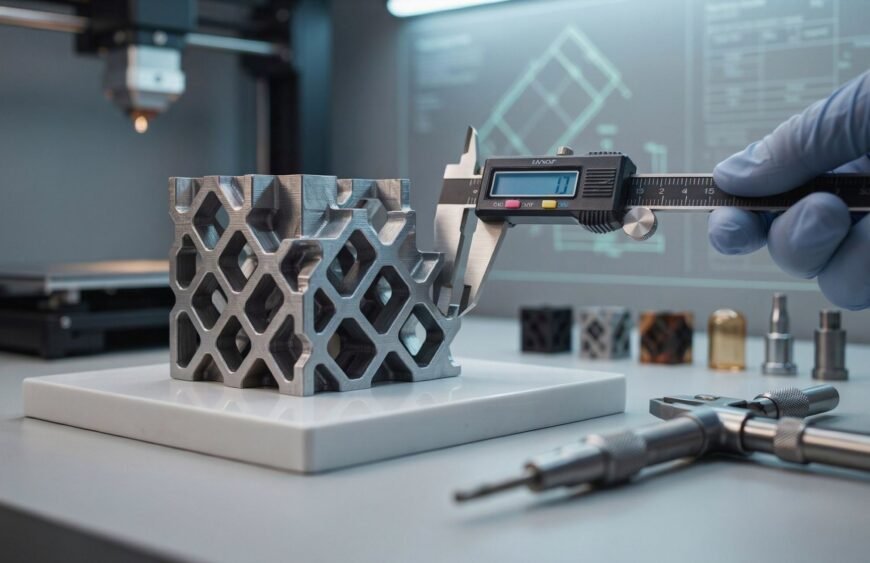
Tolerances are important in precision 3D printing because they define how much a printed part’s dimensions can vary from the design. Tight, realistic tolerances ensure parts fit, assemble and function as intended, reduce rework and cost, and keep prototypes and production parts consistent across technologies, materials and batches.
If you are ordering 3D printing services in Mumbai or anywhere in India, understanding tolerances can save you time and money. Here is what they are, why they matter and how to plan for them.
What Are Tolerances in 3D Printing?
A tolerance is the acceptable range of variation in a part’s dimensions. No manufacturing process produces a perfect copy of a CAD file. Small deviations are normal, and tolerances set the limits of what is acceptable.
In practice, tolerance covers the size of a hole, the thickness of a wall, the gap between two mating parts and the flatness of a surface. It is closely tied to dimensional accuracy, which describes how closely the printed part matches the intended size.
Why Do Tolerances Matter in Precision 3D Printing?
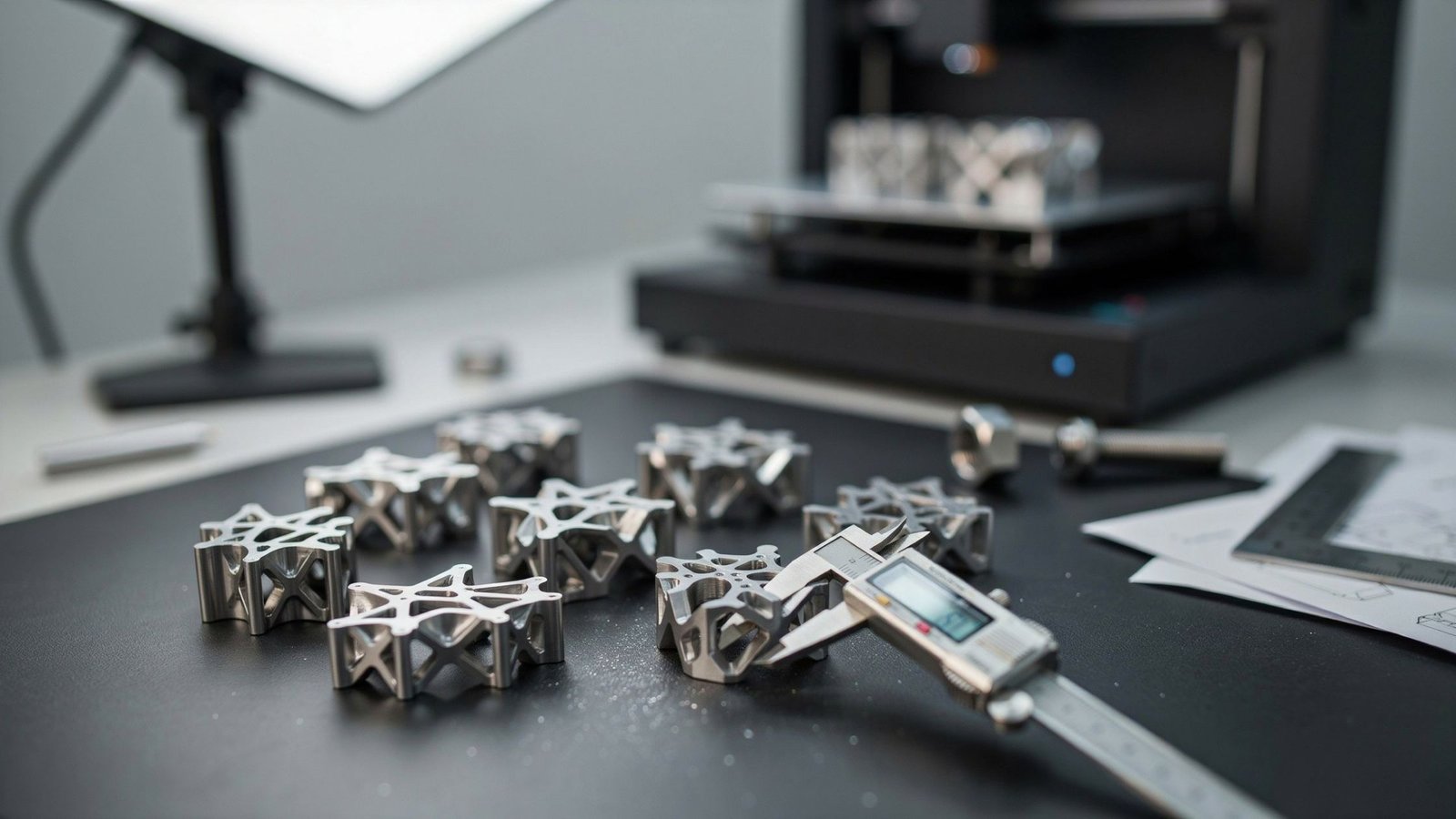
Tolerances decide whether a part works or fails. Four reasons stand out.
1. They Make Parts Fit and Assemble Correctly
Most real products are assemblies. A housing must close over a circuit board, and a shaft must sit in its bore. If a dimension drifts outside its tolerance, parts may jam, wobble or fail to join at all.
2. They Protect Functional Performance
Functional prototypes are built to be tested, not just viewed. A moving mechanism, a snap-fit clip or a sealing surface only behaves like the final product if its dimensions are controlled. Loose tolerances can make test results misleading.
3. They Control Cost and Lead Time
Every printed part that has to be reprinted costs material, machine time and days. Defining realistic tolerances upfront reduces failed iterations. Specifying tighter tolerances than a feature needs can also add unnecessary effort.
4. They Ensure Repeatability
Ordering one prototype is different from ordering a batch. Clear tolerances help each part match the last, which matters when parts feed into production, testing or customer delivery.
What Affects Tolerances in 3D Printing?
Tolerance is not set by the printer alone. Several factors work together.
Does the Printing Technology Change Tolerances?
Yes. Each process builds parts differently, so each has its own strengths. Tesseract offers FDM, SLA, SLS, DMLS, DLP, PolyJet and MultiJet Printing (MJP), among others. For fine detail and smooth surfaces, a process such as SLA 3D printing is often a natural choice. The right technology depends on the part’s size, geometry and end use.
How Do Materials Influence Accuracy?
Materials behave differently during and after printing. Plastics, resins and metals each respond to heat, curing and cooling in their own way, which can cause small dimensional shifts. Choosing the material early, with the tolerance in mind, avoids surprises.
What Role Do Part Design and Orientation Play?
Wall thickness, overhangs, hole sizes and the direction a part is built all affect the final dimensions. A feature that is easy to print in one orientation may be harder in another. This is why design input matters as much as the machine.
Do Post-Processing Steps Affect Dimensions?
They can. Sanding, polishing, painting or coating a part can add or remove a small amount of material. If a surface must hold a critical dimension, plan for finishing in the design. Professional post processing helps parts look and perform as intended without compromising critical features.
How Do You Specify Tolerances the Right Way?
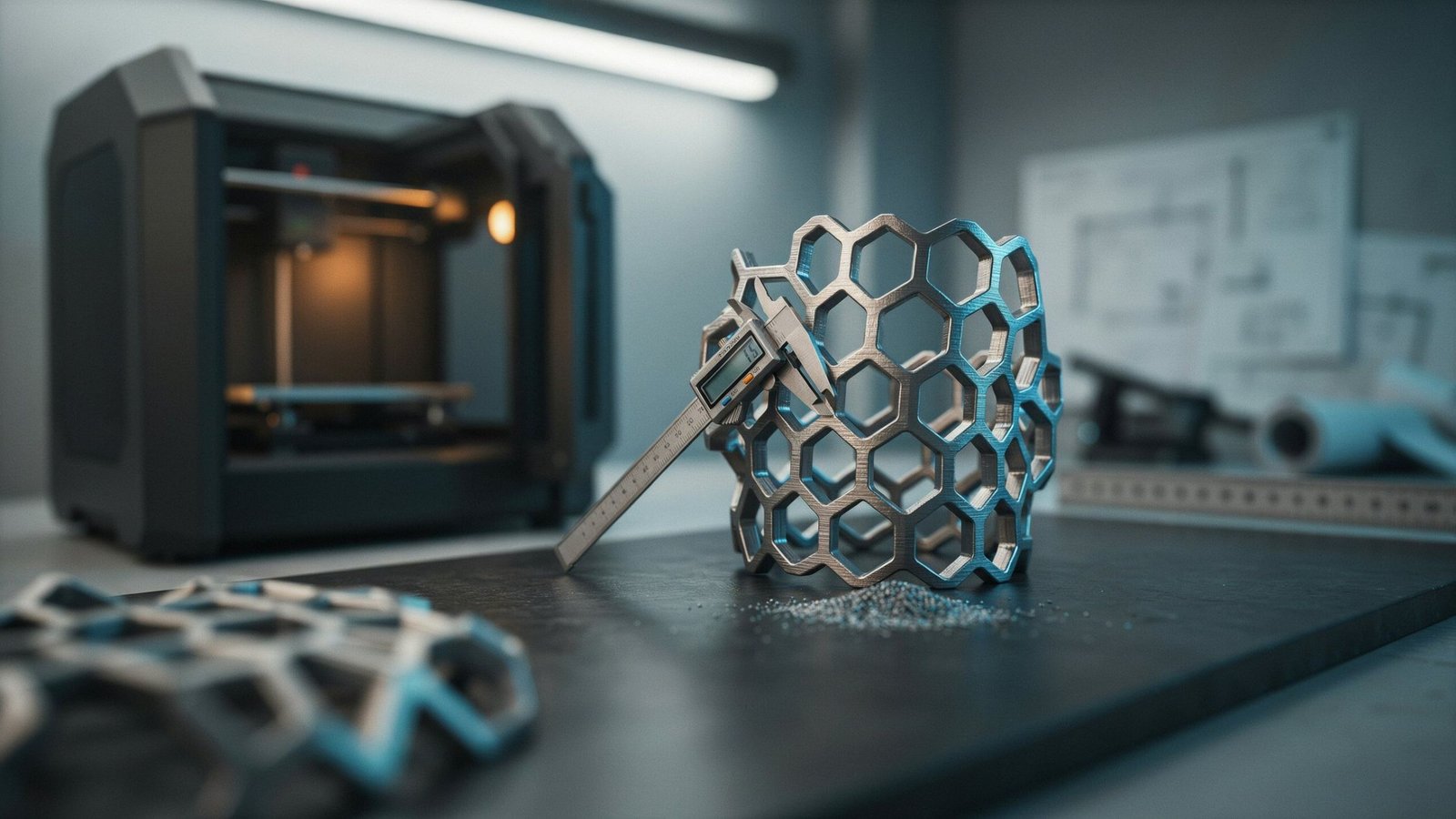
Good tolerance planning is simple when you follow a few habits.
- Tolerance only what matters. Mark critical dimensions such as mating surfaces, and leave non-critical features flexible.
- Choose the process before finalising the design. The technology and material shape what is achievable.
- Design clearances into assemblies. Mating parts need a planned gap rather than an exact match.
- Share the intended use. A display model and a working mechanism need different levels of precision.
- Get a design review. A manufacturability check before printing catches issues early.
Tesseract lists DFM problem solving and consulting among its strengths, and its product designing service can help turn sketches and concepts into production-ready 3D models.
Which Industries Depend Most on Tight Tolerances?
Any field where parts must fit and perform reliably benefits from controlled tolerances. Tesseract serves aerospace, automotive, medical technology, defence, electronics, robotics and more. In these areas, a part that is slightly off can mean a failed assembly, a rejected prototype or a delayed project.
How Can You Get Reliable Tolerances From a 3D Printing Partner?
Work with a team that has the right equipment and experience. Tesseract operates 100+ machines across its Mumbai and Boisar facilities, offers multiple technologies under one roof and provides quick quotes. Most projects are completed within 2 to 7 days, depending on complexity and technology.
Share your CAD file, describe how the part will be used and flag the dimensions that matter most. Confirm achievable tolerances with the team before you print.
Conclusion
Tolerances turn a 3D model into a part that actually works. They shape fit, function, cost and repeatability, and they depend on technology, material, design and finishing. Plan them early and you avoid costly reprints.
Ready to print with confidence? Upload your design for a free instant quote, call +91 81698 12438 or email contact@tesseract3d.com. For more practical guides, visit the Tesseract blog.
Frequently Asked Questions
What is a tolerance in 3D printing?
A tolerance is the allowed range of variation between a part’s designed dimensions and its printed dimensions. It sets the limit for acceptable deviation so that parts fit, assemble and work correctly. Tolerances vary with technology, material, part size and design.
Why do 3D printed parts not match the CAD file exactly?
No manufacturing process is perfectly exact. Material behaviour, the printing method, part orientation and post-processing can all cause small deviations. Tolerances accept this variation within controlled limits, so parts remain functional even when they are not identical to the digital model.
Do all 3D printing technologies have the same tolerances?
No. FDM, SLA, SLS, DMLS, DLP, PolyJet and MJP each build parts differently, so their accuracy and finish differ. Choose the technology based on your part’s geometry, material and end use, and confirm achievable tolerances with your service provider.
How can I improve tolerances in my 3D printed parts?
Define only critical dimensions, choose the right technology and material early, add clearances to mating parts and plan for post-processing. A design-for-manufacturing review before printing also helps avoid errors and reduces reprints.
Can I get precision parts printed quickly in Mumbai?
Yes. Tesseract offers 3D printing with 100+ machines across Mumbai and Boisar. Most projects are completed within 2 to 7 days, depending on complexity and technology, with expedited services available for urgent deadlines and delivery across India.