Before ordering custom part manufacturing, businesses need to know five things: which process suits the part (3D printing, CNC machining or moulding), what material it needs, which design file to share, how long production takes, and what drives cost. Clarifying these upfront prevents delays, rework and mismatched quotes.
Choosing the wrong process or sending an incomplete file can add days to a project. This guide covers what to check before you place a custom manufacturing order in India.
What Is Custom Part Manufacturing?
Custom part manufacturing means producing components to your own design, quantity and material needs instead of buying standard catalogue parts. Tesseract positions itself as a product development partner, covering everything from 3D printing and prototyping to full-scale manufacturing in Mumbai.
Its services include product designing, 3D scanning, CNC machining, vacuum casting, injection moulding, sheet metal fabrication, metal casting, compression moulding, PCB designing and post processing.
Which Manufacturing Process Should You Choose?
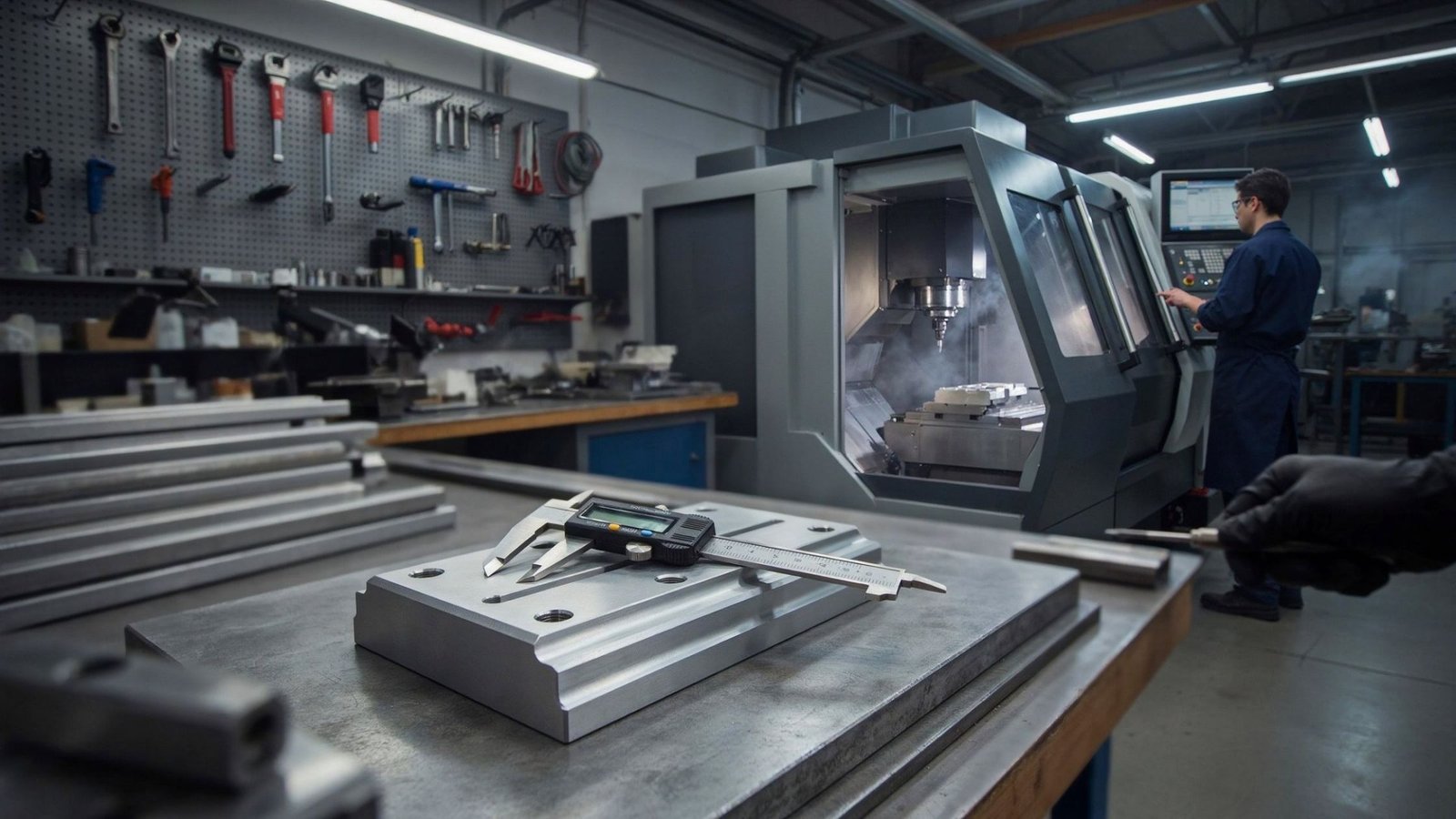
The right process depends on your part, material, quantity and end use. Here is a quick look at the main options.
Is 3D printing right for rapid prototyping?
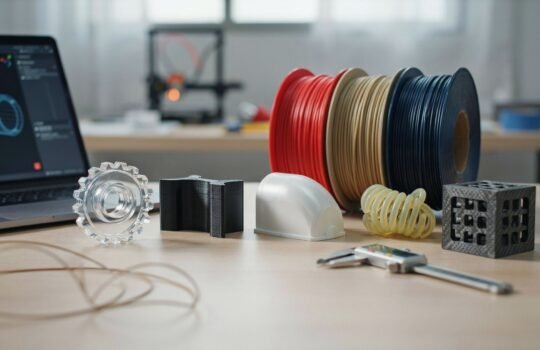
3D printing suits prototypes and custom parts where speed matters. Tesseract offers FDM, SLA, SLS, DMLS, DLP and PolyJet, among other technologies, so you can match the technology to your part.
When should you choose CNC machining?
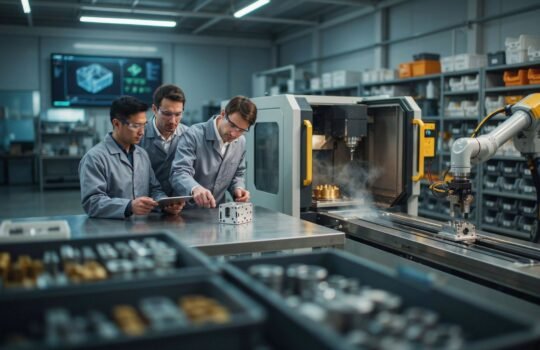
CNC machining is worth considering when you need machined parts. Tesseract offers it alongside its other services, so you can compare options under one roof.
What about moulding and casting?
Depending on quantity and material, ask about injection moulding, vacuum casting, compression moulding and metal casting. Share your requirements, and the team can recommend the best fit. You can start with the injection moulding service page.
Why Does Design for Manufacturability (DFM) Matter?
A design that looks good on screen may still be hard to produce. Tesseract lists DFM problem solving and consulting as a core strength, which helps catch issues before production starts.
If you only have a sketch, an old part or a 2D drawing, product designing services cover 3D CAD modelling, reverse engineering and 2D to 3D conversion.
What Files and Details Should You Prepare Before Ordering?
Complete information gets you faster, more accurate quotes. Tesseract accepts STL, STEP, STP, IGES, OBJ, PNG and JPEG files up to 25MB. Along with your file, have these ready:
- Material or end-use requirement
- Quantity
- Part size
- Preferred process (or ask for a recommendation)
- Surface finish
- Deadline
How Long Does Custom Manufacturing Take?
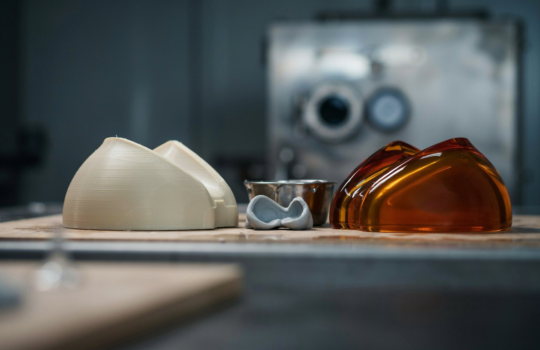
Most Tesseract projects finish in 2–7 days, depending on complexity and technology. Expedited service is available for urgent deadlines, with delivery across India. For example, the team delivered a custom VIP trophy for INOX from concept to delivery in just seven days.
What Affects the Cost of Custom Parts?
Pricing depends on material, technology, size and complexity. Because every part differs, request a quote with your file rather than relying on estimates. Tesseract offers a free instant quote when you upload your design.
Do You Need Post Processing?
Finishing changes how a part looks and feels. The INOX trophy, for instance, needed sanding and a premium metallic finish. If your part is customer-facing, plan post processing early.
What Mistakes Should You Avoid?
- Ordering without a clear material or end use
- Skipping a DFM review
- Leaving finishing until the end
- Sending incomplete files or deadlines
What Should You Look for in a Manufacturing Partner?
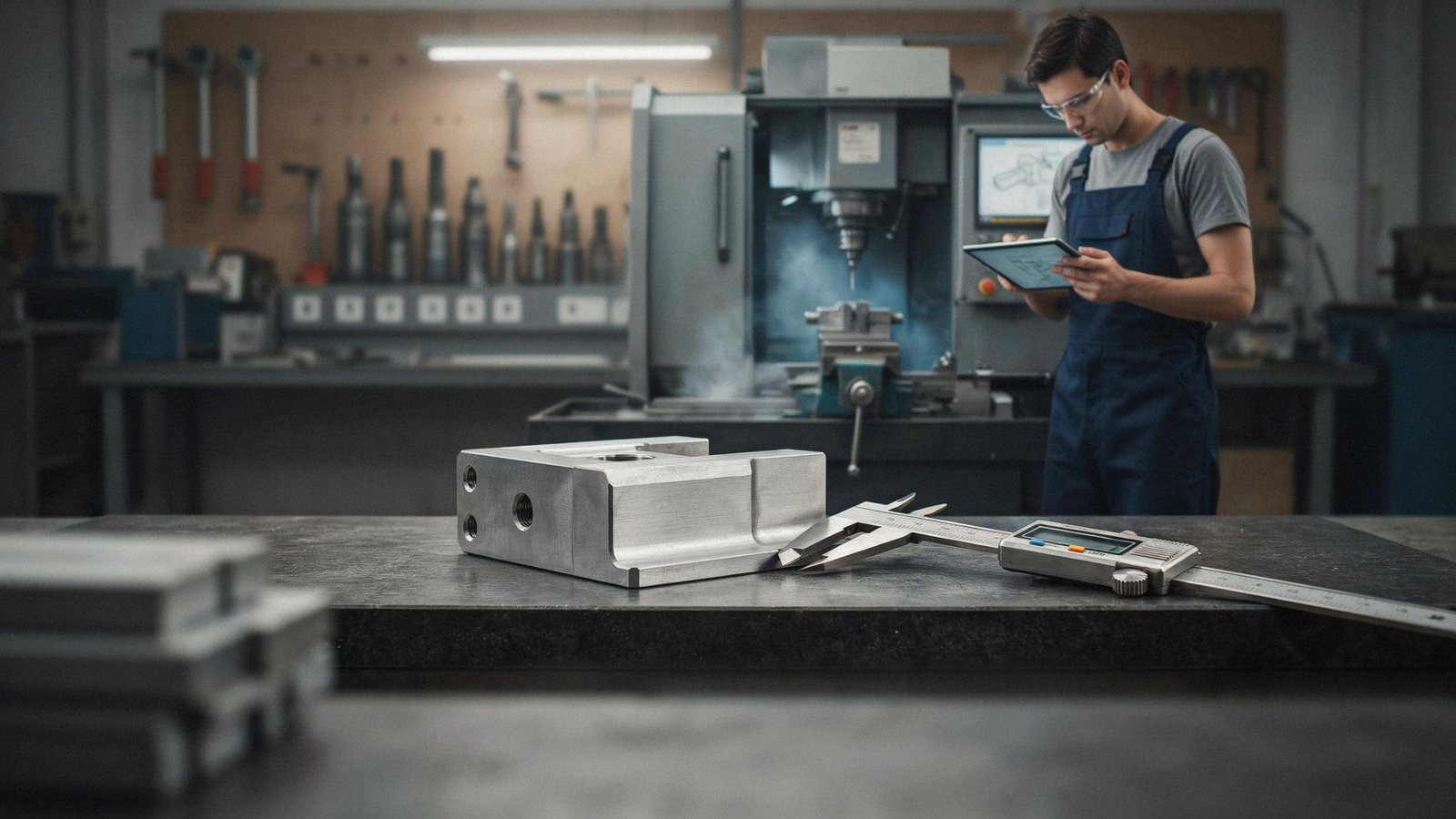
Check capacity, range of services and industry experience. Tesseract operates 100+ machines across its Mumbai headquarters and Boisar factory, and serves industries including automotive, aerospace, medical, defence, robotics and consumer products.
Conclusion
Successful custom part manufacturing starts with a clear design, the right process and realistic expectations on timing and cost. Ready to begin? Upload your design for a free instant quote or call +91 81698 12438. For more guides, visit the Tesseract blog.
FAQs
What is custom part manufacturing?
Custom part manufacturing is making components to your specific design, material and quantity. It can include 3D printing, CNC machining, injection moulding, vacuum casting, sheet metal fabrication and metal casting, often supported by design, prototyping and finishing services.
What file formats do I need to send?
Tesseract accepts STL, STEP, STP, IGES, OBJ, PNG and JPEG files, up to 25MB. If you only have a sketch or concept, its design team can create production-ready 3D CAD models for you.
How long does custom manufacturing take?
Most projects are completed within 2–7 days, depending on complexity and the technology used. Expedited services are available for urgent deadlines, and parts can be delivered across India. Share your deadline when requesting a quote.
How much does custom part manufacturing cost?
Cost varies with material, technology, size and complexity. Upload your design to get a free instant quote, or email contact@tesseract3d.com. Sharing quantity and finish requirements upfront helps avoid surprises.
Which industries use custom manufactured parts?
Industries include automotive, aerospace, medical technology, defence, robotics, architecture, jewellery, consumer products and toys. Tesseract’s specialised solutions include functional prototypes and biocompatible medical devices.