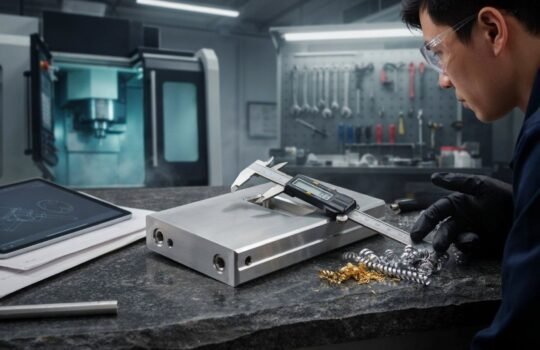
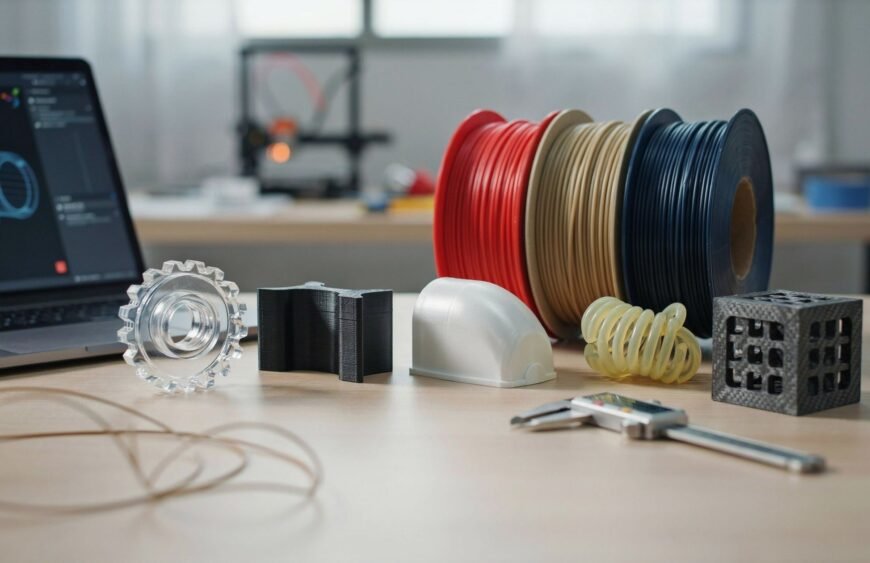
To select the right material for a 3D printed component, start with the part’s job: the load, heat, flexibility, appearance and finish it needs. Then match those needs to a process, such as FDM, SLA, SLS or DMLS, and a material within it. Consider budget and volume, and confirm with a quick prototype.
Why Does Material Choice Matter in 3D Printing?
Material decides how your part looks, feels and performs. A poor choice can mean a part that cracks, warps or fails testing, which wastes time and money. A good choice gets your prototype or end-use part working the first time.
Tesseract3D offers FDM, SLA, SLS, DMLS, PolyJet and DLP printing, so your options span plastics, resins and metal.
What Should You Ask Before Choosing a 3D Printing Material?
Answer these questions first:
- Is the part a visual model, a functional prototype or an end-use component?
- Will it face load, impact, heat or outdoor exposure?
- Does it need to bend, or stay rigid?
- How important are surface finish and colour?
- What are your quantity, budget and deadline?
Clear answers narrow the list quickly.
Which 3D Printing Technology Matches Your Material Needs?
Material and process are linked, so choose them together.
FDM 3D Printing: Thermoplastic Filaments
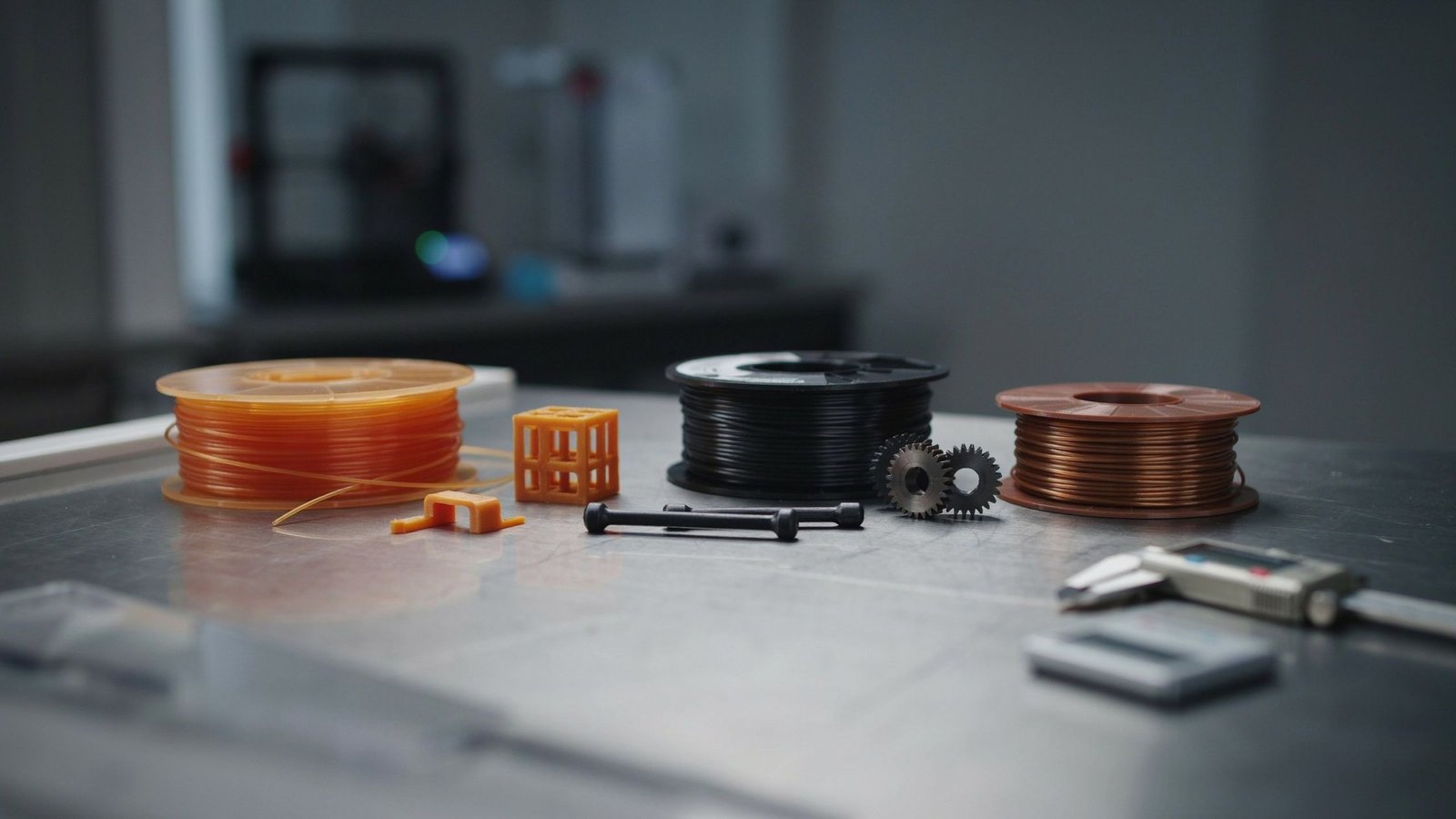
FDM 3D printing works with filaments. Tesseract’s store lists PLA, ABS, PETG, TPU, ASA, HIPS, flame-retardant ABS and carbon fiber (CF) composite filaments. That range covers everything from concept models to functional prototypes.
SLA and DLP: Resins for Detail
SLA and DLP use photopolymer resins. Tesseract offers standard and ABS-like resins, a sensible starting point when you want fine detail and a smooth surface.
SLS and DMLS: Strength and Metal Parts
For stronger end-use components, consider SLS. When you need metal, DMLS (Direct Metal Laser Sintering) is the route. Tesseract also offers PolyJet, MultiJet Printing, Ceramic Stereolithography and PµSL for specialised needs.
How Do Common 3D Printing Materials Compare?
- PLA: A popular general-purpose filament for concept models and visual prototypes. Tesseract stocks it in solid, metallic, matt, marble/wood and translucent finishes.
- ABS: Commonly chosen for tougher functional prototypes.
- PETG: A middle ground between easy printing and durability.
- TPU: A flexible filament for parts that must bend or absorb impact.
- ASA: Often used for parts exposed to outdoor conditions.
- Flame-retardant ABS: For parts where flame retardancy is a requirement.
- Carbon fiber composite: For stiffer, stronger parts.
- Standard resin: For detailed display models.
- ABS-like resin: For tougher resin parts.
- Metal (DMLS): For demanding, end-use metal components.
How Do You Match Material to Your Application?
Tesseract serves automotive, aerospace, medical, defence, jewellery, robotics, architecture, consumer and toy projects. Each has different priorities.
Automotive and robotics prototypes often need strength and heat tolerance. Architecture, art and jewellery models usually put finish and detail first. Medical projects may call for specialised materials, and Tesseract mentions biocompatible medical devices among its solutions.
Whatever your field, tell your supplier where the part will be used. That one detail often settles the material question.
Can Post-Processing Change Your Material Choice?
Yes. If a part will be sanded, painted or given a metallic finish, pick a material that suits those steps. Tesseract offers post processing, so you can plan the finish together with the material instead of treating it as an afterthought.
Why Get Expert DFM Advice Before You Print?
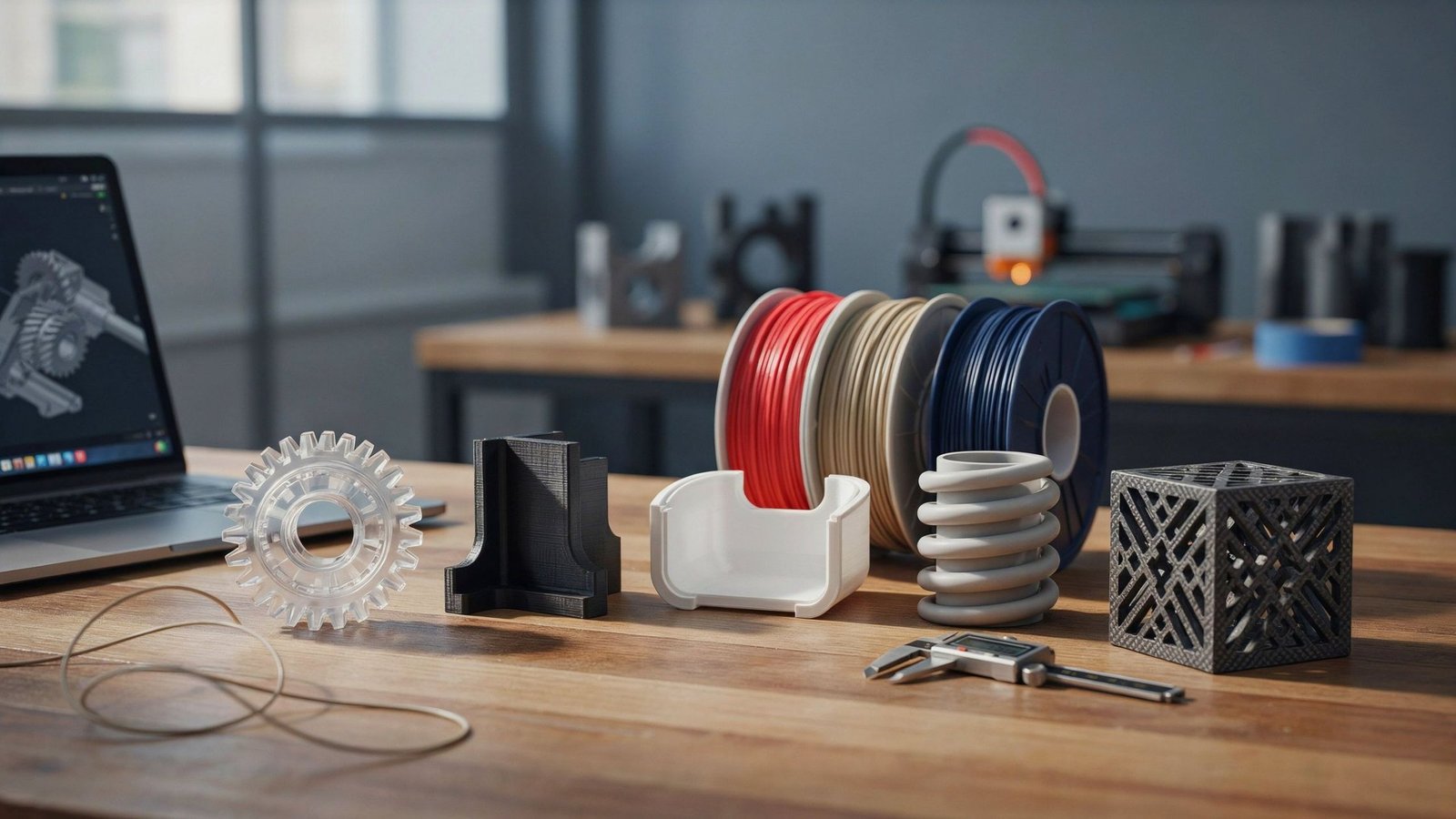
Design for manufacturing (DFM) advice catches problems early. Tesseract lists DFM problem solving and consulting among its strengths. Most projects there are completed in 2-7 days, so printing a quick prototype to test your material choice is practical before committing to a final part.
Conclusion
The right material comes down to function, environment, finish and budget. Browse the materials we offer, then upload your design to Tesseract3D, a 3D printing service in Mumbai, for a free instant quote. The team will help you choose with confidence.
FAQs
Which material is best for a first 3D printed prototype?
PLA is a common starting point for visual models and early prototypes. If the part must be tougher or handle heat, consider ABS or PETG. Share your requirements with the team and they can suggest the best fit.
What material should I use for a flexible part?
TPU is the flexible option in Tesseract’s filament range. It suits parts that need to bend or absorb impact. Check the shape and thickness of your design with the team so the part performs as expected.
Which 3D printing material suits outdoor use?
ASA is often chosen for outdoor parts, and Tesseract lists ASA filament in its store. Because conditions vary, confirm the material against your sun, weather and temperature exposure before you commit to production.
Can I 3D print in metal?
Yes. Tesseract offers DMLS (Direct Metal Laser Sintering), a metal 3D printing process. It suits demanding components. Upload your design to get a quote and discuss whether metal is the right choice for your part.
How long does it take to get a 3D printed part?
According to Tesseract, most projects are completed within 2-7 days, depending on complexity and technology. Expedited services are available for urgent deadlines, with delivery across India.