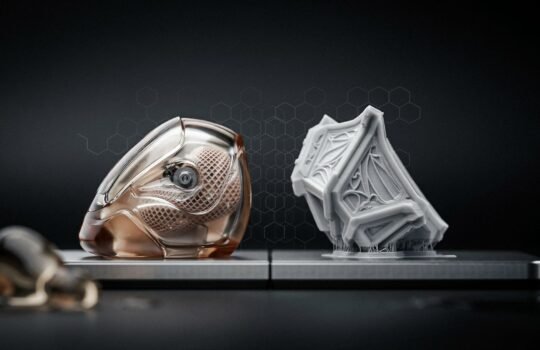
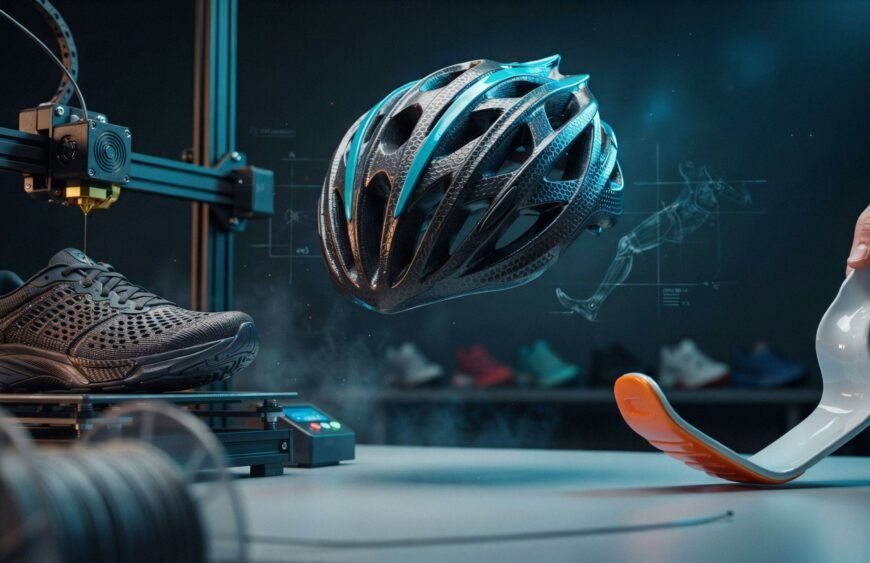
3D printing, or additive manufacturing, is transforming sports equipment by making fully customized, performance-tuned gear possible at scale — from footwear to protective equipment. In 2026, this shift moved from prototype to mainstream: Adidas launched commercial 3D-printed basketball shoes and soccer cleats through its Project R.A.P. platform, while Nike partnered with Zellerfeld to 3D-print performance sneakers.
From personalized running shoes to lightweight cycling components, 3D printing allows for tailored solutions built around individual athlete measurements and movement data. Its speed also enables rapid prototyping, cutting the time between design and market-ready product.
The Evolution of 3D Printing Technology in Sports
Early Adoption and Innovations
3D printing in sports began with custom-molded mouthguards and lightweight helmet prototypes. Early adopters recognized its potential for creating intricate designs that traditional methods couldn’t achieve, despite high costs and limited materials. These early innovations set the stage for broader adoption.
Current State of 3D Printing in Sports
In football and soccer, 3D printing has moved beyond prototypes into commercial products – Adidas released its first fully 3D-printed soccer cleats in 2026, designed using performance data and testing with professional players. Protective gear like shin guards can also be 3D printed to provide a better fit and enhanced protection, reducing the risk of injury.
Key Benefits of 3D Printing in Sports
Customization and Personalization
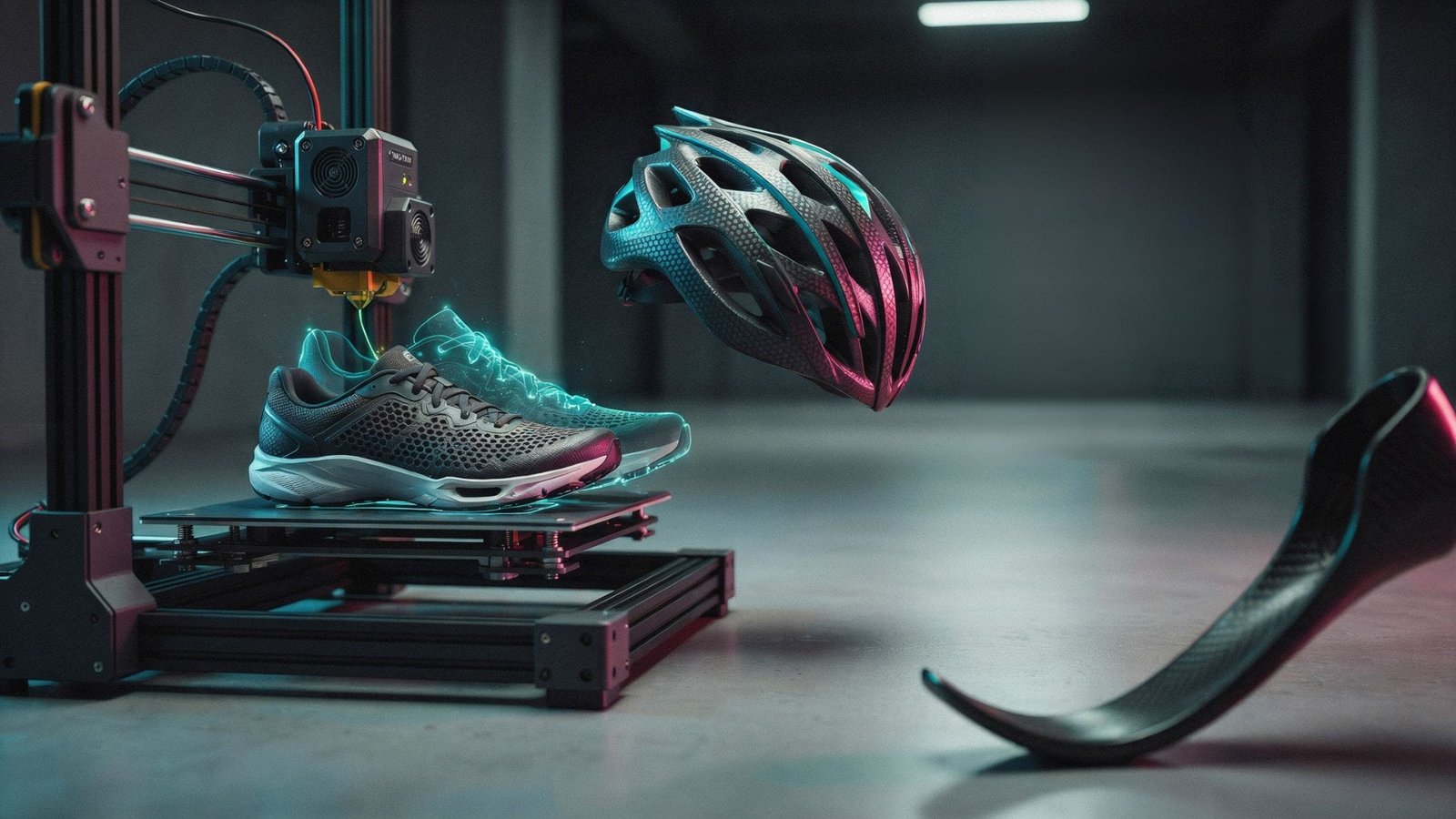
One of the most significant advantages of 3D printing in sports is the ability to create highly customized and personalized equipment. Athletes can have gear tailored specifically to their body measurements and preferences, enhancing comfort and performance. Examples include custom-fitted running shoes and personalized helmets that provide better protection and fit.
Rapid Prototyping and Production
3D printing significantly speeds up the prototyping and production processes. Manufacturers can quickly design, test, and refine new products, reducing the time from concept to market. This rapid prototyping allows for faster iteration and innovation, ensuring that athletes have access to the latest advancements in sports technology.
Enhanced Performance and Safety
3D printed equipment often results in lighter, stronger, and more efficient designs. For instance, customized insoles can improve an athlete’s gait, reducing the risk of injury, while 3D printed bike components can enhance aerodynamics and reduce weight. These advancements contribute to better performance and increased safety for athletes across various sports.
Applications of 3D Printing in Various Sports
Football and Soccer
In football and soccer, 3D printing is used to create custom cleats tailored to an athlete’s foot shape, improving comfort and performance on the field. Protective gear like shin guards can also be 3D printed to provide a better fit and enhanced protection, reducing the risk of injury.
Running and Athletics
3D printing has revolutionized running and athletics by enabling the production of personalized running shoes that perfectly match an athlete’s foot anatomy and running style. Additionally, track and field equipment, such as lightweight starting blocks and aerodynamic javelins, is being optimized using 3D printing technology.
Cycling and Motorsports
Cycling and motorsports benefit greatly from 3D printing, creating lightweight, aerodynamic components that enhance speed and performance. Custom bike frames, saddles, and helmets are tailored to individual cyclists, providing a competitive edge. In motorsports, 3D printed parts help reduce vehicle weight and improve aerodynamics.
Winter Sports
In winter sports, 3D printing creates custom-fitted ski boots and helmets, ensuring better performance and safety on the slopes. Snowboarding gear, including bindings and boards, can be optimized for individual athletes, enhancing their control and stability during competition.
Future Prospects of 3D Printing in Sports
Emerging Trends and Technologies
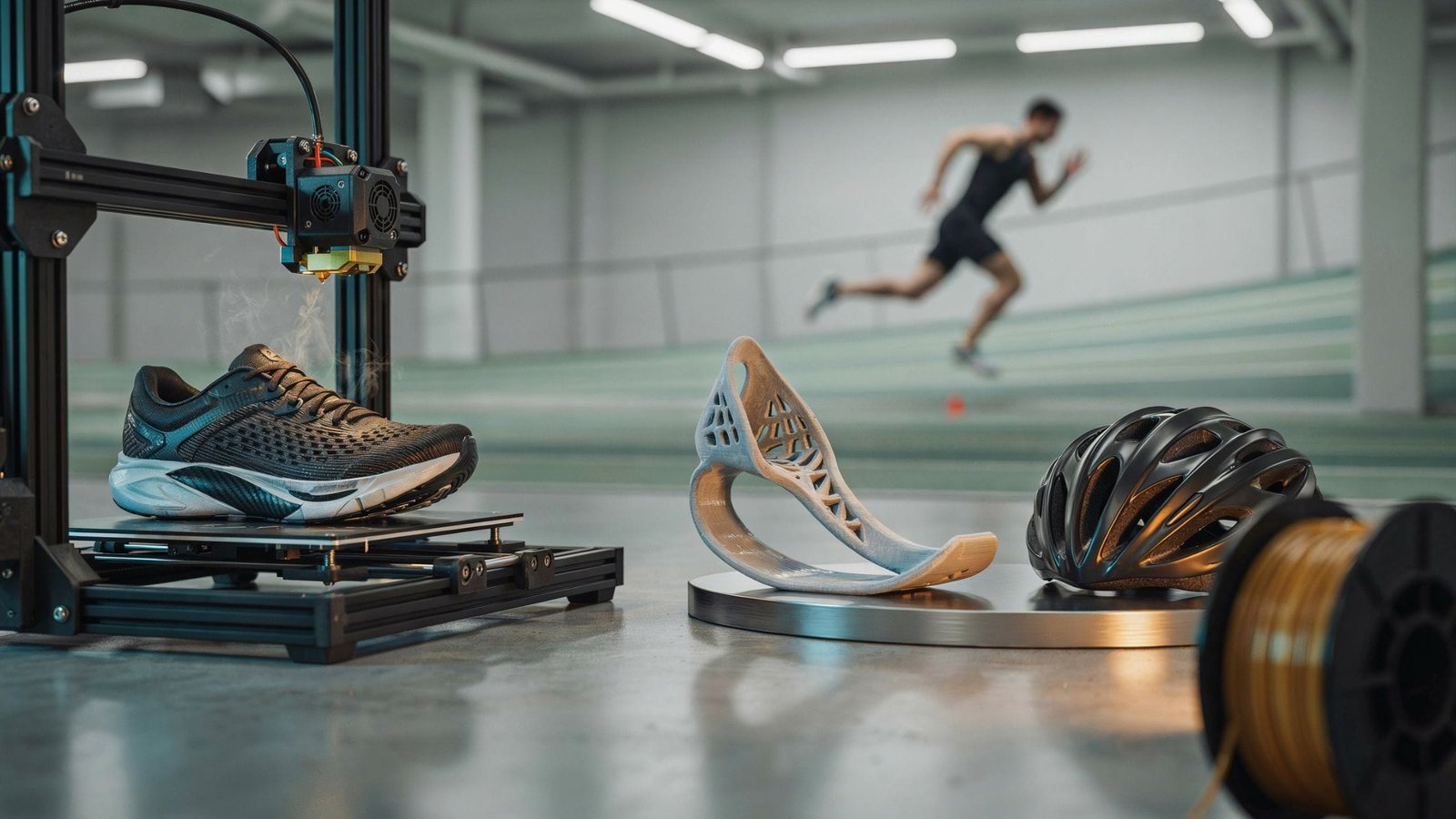
The future of 3D printing in sports points toward continued materials innovation, with manufacturers exploring stronger, lighter composites to push equipment performance further. Integration with AI and IoT will result in smart equipment that offers real-time performance feedback and adaptability.
Potential Challenges and Solutions
Challenges such as material limitations and durability must be addressed through ongoing research and development. Additionally, regulatory and standardization issues need to be resolved to ensure the safety and effectiveness of 3D-printed sports equipment. Collaboration among manufacturers, regulators, and sports organizations will be key to overcoming these obstacles and driving innovation in the industry.
Conclusion
3D printing is revolutionizing the sports industry with customized, high-performance equipment. Despite challenges, ongoing advancements and collaborations promise a future where 3D-printed sports gear enhances athlete performance and safety, making it a vital technology in the evolution of sports.
Frequently Asked Questions
How is 3D printing used in sports?
3D printing creates custom-fit footwear, protective gear, and performance components tailored to an athlete’s body and movement data. Adidas commercialized this in 2026 with 3D-printed basketball shoes and soccer cleats under Project R.A.P.
What are the benefits of 3D-printed sports equipment?
It allows full customization to an athlete’s exact measurements along with faster prototyping and lighter, more efficient designs. This can improve comfort, performance, and injury prevention over standard gear.
Which brands are using 3D printing in sports equipment?
Adidas and Nike are the leading brands, with Adidas launching the 3D-printed BB.01 basketball shoe and soccer cleats via Project R.A.P. Nike has partnered with Zellerfeld to 3D-print sneakers like the Air Max 1000.
Is 3D-printed sports equipment safe?
It goes through the same performance and safety testing as traditional gear, often using athlete-specific data to improve fit. Industry-wide standardization for 3D-printed equipment is still evolving.
What sports use 3D-printed equipment the most?
Football/soccer and basketball currently lead with commercial products from Adidas. Cycling, running, and winter sports use 3D printing mostly for custom components at the prototyping or performance-athlete level.