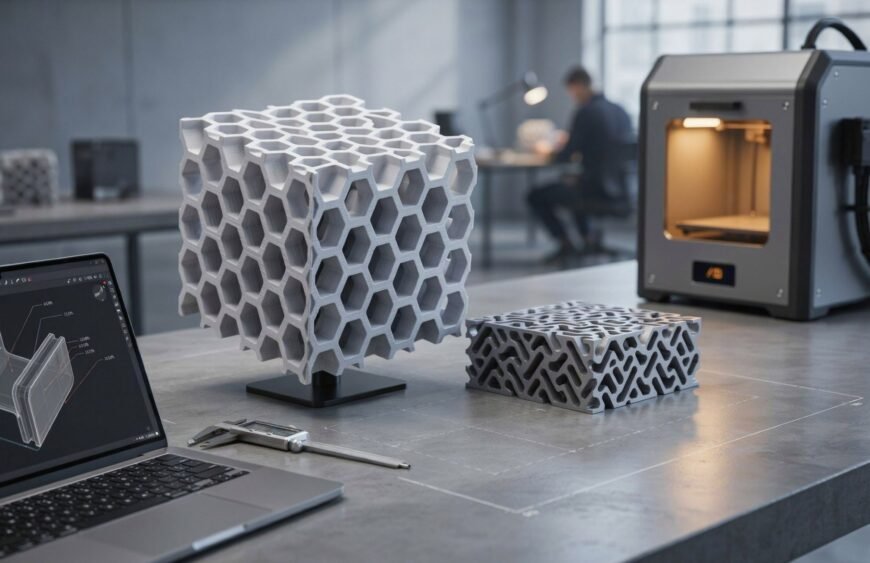
To design hollow structures for industrial 3D printing, choose the print technology first, give the part enough wall strength, add drain or escape openings for trapped material, and plan post-processing early. Review the design with a manufacturing expert before printing so the hollow geometry prints cleanly and performs as intended.
What Are Hollow Structures in Industrial 3D Printing?
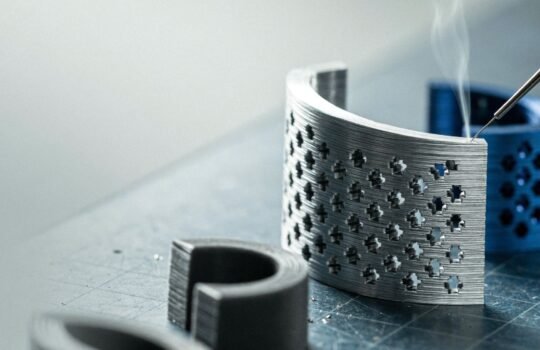
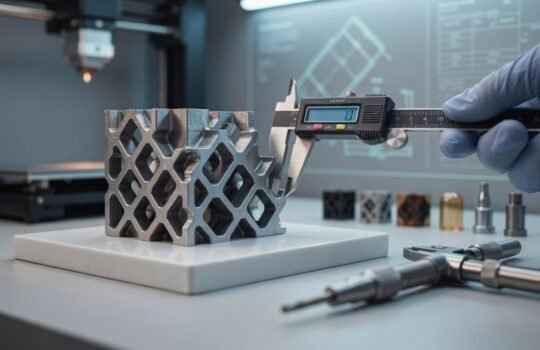
A hollow structure is a part with an internal cavity instead of a solid core. The cavity can be fully enclosed, open on one side, or connected to the outside through small channels.
Hollow design is a core part of design for 3D printing. Unlike machining, which cuts material away from a block, additive processes build layer by layer, so internal voids are possible without extra assembly steps.
Why Design Hollow Parts?
Hollow parts are popular in industrial work because they can:
- Reduce part weight, which matters in aerospace, automotive and robotics.
- Use less material than a solid version.
- Combine several features into one printed part.
- Make lightweight 3D printed parts for housings, enclosures and fixtures.
The trade-off is that hollow geometry needs more planning. A cavity that looks fine in CAD can trap material or fail to print cleanly.
How Do You Design a Hollow Structure Step by Step?
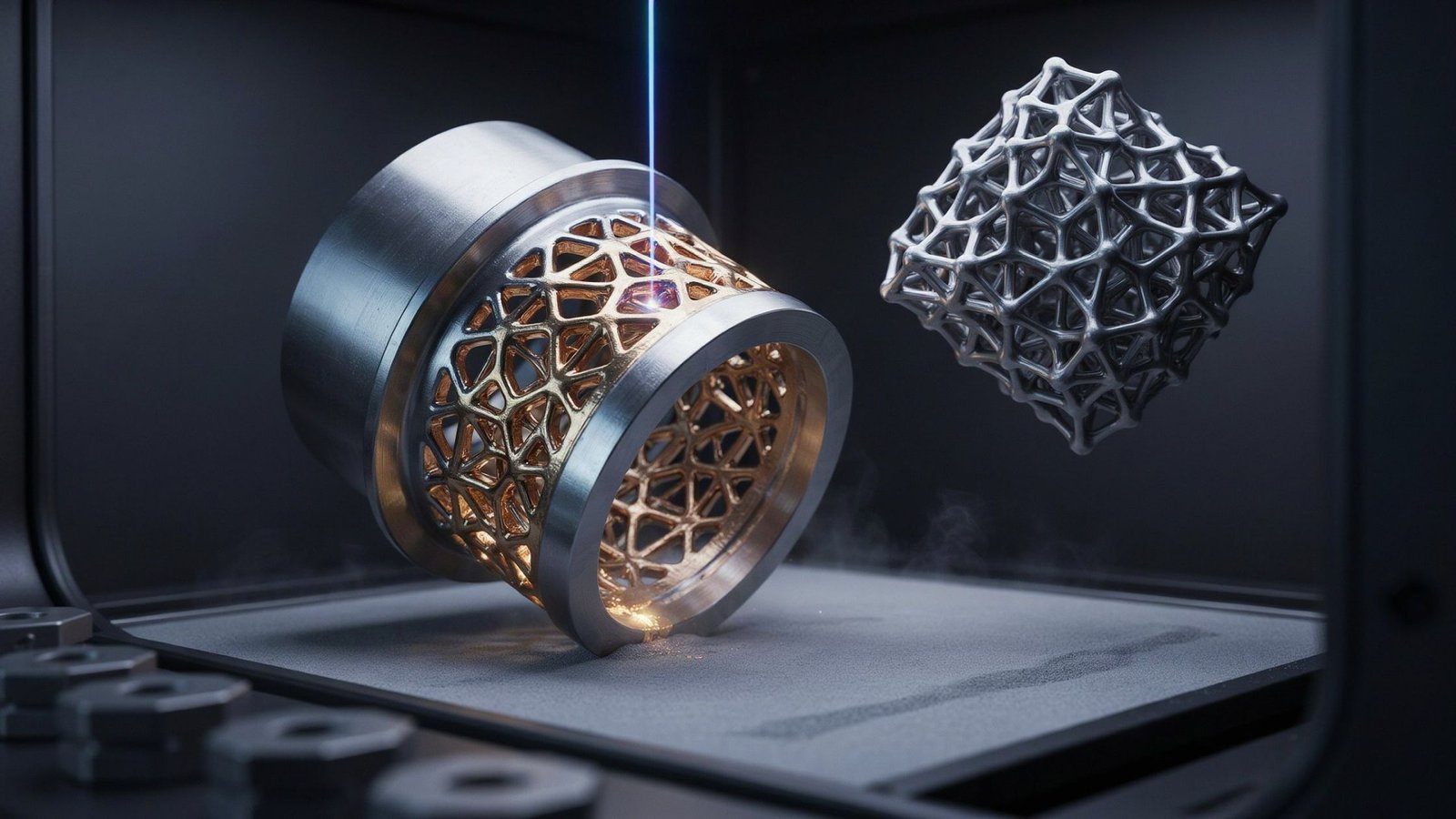
1. What must the part do?
Start with function. Will the part carry a load, protect electronics, or serve as a visual model? A prototype for fit-checking has different needs from a functional part. Your answer decides how much strength the walls need and how much of the interior can be removed.
2. Which 3D printing technology suits the geometry?
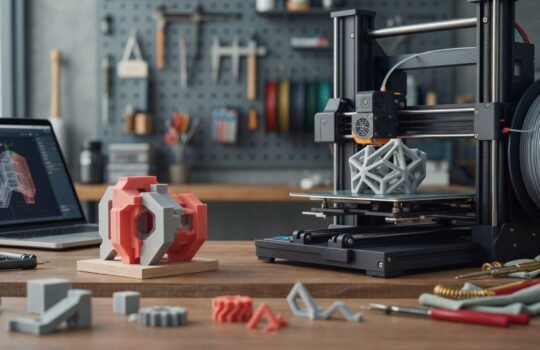
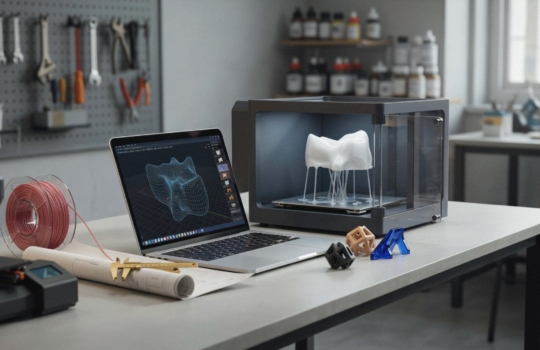
Technologies handle internal cavities differently. Tesseract offers FDM, SLA, DMLS, DLP, PolyJet and MultiJet Printing, plus SLS 3D printing, so one provider can match the process to your part. Choose based on material, size, level of detail and how the part will be used. Deciding this early prevents redesign later.
3. How should you plan wall strength?
Hollow parts depend on their walls, so keep wall thickness consistent where possible and avoid sudden changes between thick and thin sections. Add rounded internal corners and ribs in areas that carry load. Exact wall values depend on the material and process, so confirm them with your printing partner before finalising the file.
4. Do hollow parts need drain or escape holes?
In most cases, yes. A fully sealed cavity can trap leftover material from the print process. Adding at least one opening lets that material escape. Place openings where they won’t hurt appearance or function, and consider whether they can be sealed or plugged afterwards. Keep the hole sizing as a question for your DFM review.
5. What post-processing will the part need?
Plan finishing before you finalise the design. Cleaning out cavities, smoothing surfaces and sealing openings all affect how the part should be built. Tesseract lists post-processing as a service, so finishing can be planned alongside printing.
Why Does DFM Review Matter for Hollow Parts?
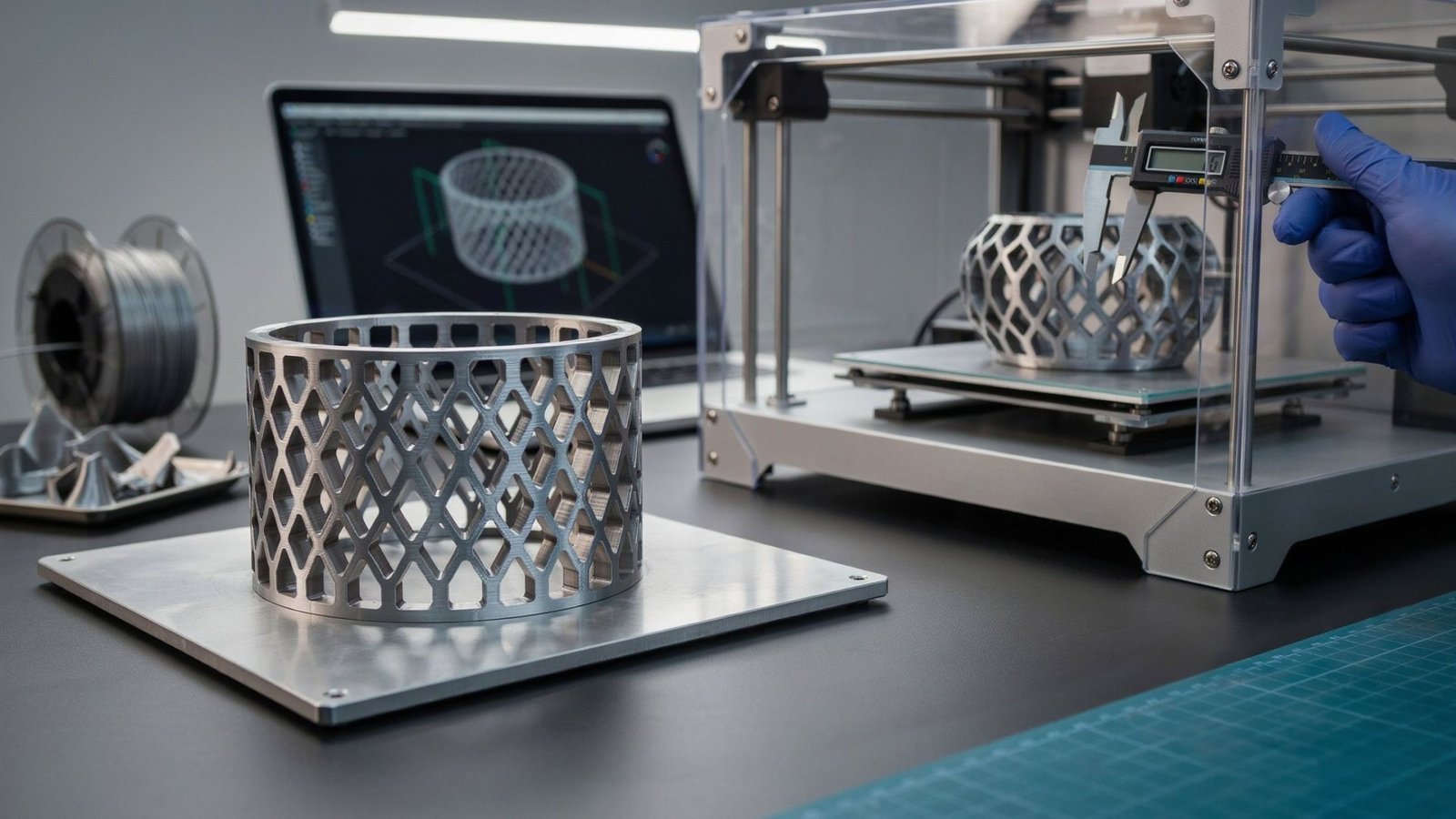
Hollow geometry is where small design mistakes become expensive. A thin wall, a blocked cavity or a missing opening can mean a failed print and lost time.
Tesseract lists DFM problem solving and consulting among its strengths, which means an engineer can review your file before printing. That review is especially useful when the part is complex, the application is critical, or you’re moving from prototype to production.
Which File Formats Can You Submit?
For a quote on a hollow design, Tesseract accepts STL, STEP, STP, IGES and OBJ files, plus PNG and JPEG images, up to 25MB. If you only have a sketch or a physical part, the company also offers 3D CAD modelling, reverse engineering and 3D scanning.
Conclusion
Good hollow design comes down to five things: define the function, choose the right technology, keep walls consistent, add escape openings, and plan finishing. A DFM review catches problems before they cost you a print.
Ready to start? Share your file for a free instant quote, or work with the team on product designing services to refine your hollow structure before production.
Frequently Asked Questions
What is a hollow structure in 3D printing?
A hollow structure is a printed part with an empty internal cavity instead of a solid core. The cavity can be open or enclosed. Hollow designs reduce weight and material use, but they need careful planning for walls, openings and finishing.
Why do hollow 3D printed parts need drain holes?
Enclosed cavities can trap leftover material from the printing process. A drain or escape hole lets that material leave the part. Without one, the cavity may stay blocked, which can affect weight, appearance or performance. Your DFM review should confirm placement and size.
Which 3D printing technology is best for hollow parts?
There is no single best option. The right choice depends on material, part size, detail and end use. Tesseract offers FDM, SLA, SLS, DMLS, DLP, PolyJet and MJP, so a DFM review can match your hollow design to the most suitable process.
Can Tesseract help if I only have a sketch?
Yes. Tesseract offers 3D CAD modelling, reverse engineering and 2D to 3D conversion. Its design team can turn sketches and concepts into production-ready 3D models, which you can then plan as hollow structures with DFM guidance before printing.
How long does industrial 3D printing take?
According to Tesseract, most projects are completed within 2-7 days, depending on complexity and the technology needed. Expedited services are available for urgent deadlines. Hollow or complex geometry may need extra design review time, so share your timeline when requesting a quote.