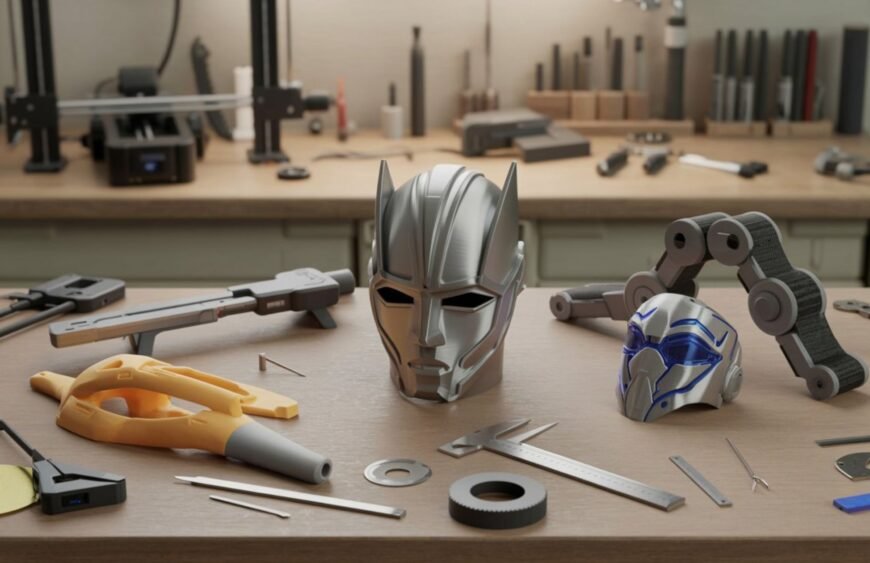
Making detailed props requires choosing the right 3D printing material. Not all materials deliver the same level of detail or durability. Different materials offer different advantages. Some are perfect for intricate details. Others work better for functional props. This guide compares the top 3D printing materials for prop making so you can make the best choice for your next project.
Why Material Selection Matters for Prop Making?
Material choice directly impacts three critical factors: detail quality, durability, and finishing ease. High-quality materials capture fine details better. They resist breaking during handling. They also accept paint and weathering effects more effectively. Choosing the wrong material wastes time and money. The right material makes your prop-making journey smoother and your results professional.
The Best 3D Printing Materials for Prop Making
Resin: Best for Ultra-Fine Details
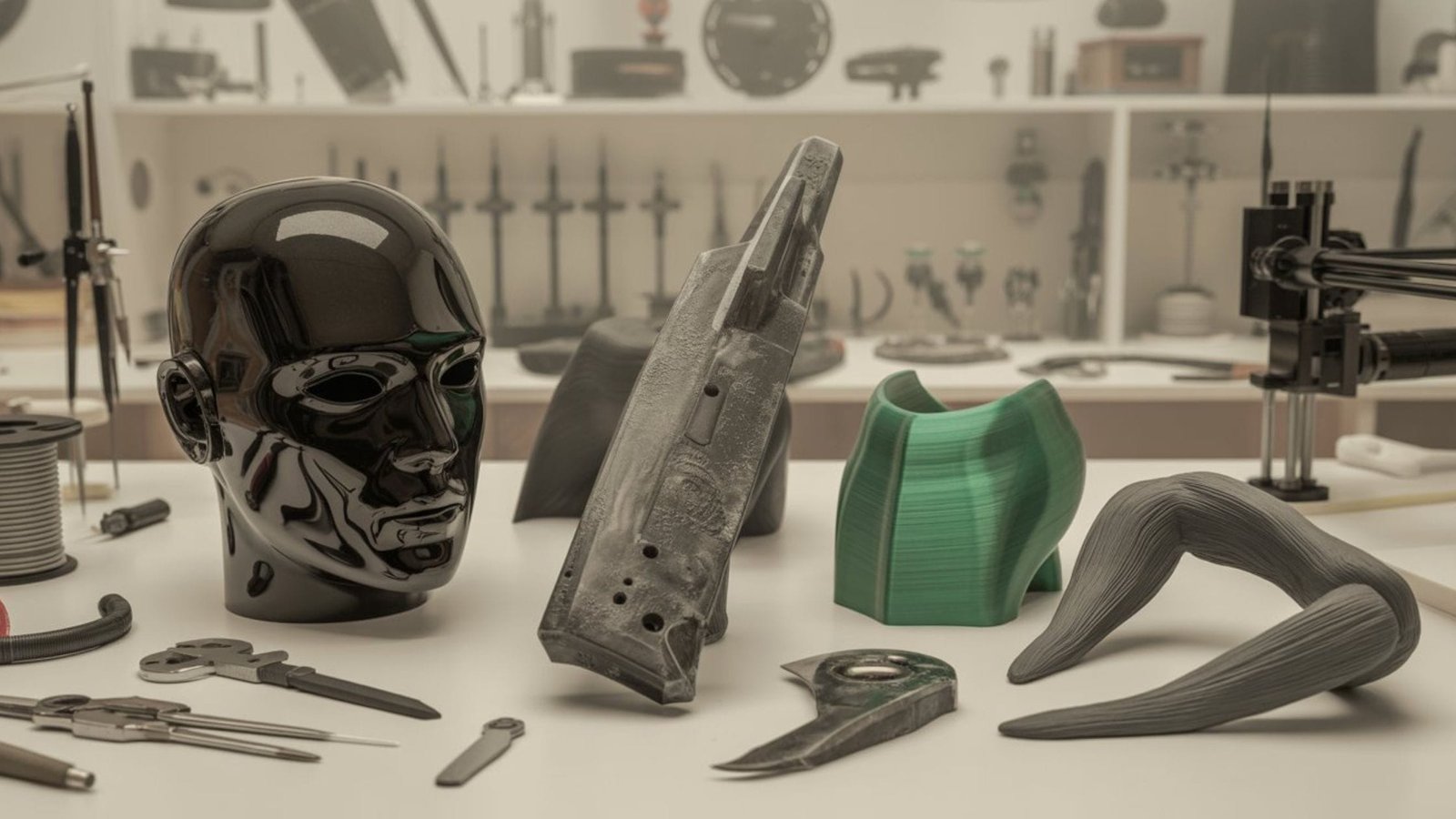
Resin is the gold standard for detailed prop making. It captures crisp edges and incredibly smooth surfaces. Professional prop makers choose resin for showcase pieces and display props. Resin prints have superior detail compared to filament-based printing. The finish requires minimal sanding. Paint adheres excellently to resin surfaces.
The downside? Resin requires safety precautions and proper ventilation. It has a steeper learning curve. Resin costs more than PLA or PETG. If detail is your priority, resin delivers results that justify the investment.
PLA: Best Budget-Friendly Option
PLA is the most accessible material for beginners. It’s affordable and easy to use. Detail quality is good for mid-range projects. You can sand PLA smooth and paint it easily. PLA doesn’t require special safety equipment.
However, PLA is less durable than PETG. It can warp if exposed to heat. Fine details may not capture as crisply as resin. For hobbyists and beginners, PLA offers tremendous value and reasonable detail quality.
PETG: Best for Durable Props
PETG combines strength with decent detail capability. It’s more durable than PLA and won’t crack easily. PETG handles stress and impact better. It’s ideal for functional cosplay pieces you’ll wear multiple times. The detail level is good, though not as fine as resin.
PETG costs more than PLA but less than resin. It requires a bit more printer calibration skill. Once you master it, PETG produces reliable, long-lasting props perfect for cosplay.
Nylon: Best for Flexible Props
Nylon is unique because it’s flexible. It bends without breaking. This makes nylon perfect for articulated limbs or bendable costume elements. Nylon resists impacts and lasts a long time. The detail level is fair compared to other materials.
Nylon isn’t ideal for rigid, detailed props. It’s harder to paint. Use nylon specifically for wearable components that need flexibility.
Quick Comparison: Material Selection Guide
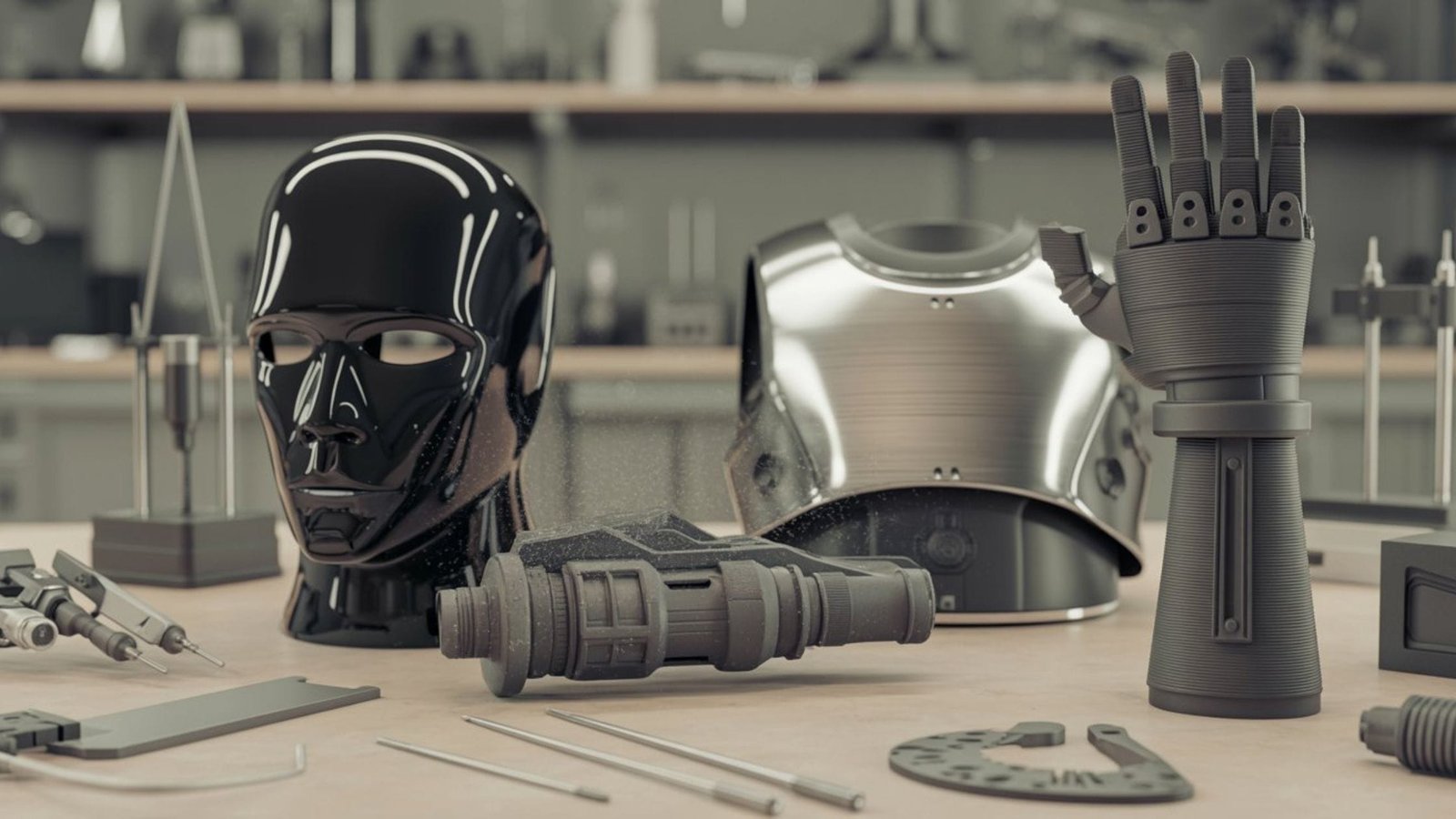
For Display Showcase Props: Choose Resin. Ultra-fine details and smooth finishes are unmatched.
For Beginner Projects: Choose PLA. Affordable, forgiving, and delivers decent results.
For Wearable Cosplay Props: Choose PETG. Durability and strength handle repeated use.
For Flexible Costume Parts: Choose Nylon. Flexibility without compromising durability.
Frequently Asked Questions
What 3D printing material is best for detailed props?
Resin delivers the best details. It captures crisp edges and smooth surfaces that PLA and PETG cannot match. However, if you’re a beginner, start with PLA and graduate to resin as you gain experience.
Can I use PLA for realistic prop making?
Yes. PLA works well for props and is affordable. The detail quality is good, though not as fine as resin. PLA is perfect for learning prop making fundamentals.
Which material is most durable for cosplay props?
PETG is the most durable option. It resists impacts and won’t crack easily from handling. If you wear your cosplay props regularly, PETG is your best choice.
How do I choose between resin and filament for props?
Choose resin for showcase props needing fine details. Choose filament (PLA or PETG) for wearable cosplay props needing durability and easier handling.
Is nylon good for 3D printing props?
Nylon works for flexible props like articulated fingers or bendable armor pieces. It’s less suitable for rigid detailed props. Use nylon strategically within mixed-material prop designs.
What’s the cheapest material for prop making?
PLA is the most affordable. It costs significantly less than resin while still delivering decent detail quality for most prop projects.
Do prop materials need post-processing?
Yes. Most materials benefit from sanding, priming, and painting. This enhances the final appearance regardless of your material choice. Post-processing separates amateur props from professional-looking results.
Can beginners 3D print detailed props?
Absolutely. Start with PLA. It’s forgiving and easy to handle. As you gain experience, experiment with PETG for durability or resin for finer details.
Final Thoughts
The best 3D printing material for your props depends on three factors: your detail requirements, durability needs, and budget constraints.
Choose resin if you need ultra-fine details for display props. Choose PLA if you’re starting out and want affordability with decent results. Choose PETG if durability matters most for cosplay pieces you’ll wear repeatedly. Choose nylon only for flexible prop components.
Start with the material matching your experience level. Master one before trying another. Your prop quality will improve as your material knowledge grows. Whether you’re creating cosplay armor, movie-accurate weapons, or display pieces, the right material choice sets you up for success.
Ready to start your prop project? Download our free material selection guide to find the perfect material for your next creation.