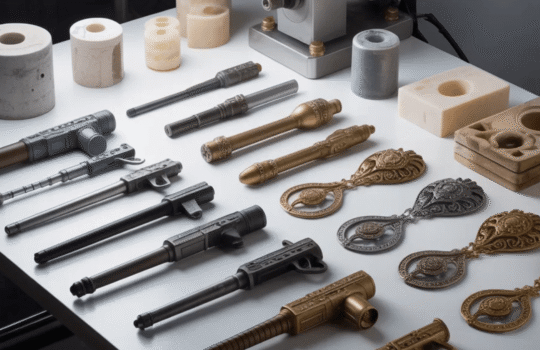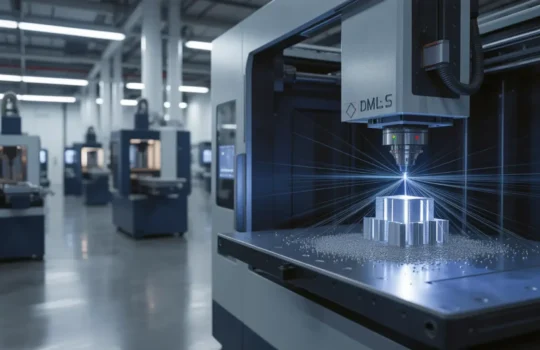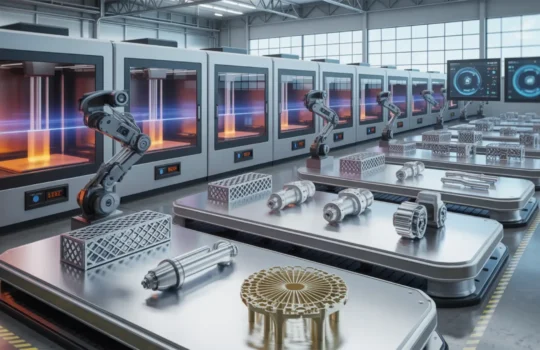
Metal 3D printing has moved from prototyping into full-scale production. Industries such as aerospace, automotive, and healthcare now rely on it to create strong, lightweight, and complex parts. The choice of material is critical. It determines the strength, durability, cost, and overall performance of the printed part.
In this blog, we highlight the most widely used materials for metal 3D printing and explain where each works best.
Common Materials in Metal 3D Printing
Stainless Steel
Stainless steel is one of the most widely used metals for 3D printing. It offers strength, corrosion resistance, and affordability. You often see it used in tooling, functional prototypes, and end-use parts.
Titanium Alloys
Titanium is known for its high strength-to-weight ratio. It is also biocompatible, making it ideal for medical implants. Aerospace companies use it in jet engines and structural components where both strength and low weight are essential.
Aluminum Alloys
Aluminum is light, conductive, and relatively easy to print. It works well for automotive parts, heat exchangers, and consumer electronics. While not as strong as titanium, aluminum’s low weight makes it attractive for parts that need efficiency.
Nickel Alloys (Inconel)
Inconel is valued for its ability to withstand high temperatures and corrosion. It is a go-to material for turbine blades, rocket engines, and parts that need to perform in extreme heat.
Cobalt-Chrome
Cobalt-chrome combines wear resistance with biocompatibility. It is common in dental prosthetics, surgical implants, and parts exposed to friction or wear.
Precious Metals (Gold, Silver, Platinum)
Gold, silver, and platinum are used for specialized applications such as jewelry, luxury goods, and electronics. They are expensive, so careful design and waste reduction are important when working with them.
How to Select the Right Metal for 3D Printing
- Define project goals such as strength, weight reduction, corrosion resistance, thermal performance, or biocompatibility
- Match metals to applications: titanium for implants and aerospace, Inconel for turbines and high-heat parts, aluminum for automotive and consumer goods, stainless steel for tooling and general use, cobalt-chrome for dental and wear-resistant parts
- Check material availability and cost, since powders like titanium and precious metals are more expensive
- Review printability factors, as some alloys need preheating, inert gas environments, or tighter process control
- Plan for post-processing steps including heat treatment, machining, polishing, or coating to achieve the final properties
- Consider certification and standards compliance if printing for aerospace, medical, or industrial applications
- Evaluate part design to minimize supports and reduce waste, which lowers cost and print time
Best Practices in Metal 3D Printing Material Use
- Evaluate Mechanical Requirements: Always check for tensile strength, hardness, fatigue resistance, and ductility. These properties determine if the material is a good match for the job.
- Optimize for Printability: Not every alloy prints the same way. Some need preheating, controlled atmospheres, or slower print speeds. The quality of the metal powder is just as important. Poor powder leads to defects in the final part.
- Control Costs: Metal powders can be expensive, especially titanium and precious metals. To manage costs, design parts that use less material and reduce support structures.
- Plan Post-Processing: 3D printed metal parts almost always need finishing. Expect to remove supports, apply heat treatments, and perform surface finishing. Planning this step early saves both time and cost later.
Emerging Trends in Metal 3D Printing Materials
The field is evolving quickly. Researchers are experimenting with high-entropy alloys that combine multiple metals for new properties. Recycled powders are gaining attention as a way to improve sustainability and reduce costs. Another focus is improving powder quality to reduce porosity and increase part reliability. These advances will make metal 3D printing more efficient and widely adopted.
Conclusion
The success of metal 3D printing depends on selecting the right material. Stainless steel, titanium, aluminum, nickel alloys, cobalt-chrome, and even precious metals each have unique strengths and uses. The key is to match your material to your application, while considering cost, printability, and post-processing needs. By following best practices and staying aware of new trends, you can get the most from metal 3D printing and ensure high-quality results.