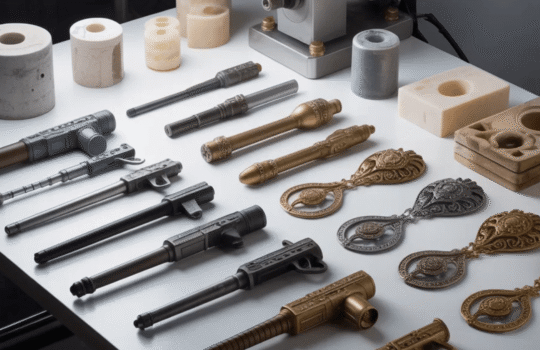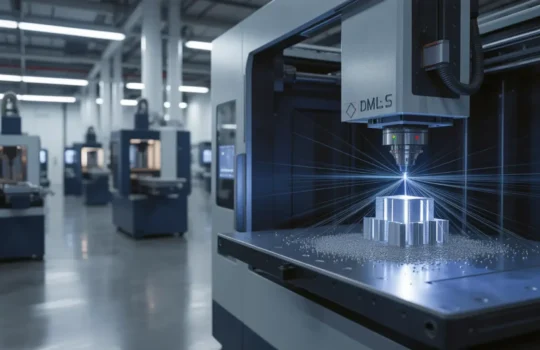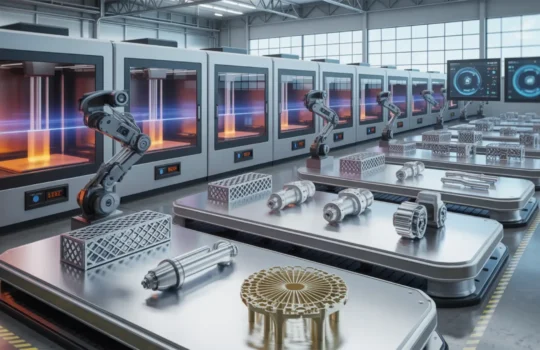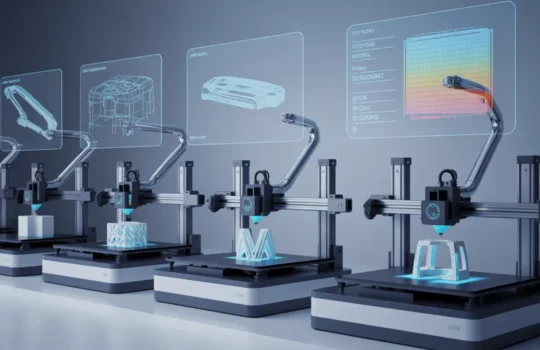
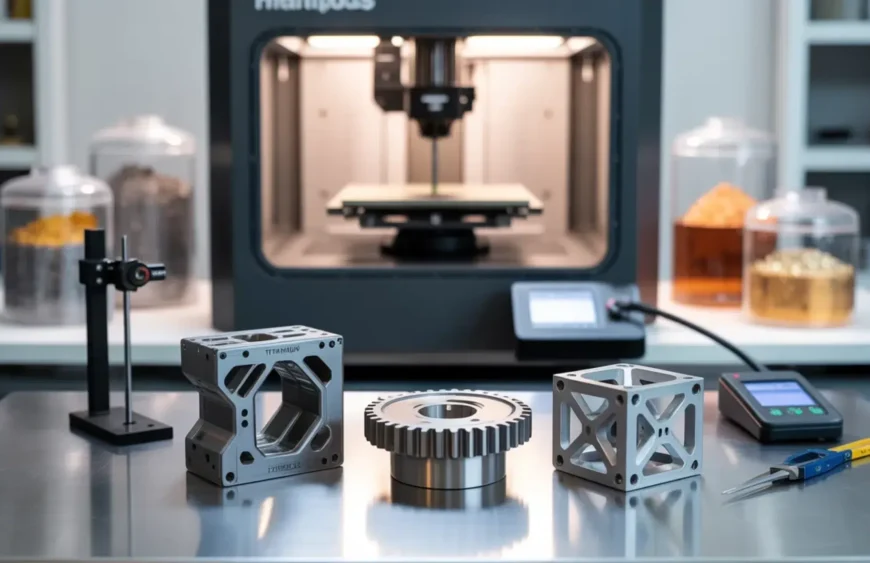
Metal 3D printing has transformed manufacturing. But here’s what matters most: the material you choose directly determines whether your part succeeds or fails under stress. Not all metals perform the same way. Titanium is strong but expensive. Aluminum prints faster but is weaker. Stainless steel balances both. Understanding these tradeoffs helps you make smarter decisions for your projects.
In this guide, we’ll explore which metals work best for different applications. You’ll discover the exact strength metrics, cost comparisons, and best use cases. By the end, you’ll know exactly which material to choose for your next metal 3D printing project.
Why Material Matters in Metal 3D Printing
Your material choice isn’t just about cost. It’s about performance and reliability.
Different metals have different strengths. Some materials handle extreme stress better. Others are lighter or more affordable. Some are easier to print. Each metal has unique thermal properties that affect how it behaves during the printing process.
The metal you select determines tensile strength, the maximum stress a material can handle before breaking. It also affects density, which impacts the weight-to-strength ratio. Thermal properties influence print quality and how quickly layers cool. Finally, cost varies significantly across metal types.
Matching the right material to your application prevents costly failures. An aerospace component needs maximum strength. A prototype might prioritize cost. An industrial tool requires corrosion resistance. The decision depends entirely on your specific needs.
Best Materials for Metal 3D Printing Strength
Titanium Alloys: Maximum Strength
The Facts:
- Tensile Strength: 1,160 MPa (highest)
- Density: Low (lightweight)
- Best For: Aerospace, medical implants, high-performance engines
- Cost: ₹₹₹₹ (Most expensive)
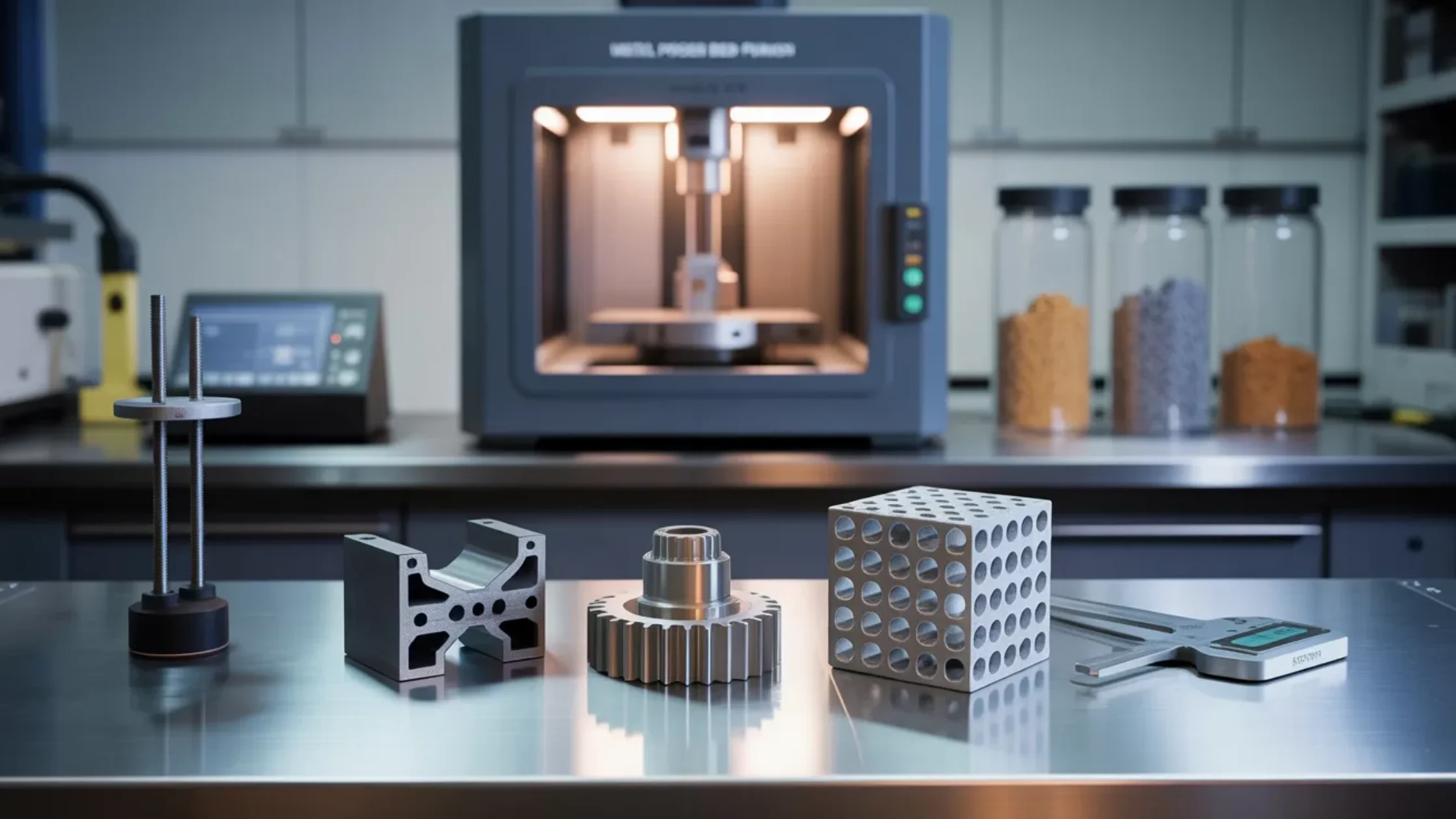
Titanium is the strongest metal for 3D printing. It’s lightweight yet incredibly durable. It resists heat and corrosion exceptionally well. These properties make it ideal for aerospace companies building aircraft components. Medical professionals use titanium for implants because it is biocompatible, the body accepts it naturally.
The drawback? Titanium is expensive. It also requires precise printing conditions. Higher temperatures, slower print speeds, and careful cooling are necessary. Post-processing is more complex. However, when strength is critical, titanium delivers unmatched performance.
Stainless Steel: The Balanced Choice
The Facts:
- Tensile Strength: 515 MPa (moderate-high)
- Density: Medium
- Best For: Tools, engines, industrial parts, medical devices
- Cost: ₹₹ (Moderate)
Stainless steel is reliable and cost-effective. It resists corrosion better than most metals, making it perfect for harsh environments. Manufacturers use it for functional parts that endure repeated stress. It’s easier to print than titanium, reducing production time and complexity.
Stainless steel offers the best strength-to-cost ratio for most industrial applications. You get reliable performance without breaking the budget. It handles heat well and maintains strength at elevated temperatures. For production parts that need durability without premium pricing, stainless steel is the go-to choice.
Aluminum Alloys: Speed and Affordability
The Facts:
- Tensile Strength: 350 MPa (lowest option)
- Density: Very low (lightest)
- Best For: Lightweight prototypes, aerospace components, consumer products
- Cost: ₹ (Least expensive)
Aluminum prints fast and costs significantly less. It’s perfect for lightweight designs where weight reduction matters. Use aluminum when you need prototypes quickly or when the budget is tight. It’s ideal for non-critical applications where extreme strength isn’t required.
The weakness? Aluminum is the least strong option. It can’t handle extreme loads or harsh environments. However, for applications where weight matters more than maximum strength, aluminum is the clear winner. Many aerospace designs use aluminum for non-critical components to reduce overall aircraft weight.
How to Choose the Right Material
Ask yourself three critical questions:
First: What loads will the part experience? If it faces high stress, extreme temperatures, heavy loads, repeated impact, choose titanium or stainless steel. For lightweight designs with moderate stress, aluminum works fine.
Second: What’s your budget? Limited budget? Aluminum is your answer. Mid-range budget? Stainless steel offers excellent value. Premium budget? Titanium delivers maximum performance.
Third: What’s your timeline? Need it fast? Aluminum prints quickest. Can you wait? Titanium delivers superior results worth the extra time. Stainless steel falls in the middle for speed.
Match these answers to material properties. The best material balances strength, cost, and printability for your specific application.
Frequently Asked Questions
Which metal is strongest for 3D printing?
Titanium alloys offer the highest strength at 1,160 MPa. However, stainless steel provides an excellent strength-to-cost balance for most industrial applications.
What affects metal strength in 3D printing?
Material composition, printing temperature, cooling rate, layer orientation, and post-processing all significantly impact final part strength. Professional settings optimize each variable.
Can 3D printed metal be as strong as forged metal?
Yes. When properly printed and heat-treated, 3D printed metals match or exceed forged strength. Some aerospace parts certified by regulators meet or exceed traditional manufacturing specifications.
Is aluminum 3D printing strong enough for production parts?
Aluminum works excellently for lightweight, non-critical parts. For high-stress applications, stainless steel or titanium are better choice.
Conclusion
Material choice is the foundation of strong metal 3D printed parts. Titanium offers maximum strength for critical applications. Stainless steel provides the best balance of strength and cost. Aluminum prioritizes speed and affordability.
Understanding these tradeoffs helps you make smarter engineering decisions. Your application’s specific demands should guide your material selection. When you match the right material to the right job, your prints perform better and last longer.
Ready to optimize your metal prints? Understanding material properties is your first step toward manufacturing excellence in 3D printing.