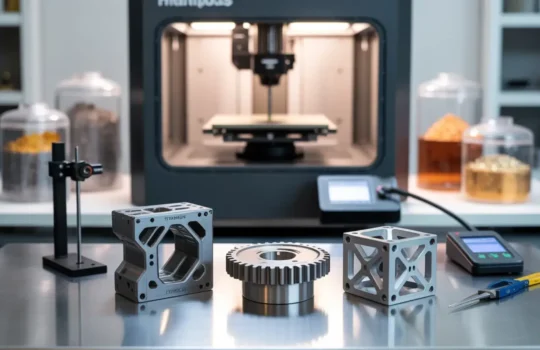
A single broken prop can shut down an entire shoot.
When a TV series runs for multiple episodes, production teams need more than one copy of every key prop. They need fifteen. Sometimes twenty. And every single one must look the same.
That’s a serious challenge. Fortunately, vacuum casting services are built to solve it.
In this blog, we break down how vacuum casting works, why it’s the go-to choice for prop replication, and what makes it one of the smartest manufacturing decisions a production team can make in 2026.
What Is Vacuum Casting?
Vacuum casting is a process that creates precise, high-quality copies of an original model.
It works like this: a silicone mold is formed around a master model. Liquid resin is poured into that mold inside a vacuum chamber, which pulls out any trapped air. What comes out is a clean, detailed, bubble-free replica. Every single time.
A single silicone mold can produce 20 to 25 identical copies before it needs replacing. For TV productions, that’s a real game-changer.
Can Vacuum Casting Produce Identical Props at Scale?
Absolutely. The consistency is what sets it apart.
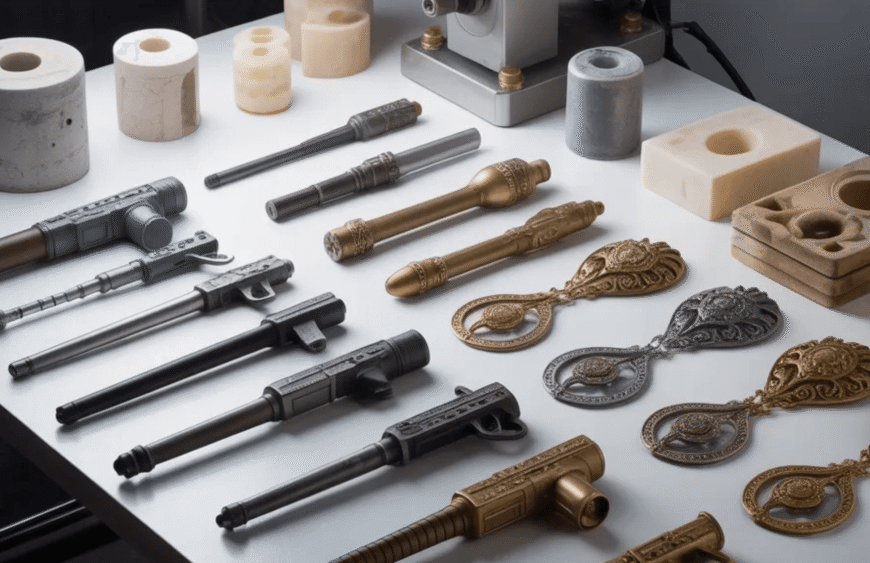
Every cast copy captures the exact texture, color depth, and fine surface details of the original. A futuristic rifle. A branded coffee mug. A glowing device. Each duplicate is indistinguishable from the last.
For episodic TV, prop continuity isn’t just important. It’s non-negotiable. A mismatched prop between scenes is the kind of error viewers notice immediately. Vacuum casting services remove that risk entirely by locking every replica to the same precise standard.
Why TV Productions Trust Vacuum Casting Services
It’s not just about accuracy. It’s about everything that surrounds it:
- Speed: Professional batches are ready within 5 to 10 business days
- Affordability: No heavy tooling costs like injection molding requires
- Versatility: Props can be matte, glossy, transparent, or fully painted
- Actor safety: Softer resin options create stunt-safe duplicates for action scenes
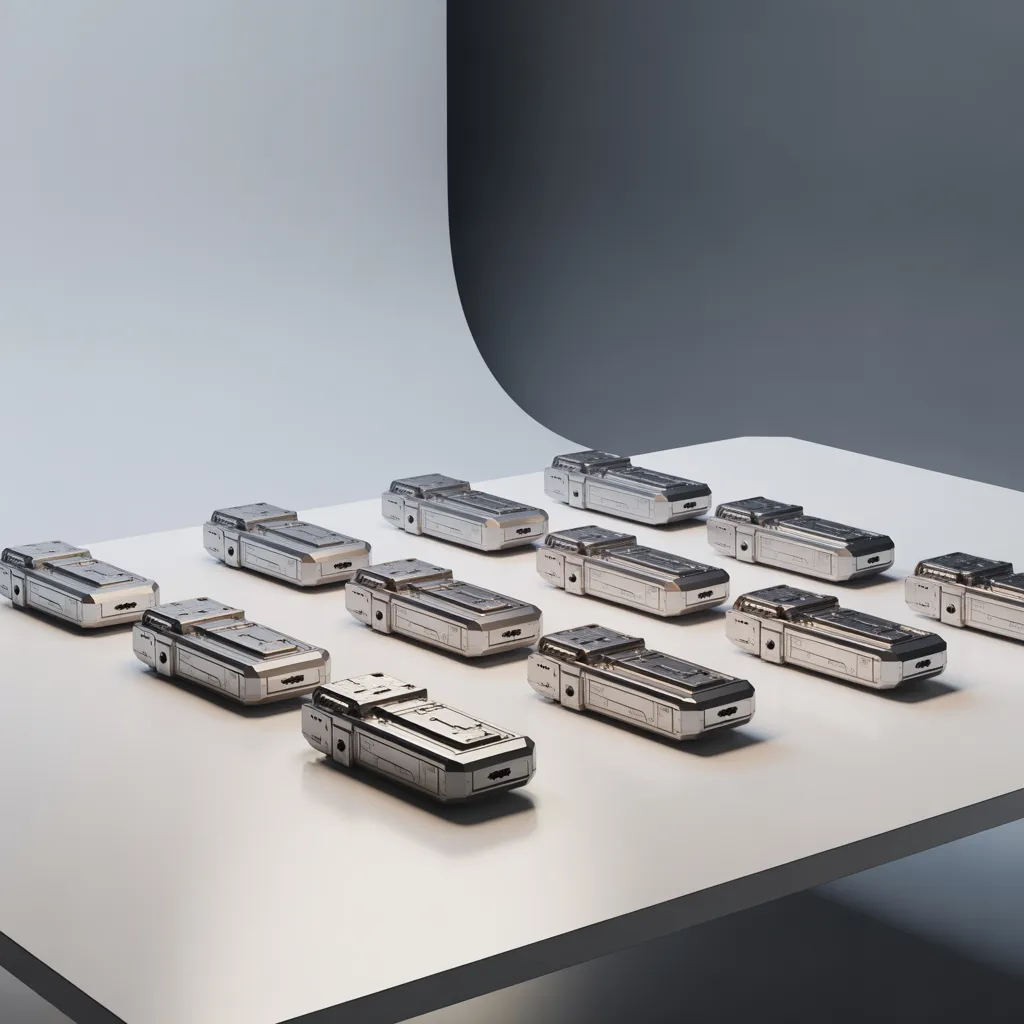
- Right-sized batches: Perfect for TV’s typical volume of 10 to 25 pieces
When a production shoots 10 episodes across multiple locations, having 20 identical hero props ready from day one keeps everything running without costly delays.
Vacuum Casting vs. Other Prop Replication Methods
| Method | Speed | Cost | Accuracy | Best For |
| Vacuum Casting | Fast | Low to Medium | High | TV props, mid-volume runs |
| Injection Molding | Slow | High | Very High | Mass manufacturing |
| FDM 3D Printing | Medium | Low | Medium | Single prototypes |
For TV prop teams, vacuum casting hits the sweet spot. High detail, fast delivery, and a budget that actually makes sense. It also works seamlessly alongside 3D printed master models, making it a truly modern end-to-end workflow.
Step-by-Step: How Vacuum Casting Services Work for Props
- Design or 3D print the master prop model
- Cast a silicone mold around the master
- Pour liquid resin into the mold inside a vacuum chamber
- Vacuum removes air, ensuring a flawless, bubble-free cast
- Demold and finish: paint, texture, or assemble as needed
- Repeat until the full batch is complete
Every step is controlled, repeatable, and consistent. That’s exactly the reliability prop departments depend on.
What Materials Work Best for TV Props?
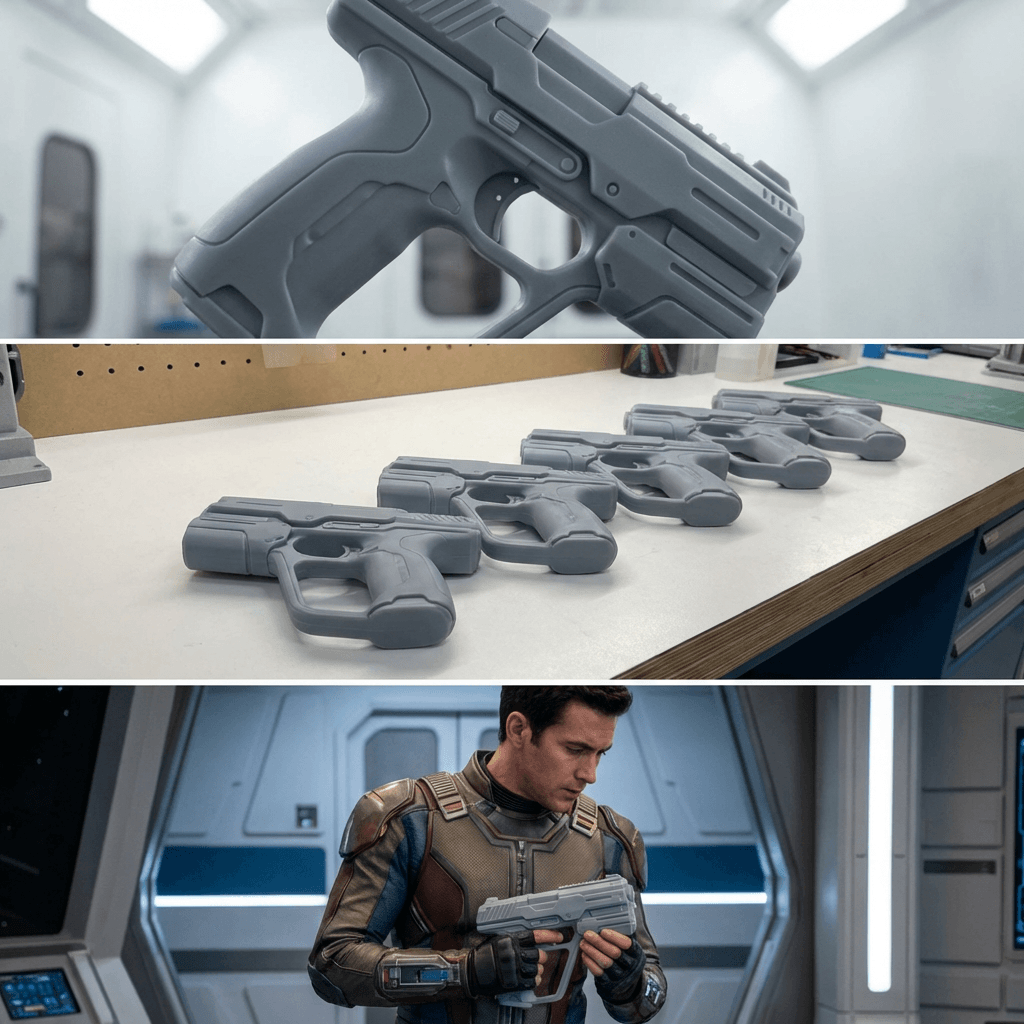
Choosing the right resin makes all the difference on set:
- Rigid polyurethane: Ideal for weapons, tech devices, and hard props
- Flexible polyurethane: Perfect for wearables, costume pieces, or props that bend
- Transparent resins: For realistic glass effects, crystals, or backlit screens
- Pigmented resins: For color-matched duplicates that need zero post-painting
Experienced vacuum casting services will guide material selection based on how and where the prop will be used on set.
FAQs
1. How many copies can vacuum casting produce from one mold?
A single silicone mold typically yields 20 to 25 high-quality copies before it needs to be replaced.
2. Is vacuum casting suitable for fragile or complex TV props?
Yes. Flexible resin formulas allow even intricate or delicate designs to be cast cleanly and used on set without damage.
3. How quickly can vacuum casting services deliver a prop batch?
Most professional providers deliver completed batches within 5 to 10 business days, depending on complexity and quantity.
4. Can vacuum casting match exact prop colors across every copy?
Absolutely. Pigments are blended directly into the resin before casting, so color stays consistent across every single piece.
5. Should I use vacuum casting or 3D printing for TV props?
Use 3D printing to create your master model. Use vacuum casting to replicate it. Together, they form the most efficient prop production workflow available today.
Conclusion
Vacuum casting services give TV productions exactly what they need: speed, precision, and consistency at a cost that works.
Whether you’re duplicating hero props, stunt pieces, or background items, vacuum casting ensures every copy meets the same high standard. No variation. No delays. No continuity errors.
As productions grow more demanding in 2026, vacuum casting remains one of the most dependable and accessible manufacturing solutions in the industry. If your next series needs identical props at scale, this is where to start.